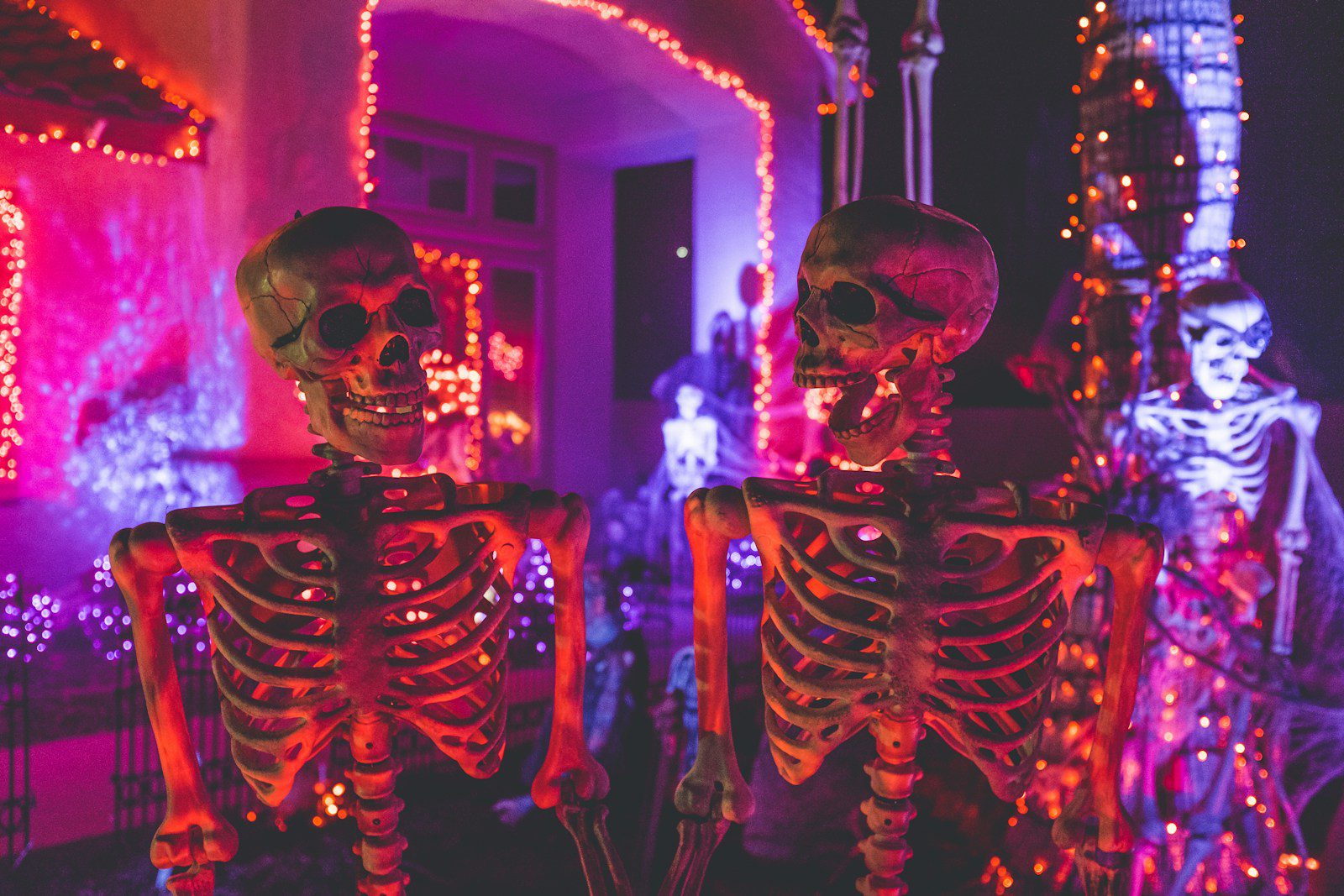
Nearly a quarter of Halloween shoppers now say they buy at least some of their decorations secondhand rather than pulling a fresh haul off a big-box shelf, and the number climbs even higher among younger buyers. That shift shows up in survey data, not just anecdotes traded in a neighborhood group chat, and it lines up with a broader secondhand market that grew by double digits last year. Resale platforms and thrift retailers are both reporting the same pattern from different angles: shoppers who once treated Halloween as a once-a-year excuse to buy everything new are now treating it like any other category worth hunting through used inventory first.
The Survey Data Behind the Shift
Twenty-three percent of consumers say they shop at thrift stores specifically for Halloween decor, a figure that rises to 26 percent among Gen Z and Millennial shoppers, according to survey data released by Goodwill Industries International. Sustainability shows up as a real driver behind that behavior rather than just a budget excuse: 76 percent of adults in the same survey cited environmental impact as a reason they shop secondhand at all, and that number jumps to 84 percent among Gen Z respondents specifically. Costume spending backs up the same story from a different angle, with close to 70 percent of costume shoppers in the survey prioritizing savings over buying new, and nearly two-thirds of Gen Z shoppers saying outright they will not spend much on costumes or materials this season.

Why This Isn’t Just a Costume Story
The instinct to treat Halloween decor like any other secondhand category tracks with what has happened across resale broadly. The U.S. secondhand apparel market alone grew 14 percent year over year in 2024 and is projected to reach $74 billion by 2029, with online resale specifically climbing at roughly 13 percent annually toward a projected $40 billion, according to ThredUp’s annual resale market report. That growth has been driven in large part by shoppers who now check a resale app or a thrift store before a retail chain out of habit, and seasonal decor is following the same behavioral path as clothing did years earlier. Marketplaces like eBay, Poshmark, and Facebook Marketplace all carry active Halloween decor categories year-round, and listings for larger seasonal pieces, animatronics, life-size props, and vintage decor tend to move quickly once October approaches because buyers already know to look there first rather than treating a retail aisle as the default.
Why Animatronics and Larger Props Hold Value Especially Well
Big-ticket seasonal decor behaves differently from a bag of plastic spiders in the resale market. A large animatronic prop or a vintage decoration that a retailer no longer manufactures does not depreciate the way a mass-produced item does, because a shopper who wants that exact piece often cannot simply buy a new equivalent at a chain store. That scarcity is part of why seasonal decor resale draws in buyers who are not primarily motivated by price at all, alongside the much larger group that is. It also explains why thrift-store shopping for decor and costumes clusters so heavily around sustainability concerns in the Goodwill survey data rather than pure bargain-hunting, since a buyer chasing a specific discontinued prop is often willing to pay close to what it would have cost new. Storage and space are part of the calculation too. A family clearing out a garage full of props they no longer put up, or downsizing before a move, has an obvious outlet in a resale app that did not really exist in the same form a decade ago, and that supply keeps the secondhand Halloween category stocked with items a retailer stopped selling years earlier.
What the Trend Line Suggests Going Forward
None of this means big-box retailers are losing Halloween shoppers entirely. Most people decorating for the holiday still buy some items new, and overall Halloween spending keeps climbing year over year. What has changed is the order of operations. A shopper who once went straight to a retail aisle now checks a resale app first, treats a thrift store as a legitimate first stop rather than a backup plan, and increasingly expects to find exactly what they want used before paying full retail for the same thing. That habit, once it forms around one holiday, tends to carry into the next one.