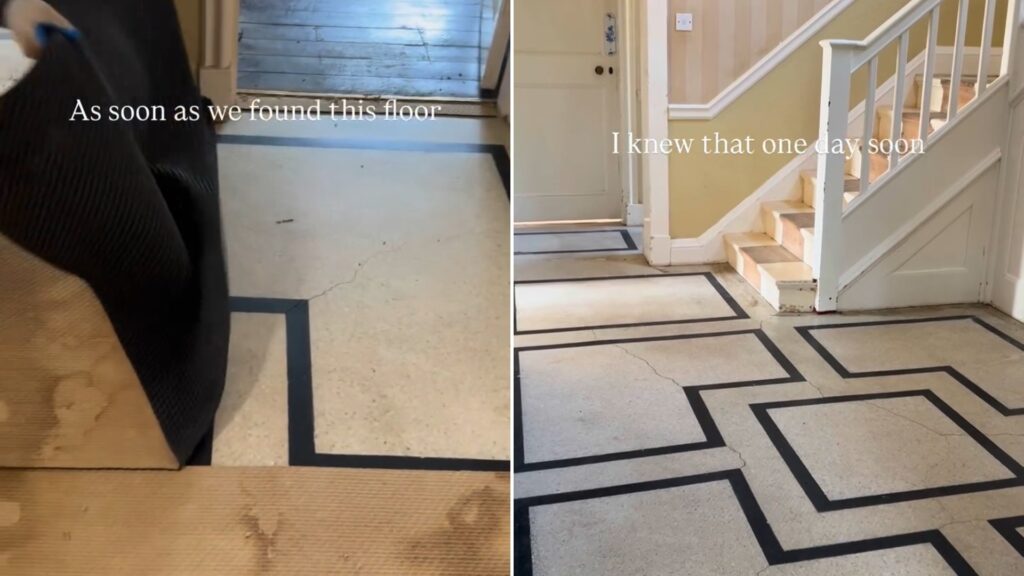
A shopper’s side-by-side comparison video shows the exact same item, bought for a few dollars at a thrift store, sitting on a high-end boutique shelf priced at nearly twenty times what she paid. The comparison is documented in her own Instagram reel, which has reached well past the creator’s existing base of 7.1K followers. It’s a familiar moment for anyone who thrifts regularly: the same object, two completely different price tags, depending entirely on where it happens to be sitting. The gap in this case is wide enough that it became the entire point of the video.
Thrift and charity shops generally price inventory against what it cost them to acquire, which for donated goods is close to nothing, plus whatever margin covers overhead and the store’s mission. A high-end or vintage boutique is pricing something else entirely: the time spent sourcing the piece, the curation of the shop itself, the story attached to it, and the expectation that its customers are paying for discovery as much as the object. Both numbers can be “correct” for the store charging them. They’re just answering different questions about the same item.
That gap is exactly why thrift-to-boutique comparison videos keep resonating with an audience well beyond the people who filmed them. They don’t require the creator to argue that boutiques are overcharging, or that thrifting is morally superior to buying new or resold. The math does the arguing on its own. A viewer doesn’t need any context about the specific piece to get the point; they just need to see the two price tags side by side.
The format has become common enough that it functions almost like its own subgenre within resale and home content. Someone finds a piece secondhand, later spots what looks like the identical item resold or restyled at a markup, and films the comparison. Furniture and home décor lend themselves to this particular version of the format because individual pieces are often distinctive enough, a specific shape, a finish, a hardware detail, that viewers can visually confirm the match themselves without taking the creator’s word for it.
What makes a comparison like this land isn’t really the raw dollar difference so much as the multiple. An item bought for twenty dollars and resold for forty barely registers as news. A find bought for a few dollars and priced at close to twenty times that is a gap large enough to read as its own kind of evidence, whether or not a viewer was ever planning to buy either version.
It also reframes what “expensive” and “cheap” mean in home decor, since neither price is really tied to what the item cost to manufacture in the first place. A boutique markup mostly covers the labor of finding, cleaning, and presenting a piece so it photographs and sells well. A thrift store price mostly reflects that the item arrived as a donation with no sourcing cost attached at all. The object didn’t change between the two price tags. Only who was doing the pricing did, and what exactly they were charging for.
That difference has turned thrifting into something closer to a side hustle for a growing number of sellers, who comb donation racks and estate sales specifically to resell pieces through their own shops, marketplace listings, or curated Instagram pages. None of that requires deception. A reseller who cleans, repairs, and photographs a piece well, then places it somewhere with the right audience, is doing real work that a busy shopper is often happy to pay for instead of doing themselves. The friction only shows up when a buyer later recognizes the exact item they could have found at the original price, had they gotten to it first.
Videos like this one tend to shift behavior a little more than they shift opinions. Few viewers walk away thinking boutiques should stop existing, but plenty start checking secondhand shops before a specialty store the next time they’re furnishing a room, simply because the comparison made the gap between the two options concrete instead of theoretical. A twenty-times markup is easy to shrug off in the abstract. It’s harder to ignore once someone has held up both price tags side by side.