


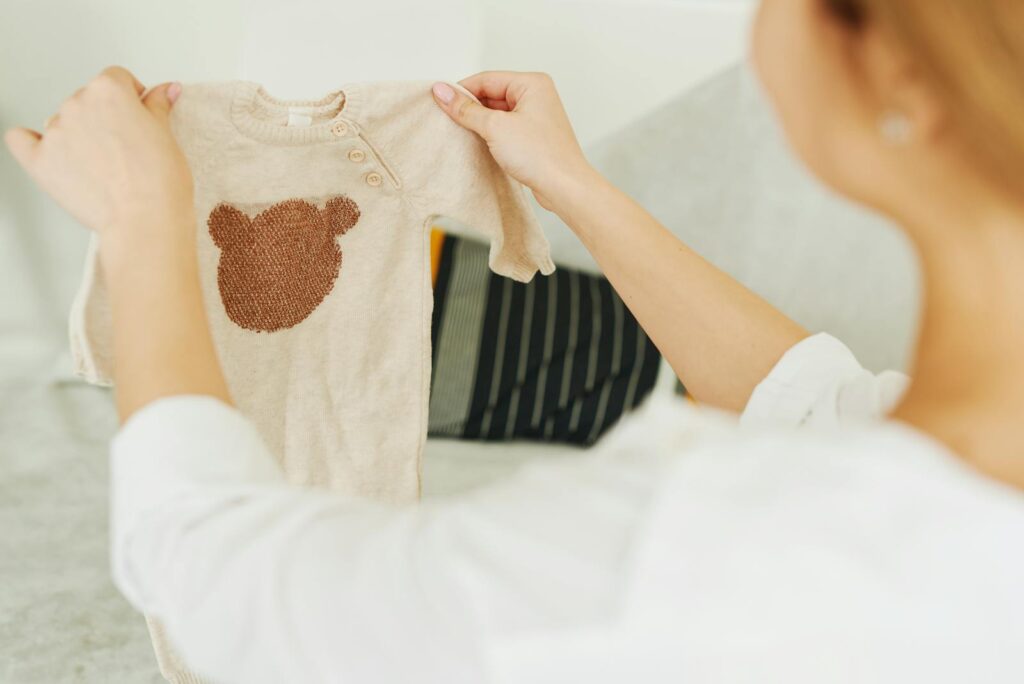
You feel torn the moment you hand your 13-month-old to Grandma — proud of the bond they’re building, but crushed by worry about the first night apart. Letting him stay for one night can be a healthy step for both of you, as long as you set clear expectations and keep communication open.
This piece shows practical ways to calm your guilt, prepare your baby and Grandma for bedtime, and check in without hovering. It outlines small, manageable steps that make the night easier for everyone and helps you feel confident about doing what’s best.

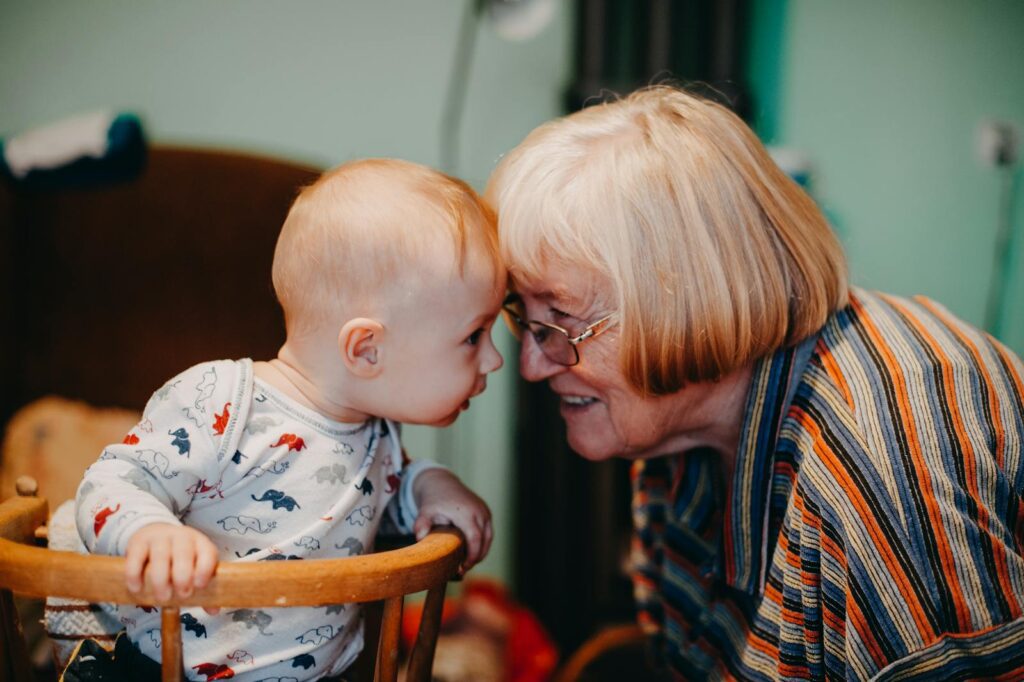
Navigating Mom Guilt When Your Baby Stays at Grandma’s
This section explains common feelings a mother may face, practical coping steps for guilt, and clear signs a 13‑month‑old is ready for an overnight at grandma’s. It sticks to concrete actions and realistic expectations.
Common Emotions About the First Night Apart
A mother often feels a sharp mix of anxiety and sadness the night her 13‑month‑old stays elsewhere. She might replay routines in her head — bedtime song, cheek kisses, the exact way she swaddles or tucks the baby — and worry those comforts will be missing.
Guilt can surface when she imagines missing a developmental milestone or the baby waking and reaching for her. Practical relief and pride can appear alongside guilt: relief if she needs rest, pride in trusting grandma, or satisfaction if the visit was planned for family support.
Encourage naming the feeling out loud and sharing specifics with a partner or grandma. That reduces the mental load and clarifies what the mother actually fears will be lost or missed.
Why Guilt Happens and How to Cope
Guilt usually comes from high parental standards and the belief that being physically present equals being a “good” parent. She can counter that by listing concrete caregiving tasks she performs and recognizing that the baby benefits from consistent love, not perfect presence.
Actionable coping steps:
- Prepare a short written routine: bedtime steps, favorite songs, sleep cues, feeding times.
- Pack familiar items: a blanket, a small toy, and a sleep-scented cloth.
- Set a check‑in plan: one text after bedtime, a quick call in the morning.
These reduce uncertainty and make the mother feel involved even when apart.
If intense guilt persists, suggest a brief journal entry each night noting one successful caregiving decision. This builds evidence that she made responsible choices rather than relying on emotion alone.
Understanding Baby’s Readiness for Overnight Stays
At 13 months most babies handle a single overnight away without long-term disruption, especially with consistent routines. Look for signs like: regular naps during the day, predictable bedtime cues, and successful comfort from other trusted adults during short visits.
Prepare grandma with specific details: how the baby falls asleep (dim lights, white noise, song), how to handle night waking, exact feeding amounts, and any allergy or medication instructions. Clear instructions cut down on mistakes and ease both caregivers’ stress.
If the baby shows high separation anxiety at drop‑off, try shorter trial separations first: an evening or an afternoon with grandma, then a nap there. Gradually extend time away only as the baby adapts, which builds confidence for everyone involved.
Making the First Night Away a Positive Experience
Small, practical preparations and clear comfort cues make the first night away less stressful for both baby and mom. Focus on familiar items, a short transition plan, and simple ways for mom to stay connected without undermining the new routine.
Preparing Your 13-Month-Old for Grandma’s House
Start 2–3 days before the visit by introducing one key item that will travel with the baby: a favorite blanket, stuffed toy, or a small pillow. Let the child nap with that item at home so it smells familiar.
Drive by or visit Grandma’s house for a short playtime before the overnight stay, so the location becomes a neutral, friendly place rather than a sudden change.
Pack a small overnight bag with clearly labeled items: two sleepsuits, extra bibs, favorite blanket, familiar sleep sack, and a photo of mom in a simple frame. Include a taped note for Grandma with sleep cues (time, preferred rocking method, white noise level) so caregivers replicate what the child expects.
Tips for Easing Separation Anxiety for Moms
Acknowledge normal feelings by planning a brief, predictable goodbye routine: a hug, a kiss, a short phrase like “see you in the morning,” and one last wave at the door. Keep the goodbye calm and confident; lingering increases distress for both parties.
Arrange one quick check-in text after bedtime so mom knows the baby settled. Avoid video calls during the first night unless it soothes rather than disrupts sleep—audio can be less intrusive than live video.
If guilt grows, remind mom that supervised time with grandparents supports attachment and gives her needed rest. Share clear emergency numbers and a simple health brief with Grandma to reduce worry and ensure fast action if needed.
Building a Comforting Routine for Baby
Replicate the home bedtime ritual as closely as possible: same order of bath (or not), book, feeding, and white noise. Write the sequence on a small card for Grandma so timing and tone match what baby expects.
Keep lighting soft and use the same nightlight or a light with similar warmth. Maintain consistent feeding amounts and bedtime window; minor shifts in schedule can cause waking.
Label a small “comfort kit” for Grandma with the baby’s preferred lullaby playlist, a favorite soft toy, a spare pacifier, and instructions for settling methods (patting, shushing, or rocking). That kit helps Grandma respond quickly in familiar ways, shortening wakes and easing separation.
More from Cultivated Comfort:
- 7 Vintage Home Items From the ’60s That Are Collectors’ Dream Finds
- 7 Vintage Home Goods That Became Collectors’ Gold
- 7 Fast-Food Chains That Changed for the Worse
- 7 Frozen Dinners That Were Better Back in the Day