


Ah, the garage. It’s that magical place where dreams of organization often go to die. You know, the one that starts out as a cozy shelter for your car but quickly transforms into a haven for forgotten toys, old paint cans, and maybe a raccoon or two? While we often turn a blind eye to our garage’s clutter, it’s important to keep an eye out for more serious issues lurking in the shadows. Here are some silent signs that your garage might be trying to tell you something’s wrong.
1. Unexplained Puddles

If your garage floor is starting to resemble a small pond, it’s time to pay attention. Water pooling in your garage can be a sign of a leaky roof, faulty gutters, or even plumbing issues. While it might seem innocent at first—”Oh, it’s just a little water”—it can lead to bigger headaches like mold or structural damage. Nobody wants a mushroom farm in their garage, right?
2. Strange Smells
Let’s talk scents. A garage should smell like… well, nothing much at all. If you’re getting whiffs of something musty or, heaven forbid, a chemical odor, it could indicate a leak from your car or stored chemicals. If you catch a whiff of something rotten, it might just be that half-eaten sandwich you left in there last summer, but it could also signal a more serious issue. Trust your nose; it usually knows what’s up.
3. Cracks in the Walls or Floor
Now, you might think a crack or two here and there is no big deal—it’s just character, right? Well, not exactly. Cracks can be a sign of foundation issues or water damage. If you notice these cracks getting bigger or spreading, it’s time to bring in a pro. Your garage shouldn’t resemble a scene from a horror movie, and neither should your foundation!
4. Unwanted Guests
Speaking of horror movies, if your garage has become a cozy abode for mice, raccoons, or even the occasional snake, it’s a serious red flag. Rodents can cause damage to your belongings and even pose health risks. Plus, let’s be real, finding a raccoon in your garage at 2 a.m. is not the surprise you want. Seal up any holes and keep an eye out for these furry intruders—your garage should be a sanctuary, not a wildlife refuge!
5. Rusty Tools and Equipment
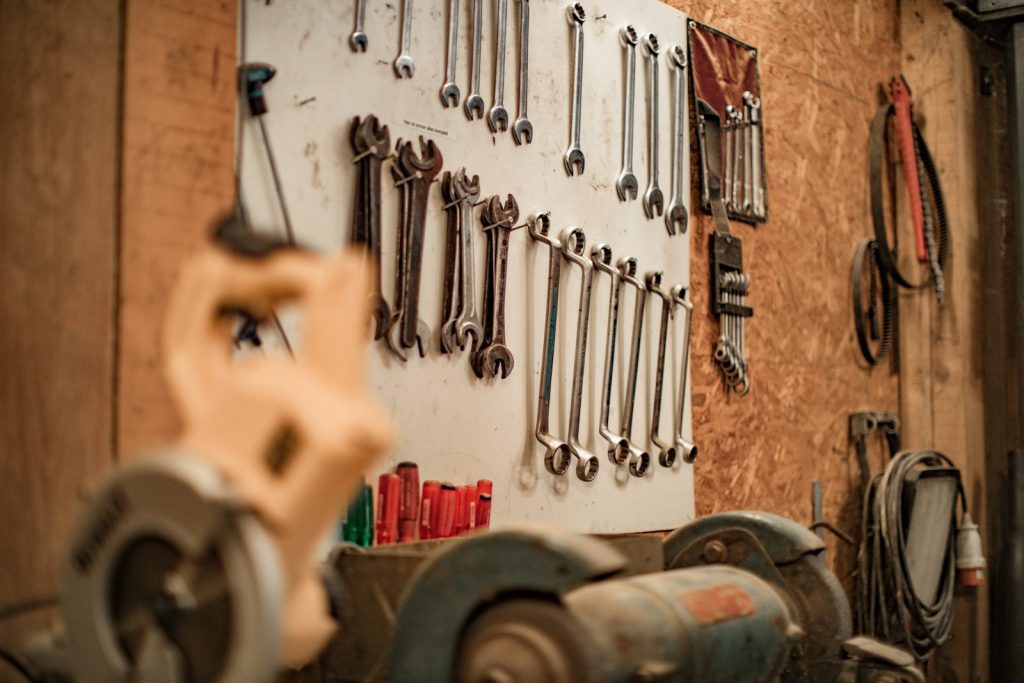
Rust is like that uninvited guest that just won’t leave. If your tools and garden equipment are starting to rust, it might mean your garage isn’t as dry as it should be. Moisture can wreak havoc on metal, leading to degradation and the unfortunate need to replace your favorite tools. Give your garage a good airing out, and consider investing in a dehumidifier if it’s consistently damp. Your tools will thank you!
6. Unstable Shelving
In the great circus of garage organization, wobbly shelves are a disaster waiting to happen. If your shelves are sagging or leaning, it’s not just an eyesore—it’s a safety hazard. Heavy items can come crashing down, potentially injuring someone or damaging your prized possessions. Reinforce those shelves or consider a storage solution that won’t give you a heart attack every time you reach for a box.
7. Electrical Issues
Let’s face it: garages are often the last place we think about when it comes to electrical safety. Flickering lights, frequent circuit trips, or outlets that feel warm to the touch are all signs you should pay attention to. These issues can be dangerous, leading to shocks or even fires. If you’re experiencing electrical gremlins, don’t ignore them—call an electrician. Your garage should be a safe space, not a shocking one!
8. Unorganized Chaos
While clutter might not be a “serious” problem in the same sense as a leaky roof, an unorganized garage can lead to frustration and lost time. If you find yourself spending more time searching for tools than actually using them, it’s time for a little spring cleaning. Organizing your garage can be therapeutic and can help you identify any issues you might’ve missed. Plus, who doesn’t love that satisfying feeling of a tidy space?