


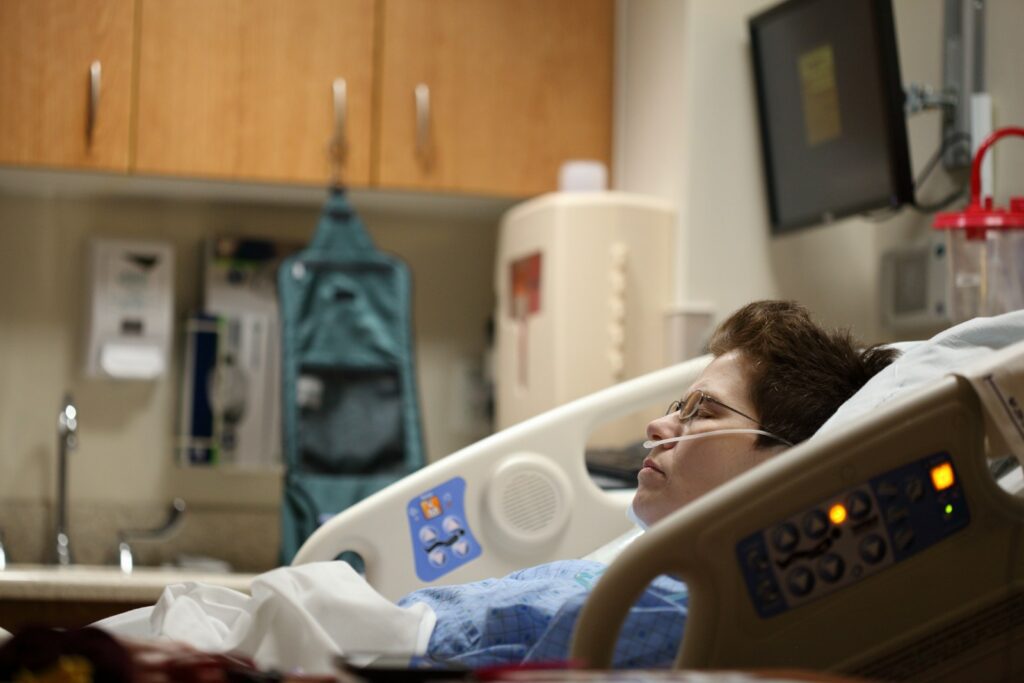
A young Oklahoma mother who spent her final months planning her own funeral and trying to secure her children’s future has died after a terminal cancer diagnosis. The single mom raised more than $350,000 online so her three kids would have a financial cushion and so loved ones would not be left scrambling to cover end-of-life costs. Her story, raw and practical and heartbreaking all at once, has resonated far beyond her hometown.
Friends and family say she faced the end of her life the same way she handled everything else, by putting her kids first and refusing to look away from hard realities. Even as her health declined, she kept focusing on what would happen to them after she was gone, turning her own tragedy into a kind of community project built on generosity, spreadsheets, and a lot of late-night fear.
The single mom behind the viral fundraiser

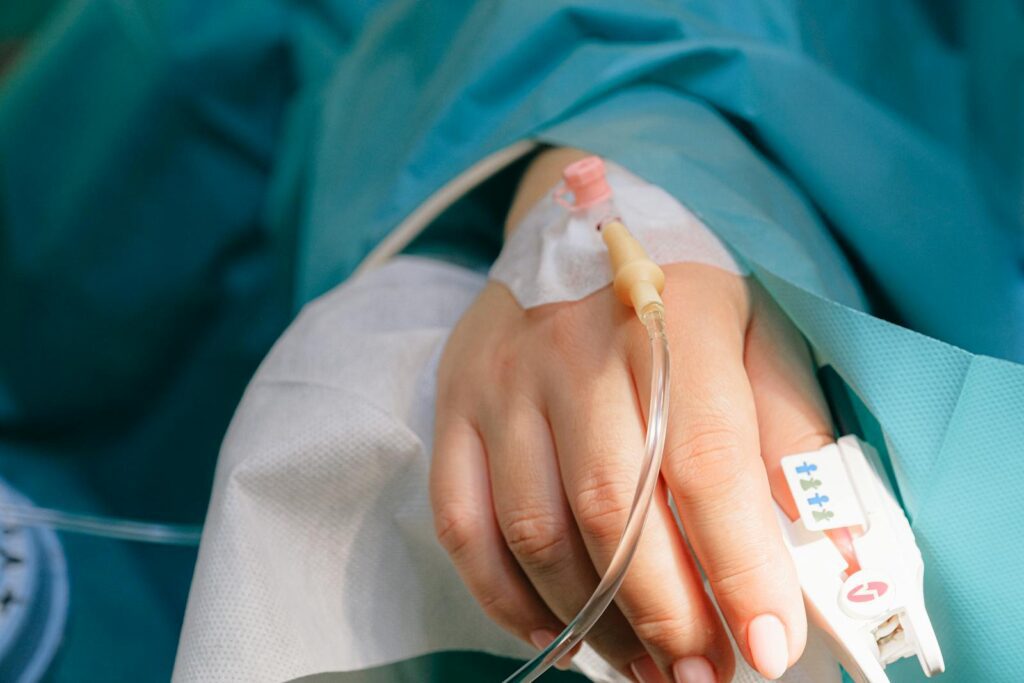
The woman at the center of this story is Kaylin Gawf, a 28 year old single mom from Oklahoma who had already been through more than most people twice her age. She was raising three children on her own when doctors told her the cancer she had been fighting was terminal. Relatives describe her as someone who loved loudly and showed up for everyone, the kind of person who remembered birthdays, babysat at the last minute, and still somehow made it to school events even when she was exhausted.
In tributes shared after her death, loved ones called Kaylin “a devoted mother, a loving daughter, a beloved sister and aunt, and a loyal friend who loved with everything she had,” language that captures how central she was to her family’s daily life and emotional core, according to an obituary cited in Kaylin Gawf. That same remembrance stressed how much of her identity was wrapped up in motherhood, which helps explain why, once she knew time was short, her thoughts went straight to what would happen to her kids when she was no longer there to run the show.
A diagnosis that changed everything
Kaylin’s life pivoted the moment doctors told her the cancer in her body was not only back, but spreading. Earlier reports describe how she had already been treated for disease that involved her breast and lymph nodes, and then learned it had advanced to the point that her medical team was talking in terms of months, not years. Hearing that kind of prognosis at 28, with three young children depending on her, forced her into a crash course in both oncology and estate planning.
One detailed account notes that she was told she might have around ten months to live, a timeline that framed every decision she made after that conversation, from treatment choices to how she spent weekends with her kids, according to coverage of a $350,000 fundraising push. The diagnosis did not just threaten her health, it upended the family’s financial stability, since she had already been juggling work, childcare, and medical appointments even before the cancer turned terminal.
Turning to crowdfunding to protect her kids
Once it became clear that treatment could not save her life, Kaylin shifted into planning mode. She set up an online fundraiser with a blunt goal, to cover her own funeral and to build a nest egg for her children so they would not be left with nothing. The campaign quickly took off, shared by friends, strangers, and people who simply recognized themselves in a young parent trying to do right by her kids in an impossible situation.
By the time she died, the fundraiser had brought in more than $350,000, a staggering sum that reflected both the scale of her need and the reach of her story, according to multiple reports that describe how a $350,000 goal became a lifeline. One summary framed it as a “NEED TO KNOW” story, underscoring how her campaign tapped into a broader anxiety many families feel about the cost of dying and the financial free fall that can follow a serious illness.
Planning her own funeral with clear eyes
Alongside the fundraiser, Kaylin did something that makes a lot of people uncomfortable even to think about, she planned her own funeral while she was still alive. She chose details, talked through logistics with relatives, and tried to make sure that when the time came, her family would not be stuck guessing what she would have wanted. It was a way of keeping control over at least one part of a situation that had otherwise spun far beyond her reach.
Her approach echoes another widely shared story about a 28 year old single mom with terminal cancer who openly discussed how she was arranging her own service and raising money for her kids before her death, saying she was “So Heartbroken” but determined to keep looking out for them, as described in coverage of a Single Mom facing similar choices. In both cases, the funeral planning was not morbid so much as practical, a way of sparing loved ones from both financial strain and the emotional burden of making big decisions in the middle of fresh grief.
“She still wants to be able to look out for them”
People close to Kaylin say that even as her body failed, her mindset stayed locked on her children’s future. One relative explained that “She still wants to be able to look out for them and try to plan for their future,” a line that captures how she saw the fundraiser and funeral planning as extensions of everyday parenting, just on a much more compressed and painful timeline, according to a profile that highlighted how She approached those final months. That same account noted that she was not just thinking about immediate bills, but about milestones she knew she would miss, like graduations and first apartments.
Her fear was not only about dying, but about leaving her kids without a safety net or a clear plan. Another young mother in a related report put it bluntly, saying her “biggest fear isn’t dying, it is leaving my kids behind,” a sentiment that mirrors what Kaylin’s friends say she voiced in private conversations, as reflected in coverage of a $350 fundraising story. That kind of honesty about parental terror is part of why her campaign resonated so widely, cutting through the usual social media noise.
How her story spread and who showed up
Kaylin’s fundraiser did not reach six figures by accident. Her story traveled through local networks, then across state lines, and eventually into national coverage that framed her as a symbol of both grit and the brutal math of serious illness in the United States. People who had never met her donated, shared the link, and left comments about their own experiences with cancer, single parenting, or losing a parent young.
Her name began popping up in roundups of notable human interest stories, including year end pieces about families who turned to the internet to cover medical and funeral costs, where “NEED” and “KNOW” tags flagged her as someone readers should pay attention to, according to an emotional look at fundraising parents. Her story was also referenced in coverage of other health battles, like a feature on influencer Sara Bennett, where a sidebar noted that Kaylin had died after raising more than $350,000 for her kids and her own funeral expenses, underscoring how her experience had become a touchstone in conversations about young adults facing life limiting diagnoses, as seen in a piece that highlighted NEED to know stories.
The moment the community learned she was gone
News of Kaylin’s death hit the same online community that had rallied around her fundraiser. Updates on the campaign and social media posts from relatives confirmed that she had died after her terminal cancer diagnosis, leaving behind the three children she had spent months trying to protect from the financial fallout. Messages of condolence poured in, many from people who had never met her but felt invested in her story after following her journey through treatment, planning, and fundraising.
One widely shared summary put it plainly, noting that a single mom who had raised more than $350,000 for her own funeral and her kids had died after a terminal cancer diagnosis, and identifying her as Kaylin Gawf. That stark framing captured the whiplash of a story that had always been racing a clock, and it also underlined the bittersweet reality that while the money could help her children, it could not buy them more time with their mother.
What the money means for her children now
With Kaylin gone, the focus has shifted to what happens next for her kids and how the funds she raised will be used. Relatives have talked about using the money to cover day to day expenses like housing and childcare, as well as longer term needs such as education and counseling. The idea is that the fundraiser will function as a stand in for the financial support she would have provided if she had lived to see them grow up.
Her story has also been folded into a broader conversation about how families in crisis lean on crowdfunding to fill gaps that traditional safety nets do not always cover, especially when a parent is young, single, and facing a fast moving illness. In several “NEED TO KNOW” style roundups, her case is cited alongside other parents who turned to the internet to secure their children’s futures, including references to Kaylin as a mom of three who faced a ten month prognosis. For her children, the money will never replace her, but it may soften some of the hardest edges of growing up without her.
The legacy of a 28 year old who refused to look away
In the end, Kaylin’s legacy is not just the dollar amount attached to her fundraiser, though more than $350,000 is a powerful testament to how many people were moved by her story. It is also the example she set by facing the reality of her illness head on, talking openly about death, and treating financial planning as an act of love rather than something to be avoided. Friends say she wanted her kids to know she did everything she could for them, right up until the end.
Her story has been linked with other young mothers who have gone public about terminal diagnoses, including a 28 year old described as a “Single Mom, Terminal Cancer Plans Her Own Funeral and Raises Money for Her Kids Before Her Death, So Heartbroken,” and another remembered as a “Single Mom, Who Raised More Than, Her Own Funeral and Kids, Dies After Terminal Cancer Diagnosis, Desiree Anello,” both referenced in coverage that used the shorthand “Jan” to flag their cases as part of a growing pattern of young parents confronting mortality in public view, as seen in reporting on Terminal Cancer Plans and on a Single Mom, Who story. Together, these women have forced a wider audience to look at what it really takes for a young parent to prepare for a future they will not be around to see, and Kaylin’s name now sits firmly in that conversation.
More from Decluttering Mom: