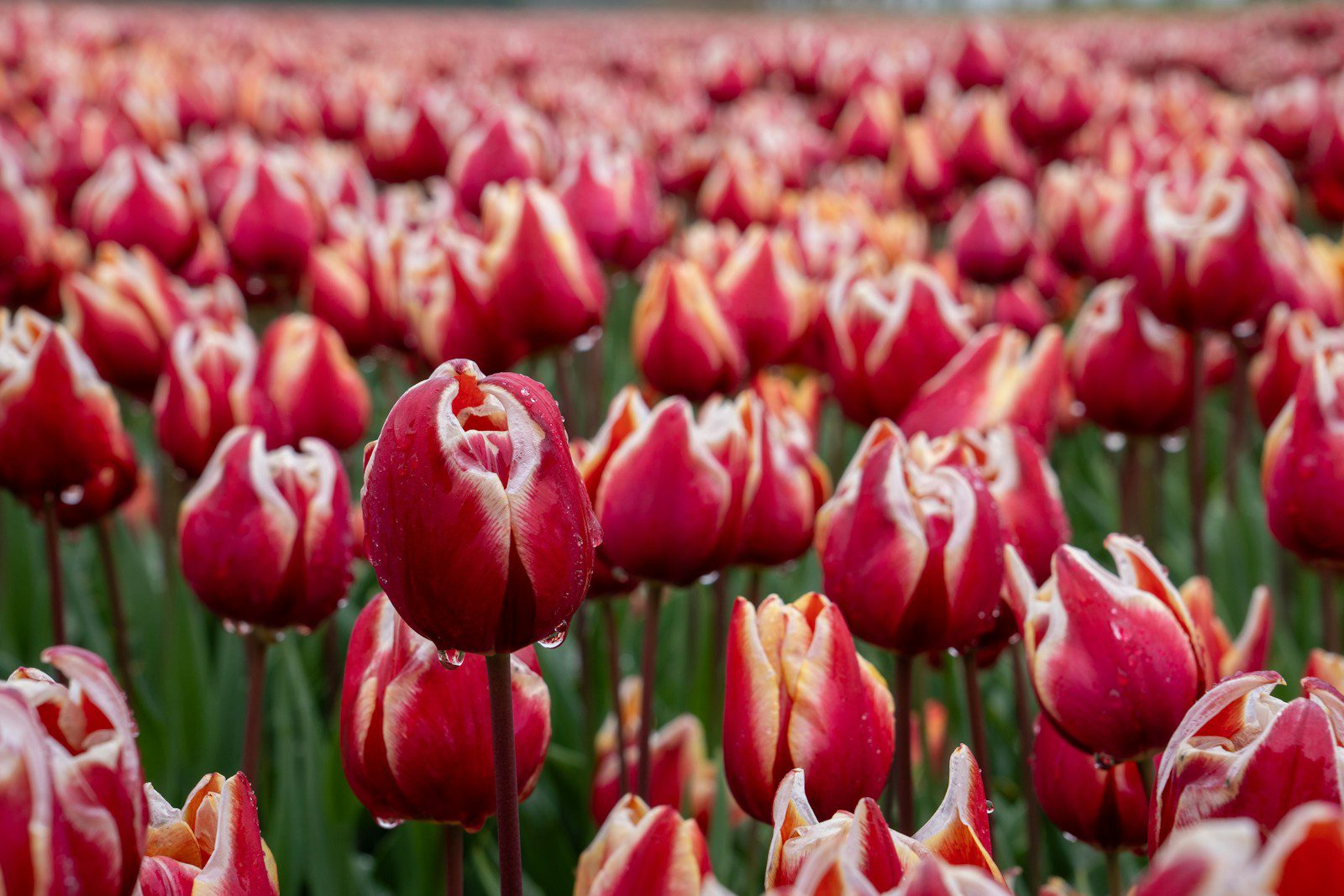
Six weeks. That’s roughly how long spring-blooming tulip bulbs need in the ground before the soil turns hard, and for a huge swath of the country, that window is already closing as August ends. The USDA’s Plant Hardiness Zone Map, last updated at the end of 2023 using 1991-2020 climate data from more than 13,000 weather stations, puts the average first fall frost for zones 5 through 7, a band that covers most of the Midwest, the mid-Atlantic and the Mountain West, somewhere between September 23 and October 25. Count backward six weeks from those dates and the ideal planting window for a lot of gardeners either just closed or is closing within days, not months.
Why Zone Matters More Than the Calendar
Tulip bulbs need real cold exposure to bloom, but they also need enough time in warm-ish soil to grow roots before the ground freezes solid. Extension offices generally advise planting six to eight weeks before that hard freeze, which is why the actual date on your kitchen calendar matters far less than which USDA zone your ZIP code falls into. Zones 3 and 4, covering the northern Great Plains and interior Alaska, see average first frost arrive between September 1 and September 30, meaning gardeners there are often planting bulbs before Labor Day cookouts have even wrapped up.
The Warmer Zones Aren’t Off the Hook Either
Zone 8, stretching through parts of the Pacific Northwest, the coastal Southeast and Texas, sees average first frost between October 20 and November 1, buying those gardeners a few more weeks of breathing room. Zones 9 and 10, covering the Gulf Coast, southern California and Florida, don’t typically see frost until November 11 through December 15, which is why bulb-planting advice that works in Minneapolis is close to useless in Tampa. Anyone gardening south of zone 8 should also know that tulips there generally need a stint in the refrigerator first, since the ground never gets cold enough on its own to trigger proper blooming.
The Map Itself Shifted Under Gardeners’ Feet
Part of why this countdown catches people off guard is that the zone map changed. When the USDA released its updated map in late 2023, it was built on denser data than the 2012 version, pulling from over 13,000 weather stations instead of fewer than 8,000, and it showed an overall 2.5-degree increase in average winter temperatures. Roughly half the country shifted into a warmer half-zone as a result, with the biggest changes concentrated in Arkansas, Kentucky, Missouri and Tennessee. A gardener who has been planting bulbs on the same early-October schedule for a decade may be operating on a frost date that no longer matches their actual zone, which is exactly the kind of gap that turns a six-week planting window into a two-week scramble.
What to Actually Do With Six Weeks or Less
If frost is close, the priority shifts from planning to speed. Get bulbs into well-draining soil at a depth of roughly three times the bulb’s height, water them in once, and skip the fertilizer until spring growth appears. Bulbs planted even a few weeks later than ideal will often still bloom, just with a shorter root system and a slightly higher risk of frost-heave pushing them toward the surface over winter. The bigger risk isn’t planting a little late, it’s planting so late that the ground freezes before roots ever form, which is the actual failure mode the six-week rule is designed to prevent.
Checking Your Actual Zone Beats Guessing
Because frost dates for zones 5 through 7 span more than a month depending on elevation, proximity to water and local microclimate, a gardener’s best move is checking their specific ZIP code against the current USDA map rather than relying on a general regional rule of thumb. The map itself now captures small pockets of warmth, like urban heat islands and areas near large lakes, that the older, sparser dataset simply couldn’t see. A backyard three miles from a reservoir can run a full zone warmer than a property just up the hill, and the six-week countdown looks entirely different depending on which side of that line a gardener happens to live.
For anyone who bought bulbs back in September expecting to plant “sometime before it gets cold,” the updated data is a reminder that in gardening, the clock that matters isn’t the one on the calendar. It’s the one tied to your specific patch of ground, and this year, for roughly half the country, that clock is already running down.