


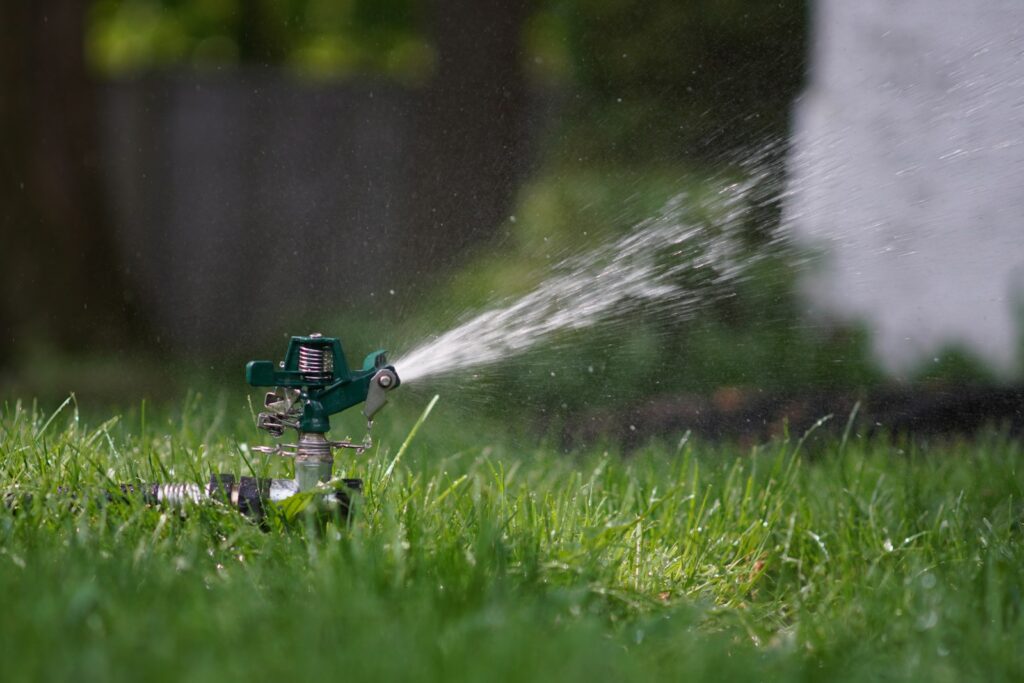
A professional sprinkler blowout runs about $90 on average, and skipping it can leave you facing a repair bill running into the thousands once the first hard freeze hits. Angi’s national cost data puts the typical winterization visit between $56 and $137, averaging around $93 for a standard residential system, while HomeGuide’s cost guide lands in a similar $50-to-$150 range for up to 12 zones. Water left sitting in irrigation pipes doesn’t just sit there once temperatures drop. It expands as it freezes, and that expansion is what splits PVC lines, cracks valves, and wrecks backflow preventers that cost far more to fix than the blowout would have. If your system hasn’t been shut down yet this season, the clock is shorter than most homeowners assume.
What the Blowout Actually Costs
The pricing scales with how many zones your system runs. HomeGuide’s breakdown shows small systems with one to four zones running $60 to $100, standard five-to-six-zone setups landing between $100 and $130, and larger nine-to-twelve zone systems climbing to $150 to $250, with each additional zone beyond a base package typically adding $5 to $20. A full-service plan that bundles fall winterization with spring startup runs $140 to $400 for the year. None of these numbers are large compared to what’s at stake. A single burst pipe repair alone runs $300 to $1,200, according to irrigation-industry cost data, and a cracked backflow preventer, one of the most freeze-vulnerable and expensive components in the whole system, can cost $150 to $400 to replace on its own.
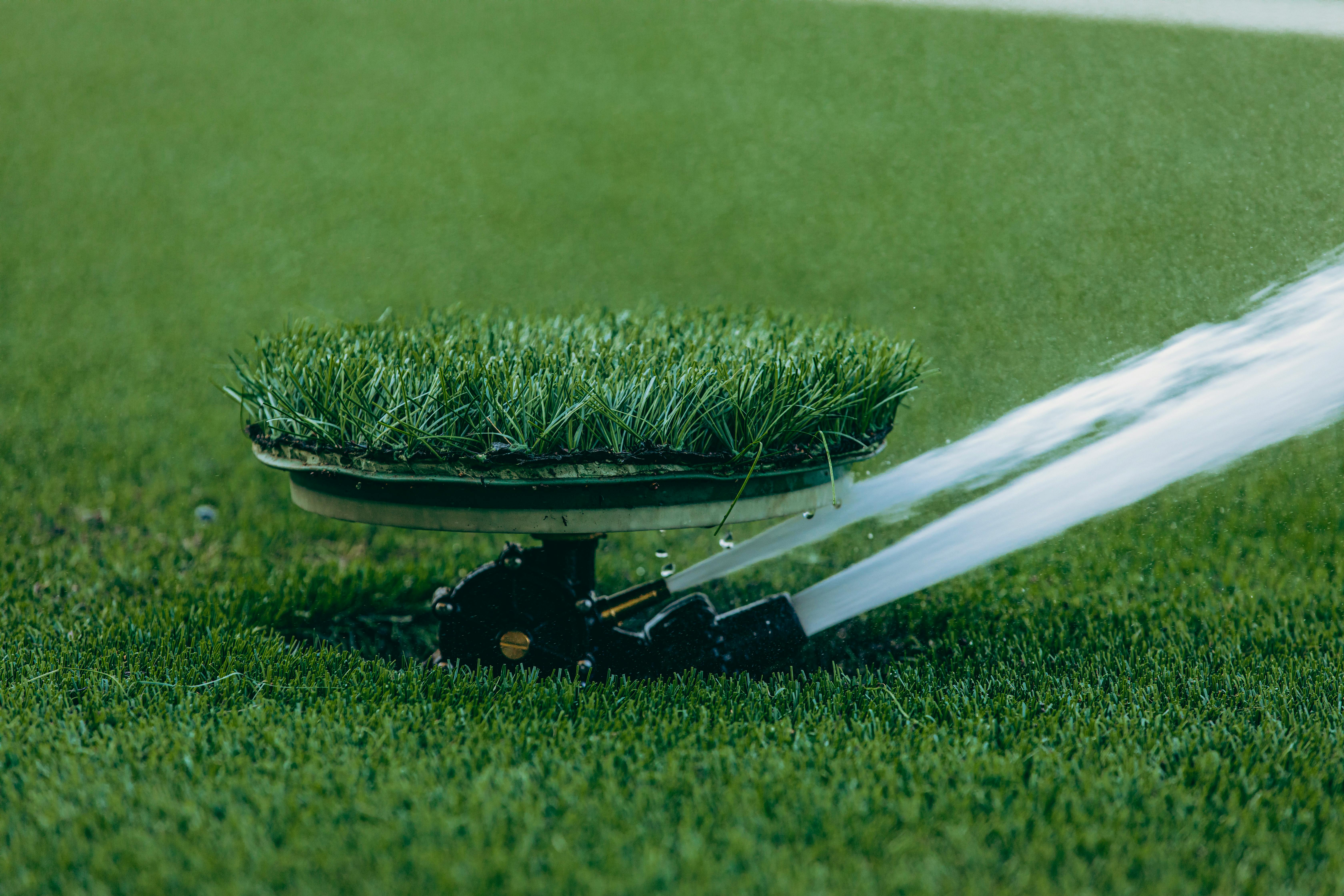

Why Water Left in the Lines Is the Actual Problem
The physics here is simple and unforgiving. Water is one of the few substances that expands, rather than contracts, as it freezes, and irrigation pipes and valves aren’t built to absorb that expansion. Once ice forms inside a length of buried PVC, the pressure has to go somewhere, and it goes into cracking the pipe wall or blowing apart a fitting. Sprinkler manufacturer Rain Bird’s own winterization guidance is built around exactly this principle: a professional or well-equipped DIY blowout uses a compressor set to roughly 50 psi for most residential zones, sometimes 75 to 85 psi for larger lines, to force every last bit of standing water out of the pipes, heads, and valves before temperatures drop far enough for that leftover moisture to freeze. Skip that step and the water simply waits in the lines for the first cold snap to do the damage.
Timing Matters as Much as the Blowout Itself
Getting the timing wrong undercuts the whole point of winterizing at all. Industry guidance consistently points to scheduling the blowout in late fall, ahead of the first expected hard freeze rather than after it, since a single unexpected overnight freeze before your appointment is all it takes to crack a line. Waiting too long is also why irrigation companies get booked solid every autumn. If you call once your local forecast already shows a hard freeze, there’s a real chance you won’t get a technician out in time, which is part of why the guidance is to schedule weeks ahead rather than react to a cold snap already underway.
The Math That Makes This an Easy Call
Run the numbers side by side and the decision isn’t close. A $90 average service call against a repair bill that starts at $300 for a single burst pipe and can climb into a full system replacement costing $3,000 to $10,000, per industry cost data, if enough of the system freezes and cracks before anyone notices. Sprinkler head replacements alone run $30 to $100 each, and a system with a dozen damaged heads after a hard freeze adds up fast even before you count the labor to dig up and replace buried lines. None of this requires special skill to avoid. It requires getting on a technician’s calendar, or renting a compressor yourself, before the first real freeze rather than after.
If You’re Doing It Yourself
Homeowners with their own air compressor can handle a basic blowout, but the process rewards caution more than speed. Shut off the water supply at the backflow preventer first, open the drain valves, then run compressed air through each zone in sequence rather than all at once, watching for the spray at each head to slow to a fine mist before moving to the next zone. Rain Bird’s guidance is explicit that exceeding roughly 50 psi on most residential systems risks damaging valves and fittings from the inside, which defeats the purpose of protecting them from freeze damage in the first place. If you don’t own a compressor rated for the job or aren’t confident reading your system’s zone layout, the $90 or so a professional charges is cheap insurance against doing more harm than the winter would have.
Ninety dollars now or thousands later isn’t really a close comparison once you understand what a single freeze does to standing water in a pipe.