


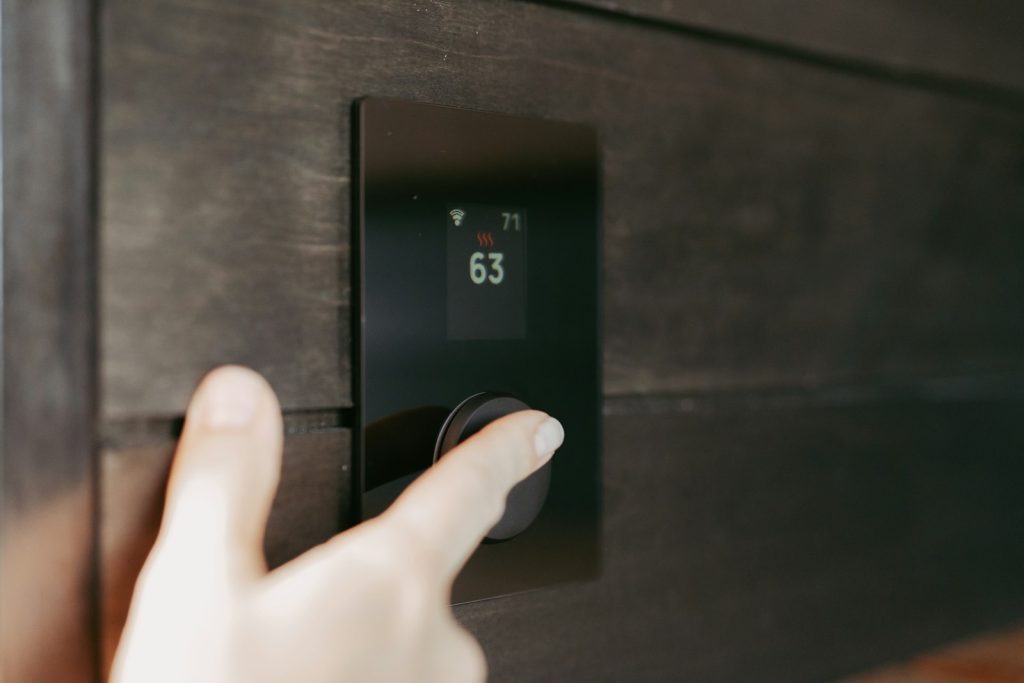
When energy prices jump, people start eyeing the thermostat like it is a luxury item instead of a basic switch. Yet a lot of the heat that keeps a home comfortable is already flowing through pipes and appliances, especially anywhere hot water is involved. With a few smart tweaks, that existing warmth can do more of the heavy lifting so the heating system can quietly sit out a few rounds.
Instead of cranking up the furnace, homeowners can lean on small, practical water habits that stretch every degree they are already paying for. From how showers are timed to where radiators sit, these choices can turn hot water into a quiet teammate for winter comfort rather than just something that disappears down the drain.
Let hot water work twice: showers, baths, and everyday habits
The simplest way to get more heat for the same money is to let hot water warm the air before it escapes. After a shower, leaving the bathroom door open and the fan off for a few minutes lets steam drift into nearby rooms, adding a gentle bump in humidity and temperature. That extra moisture helps air feel warmer at the same thermostat setting, a point energy specialists highlight when they explain how higher indoor humidity can make 20 degrees Celsius feel more comfortable than drier air at the same reading, as noted in guidance on thermostat comfort.
Small timing shifts also matter. Running the dishwasher or a hot-water laundry cycle in the evening, when people are actually home to enjoy the residual warmth, keeps more of that heat indoors instead of letting it fade into an empty house. Modern dishwashers and washing machines are designed to use far less water than older models, and federal efficiency data on ENERGY STAR dishwashers and efficient washers shows that they can cut hot water use while still releasing a noticeable amount of heat into the surrounding space.
Tune the water system: temperature, insulation, and smart controls
Water heaters quietly set the baseline for both comfort and cost, and a few adjustments can keep rooms cozier without touching the main thermostat. Lowering a conventional tank heater from very high settings to around 49 degrees Celsius reduces standby losses, yet still delivers water that feels hot at the tap. Federal safety and efficiency guidance on water heating notes that this range balances scald protection with energy savings, which means more of the heat that is produced actually reaches showers, sinks, and radiators instead of bleeding away inside the tank.
Insulating the first few meters of hot-water pipes and wrapping older tanks in a rated insulation blanket keeps that heat from leaking into basements and utility closets where it does little good. Tests summarized in federal pipe insulation and tank insulation guidance show that these low-cost upgrades can cut heat loss by significant percentages, which effectively raises the temperature of water arriving at fixtures without raising the heater setting. In practice, that means shorter run times for the heater and warmer-feeling water for the same energy input.
Make radiators and hydronic systems pull their weight
Homes with hot-water radiators or underfloor hydronic loops already have a built-in way to turn water into room heat, but layout and maintenance often decide how well that system performs. Keeping radiators clear of bulky furniture and long curtains lets warm air circulate instead of getting trapped against cold walls. Energy efficiency advice on space heating stresses that blocked vents and radiators can force systems to run longer for the same effect, which wastes both fuel and the heat carried by water through the pipes.
Bleeding trapped air from radiators at the start of the heating season helps hot water fill the entire unit so it can radiate evenly. Hydronic specialists point out in technical notes on radiant systems that air pockets reduce surface temperature and create cold spots, which tempts people to raise the thermostat even though the boiler is already working hard. By keeping the water side of the system in good shape, each degree of boiler output translates more directly into room warmth, so the main thermostat can stay put while comfort improves.
More from Decluttering Mom: