A smoke alarm is supposed to be the one gadget in your house you never have to think about. Now the U.S. Consumer Product Safety Commission is warning that some combination smoke and carbon monoxide alarms sold online may stay silent when they are needed most.
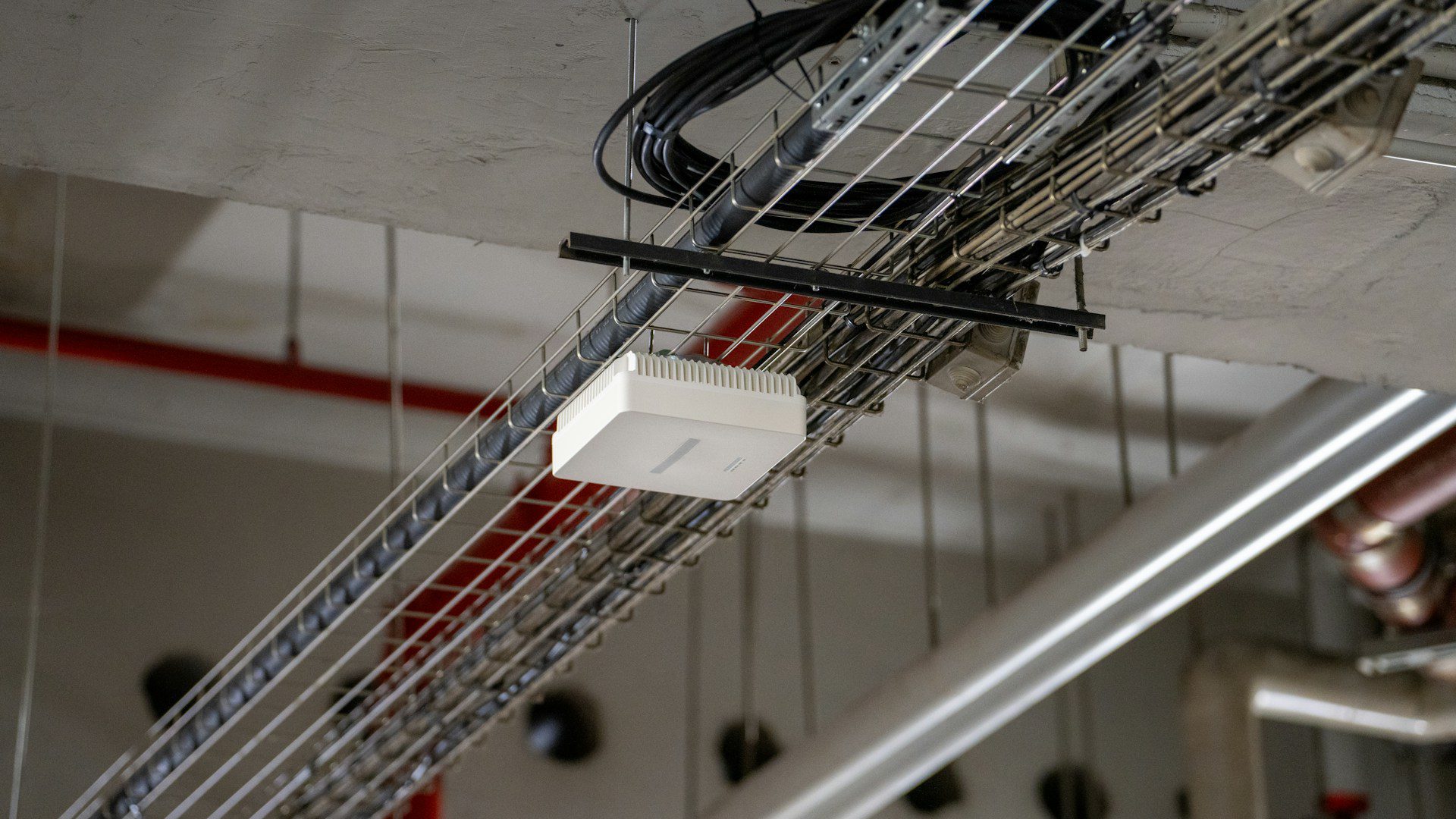
The warning covers model YHW-542COM-R, sold on Amazon and eBay from September 2025 through June 2026 at prices from $18 to $168.
Two Reports Of Alarms That Failed To Sound In A Fire
The agency says it received 2 reports of these alarms failing to alert during smoke or fire. Those are the kind of reports that matter, because a single failure can be the difference between getting out and getting trapped.
The product is a combination unit, meaning one device is supposed to sense both smoke and carbon monoxide. That is a handy idea, since carbon monoxide is invisible and odorless, and a good alarm is the only way to catch it.
The CPSC says to stop using the alarms and dispose of them. It also says not to sell them or pass them along.
The Maker And The Seller Have Not Responded To The Government
There is a second reason this is a warning rather than a standard recall. The CPSC says the manufacturer, ShenZhen YuFangWeiShi, and the seller, Shenzhen Lixiang Xiancai, have not responded to the agency.
When a company stays silent, there is no refund program, no replacement and no company hotline for shoppers. The government’s only tool is to tell the public, which is what this warning does.
A wide price range, from $18 to $168 for the same model, is also worth noticing. Marketplace prices can swing wildly, and a high price tag does not guarantee a product has been tested.
Check Your Ceiling Today, Not This Weekend
Walk through the house and look at the back or side of each alarm for the model number. If you see YHW-542COM-R, that is the one the agency is warning about.
If you ordered a combination alarm online in the last year or so, find the order in your account and check the model there. A photo of the label on your phone is a handy way to keep the number.
Do not wait for a convenient moment. An alarm that may stay silent is not protecting anybody, so replace it right away.
Replace It With An Alarm That Carries The Right Safety Marks
The CPSC advises buying alarms that meet two safety standards. Smoke alarms should meet UL 217, and carbon monoxide alarms should meet UL 2034.
Look for those numbers on the box and on the device itself. A recognizable, tested brand sold by a retailer you can reach by phone is usually a safer choice than a no-name unit with a very low price.
Keep the receipt, and register the alarm if the company offers that. If something goes wrong, you will want a way to reach somebody.
Where The Experts Say Alarms Belong In Your Home
The agency’s advice is to install working alarms on each level of the home and outside sleeping areas. That means a hallway outside the bedrooms, and a spot on every floor, including the basement.
Many people stop there, but testing matters too. The CPSC says to test often, so press the button and listen for the sound, and make it a habit you share with the rest of the household.
It also helps to have battery power, either battery-operated alarms or ones with a battery backup. If the power goes out in a storm, you still want your alarms to work.
Carbon monoxide deserves its own line here. Furnaces, water heaters, fireplaces, gas stoves and generators can all produce it, and the gas gives no smell or color to warn you.
That is why a working alarm matters near bedrooms, where people are asleep and cannot notice a problem on their own. If your current alarm is one of the recalled units, a replacement is not a luxury, it is the only protection that area has.
When you buy new ones, read the box before you leave the store or approve the cart. The standards, UL 217 for smoke and UL 2034 for carbon monoxide, should be printed right there, and a unit without them is worth leaving on the shelf.
Consider checking in with older relatives, too. Many seniors order household items online, and a short call or visit to look at the ceiling is a kind way to help.
A Few Quick Habits That Make A House Safer
Pick a date, such as the first of the month, to test every alarm. Many people tie it to something they already do, like paying a bill or changing the calendar.
Write the install date on the inside of the alarm with a marker. Alarms do not last forever, and most manufacturers recommend replacing them after about a decade, so a date saves you from guessing.
Talk through a plan with your family or housemates, including two ways out of every room. Make sure everyone knows where to meet outside.
And if you spot one of these alarms in the home of a friend, a neighbor or a relative, say something. A short conversation today could matter a great deal.
More Stories You May Like
- 11 Kitchen Things From The 1950s And 1960s That Will Bring Back Memories
- 9 Things You Should Stop Buying In Bulk Unless You Know You Will Actually Use Them Before They Expire Or Lose Quality
- Thanksgiving In 1976 Meant Shrimp Aspic, Gelatin Molds And Handwritten Place Cards, But Fifty Years Later Turkey Trots And Black Friday Sales Have Taken Over