


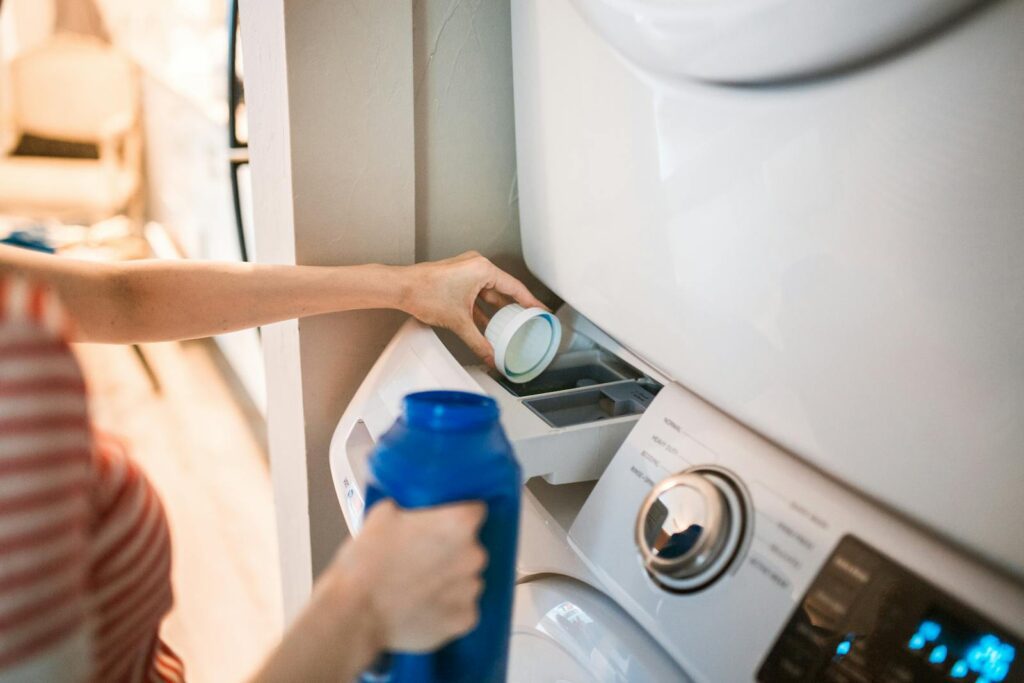
You spot the warning signs when a laundry machine stops acting like an appliance and starts acting like a problem. She lived with a Samsung washer-dryer combo for seven years before small faults turned into repeated headaches and mounting home repairs.
If a single appliance can cause years of water damage and recurring costs, you should know how to spot the risks, document the damage, and explore recall and repair options.
Their story traces the appliance failures, the resulting flood damage in St. Louis, and how recalled Samsung washers have led other owners to face similar hazards, giving you a clear map of what to watch for and what steps to take next.

St. Louis Homeowner’s Experience with Samsung Washer-Dryer Combo
The homeowner reports repeated water damage, high repair bills, and persistent performance problems tied to a Samsung all‑in‑one washer-dryer. The account includes specific failures, a clear timeline of service visits, and notes that other owners report similar issues.
Details of the Costly Damage and Ongoing Issues
The unit reportedly leaked from the bottom seal and pump area, allowing water to run into the subfloor and drywall over multiple months. That leak led to a warped floor joist and replacement of a 6‑by‑8 foot section of flooring, with contractor invoices totaling several thousand dollars. The homeowner also says clothes sometimes emerged still wet after a full cycle, which required multiple re‑dry cycles and increased utility bills.
Service records show repeated part replacements: a drain pump, a front door seal, and a control board. Each repair resolved one symptom briefly, but the leaks and intermittent failure to dry returned within weeks. The homeowner documents calls to Samsung support and warranty claims that resulted in extended wait times for authorized service technicians.
Timeline of Problems and Headaches
The homeowner bought the Samsung washing machine combo in year one and noticed the first slow drain within three months. By month six, technicians replaced the drain pump after the machine failed to expel water at the end of the wash cycle. Problems escalated in year two when the unit began leaking heavily during high‑spin cycles, damaging flooring and cabinetry.
Years two through four involved recurring service visits roughly every 6–12 months for pump or seal failures and one major control board replacement. Each visit required scheduling, taking time off work, and temporary laundry arrangements. The homeowner says warranty coverage covered some labor, but out‑of‑pocket costs for emergency mitigation and flooring repairs remained substantial.
How Other Owners Describe Their Samsung Washer Problems
Other owners in forums and retailer reviews describe similar faults: drainage failures, persistent odors from trapped moisture, and long dry cycles on ventless or combo models. Several users report the washer not draining entirely, which often forces manual emptying or additional pump replacements. Complaints also include slow or unavailable service appointments with authorized technicians.
Some reviews praise features like auto‑dispense and smart cycles, but many echo concerns about reliability and repair frequency. A handful of owners who switched to separate front‑load washer and dryer setups report fewer leaks and simpler, cheaper repairs compared with all‑in‑one combos. Readers should weigh these reported reliability trends when deciding on a Samsung washer or a combined washer-dryer unit.
Links: damage and customer review perspectives appear in reporting and retailer review pages, for example on the CNN review of Samsung Bespoke washers and dryers.
Why Samsung Washers Face Recalls, Risks, and Negative Reviews
Samsung washing machines have triggered high-profile recalls, repeated service orders, and many negative reviews because of design defects, suspension and lid failures, and corrosion that cause leaks, vibrations, and electrical problems.
Major Recalls and Model Numbers to Watch For
Consumers should watch models from the WA series that show up most often in recall notices and complaints. Notable top-load models reported in recalls or large complaint batches include WA49B and WA50B family machines, and specific units like WA49B5105AW and WA49B5205AW. Earlier model lines such as WA51A and WA52A variants — including WA51A5505AW and WA52A5500AW — also appear in public recall lists and consumer reports. Some WA54A/WA55A series machines and specific serial blocks (for example WA55A7300AE in anecdotal reports) have had documented suspension, lid, or sealing issues.
Check recalls posted by regulators and manufacturers before use. The U.S. Consumer Product Safety Commission and Samsung’s recall pages list affected serial ranges and repair programs for top load washing machine and front load washer models.
Risks: Water Damage, Fire Hazards, and Typical Failures
Reported failures fall into a few repeatable categories: excessive vibration and imbalance, lid or top panel detachment, seal and tub corrosion causing leaks, and electrical malfunctions that can create shock or fire risk. Vibrations during spin can dislodge components and move the appliance, damaging floors and nearby cabinetry. Corrosion around tubs and fasteners can cause hidden leaks that lead to mold, ruined flooring, and long-term structural damage like the St. Louis homeowner described.
Front-load washers can develop door seal failures and drain-clog-related overflows. Electrical shorts tied to water intrusion have led to smoke or burning smells in customer reports. Users should stop using machines that show persistent noise, wobble, unexplained moisture, or burning odors and contact Samsung or the relevant safety regulator.
How Samsung Compares to Other Popular and Notorious Brands
Samsung sits between mass-market and premium brands in reliability surveys. It fares better than some low-cost or poorly supported brands but worse than high-end makers like Miele or Speed Queen on long-term durability. Compared with Whirlpool, Maytag, and Kenmore, Samsung often receives higher marks for features and UI but lower marks for mechanical longevity in certain WA-series top-loaders. LG competes closely on features but shares some similar failure modes (seal and insulation issues) with front-load designs.
Brands noted for robust, serviceable builds — Speed Queen and Miele — show fewer widespread recalls and fewer catastrophic-in-place failures. Electrolux and Siemens vary by model, with some front-load designs susceptible to seal and pump problems similar to Samsung’s. Buyers concerned about long-run water or structural damage should weigh brand reliability records and recall histories when comparing Samsung to Whirlpool, Maytag, LG, Speed Queen, Miele, Electrolux, and Kenmore.
More from Decluttering Mom: