

Walk into almost any American garage and you will find the same scene: a tower of cardboard boxes, a few of them labeled in faded marker, most of them not labeled at all. Nobody remembers what is inside, and nobody has opened them in years. Meanwhile the garage swings between sweltering afternoons and damp, chilly mornings, and that quiet back and forth is doing damage to everything you stacked in there.

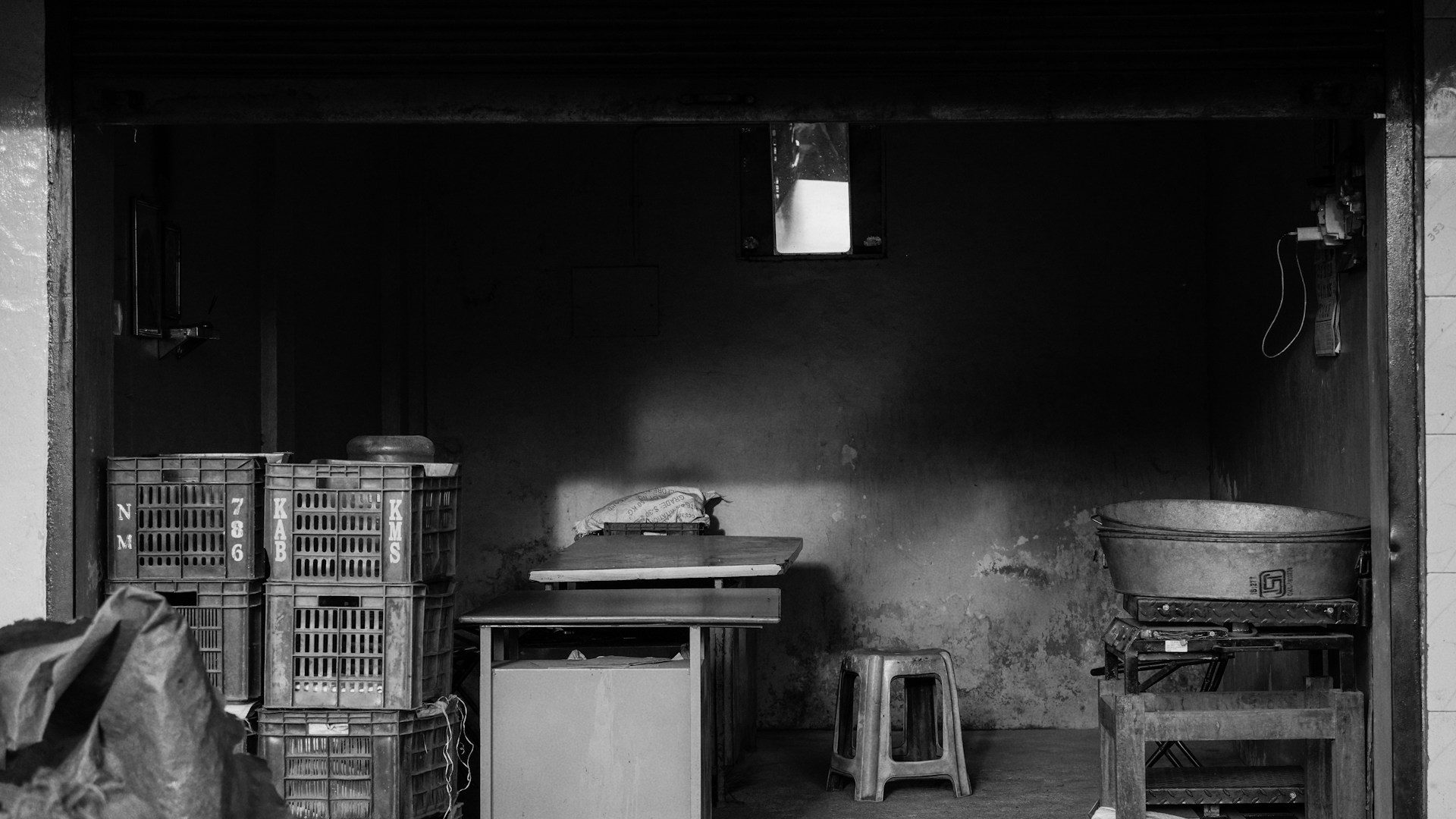
Garages and attics are the two spots in a house that most people treat as free storage. They are not. They are usually not heated or cooled the way the rest of your home is, they let in outside air, and they are where mice, insects and moisture love to settle in. If you have been stacking unlabeled boxes out there and hoping for the best, this is a good day to rethink it.
Why Garages and Attics Are Hard on Your Things
The trouble is simple. Heat, damp and pests are the three biggest enemies of stored belongings, and a garage or attic can offer all three. Heat bakes and warps things. Damp invites mildew and that musty smell that never quite washes out. Pests chew through cardboard like it is a snack.
Cardboard is the real culprit in most households. It soaks up moisture from the air and from a concrete floor, it softens, and the boxes at the bottom of a stack start to collapse under the weight above them. Worse, cardboard is a welcome mat for critters looking for a cozy nest. A box that looked fine when you taped it shut can be shredded on the inside by the time you open it again.
What Never to Store in a Garage or Attic
Some things simply do not belong out there. Here are the ones to bring inside, or at least rethink:
- Family photographs and albums. Heat and humidity can make photos stick together, curl and fade.
- Important papers such as tax records, deeds and insurance documents. Damp paper molds, and paper in an attic can be nibbled by pests.
- Fabric items like wedding dresses, quilts, baby clothes and holiday linens. Musty air and critters are hard on fabric.
- Books and sheet music, which absorb moisture and swell.
- Candles, which can soften or melt in the heat.
- Electronics, which do not enjoy swings in temperature or damp air.
- Pet food and bird seed, which draw mice and insects.
- Wooden furniture and musical instruments, which can crack, warp or swell as the air changes.
- Paint, which can be ruined by both heat and cold, and any chemicals whose labels say to keep them at moderate temperatures.
Also take a hard look at anything flammable. Gasoline, solvents and similar products come with storage directions on the label, so read them and follow them rather than tucking things wherever there is room.
How to Protect What You Keep
You do not have to empty the garage completely. Plenty of things handle it fine, such as tools, outdoor gear, camping equipment and sturdy plastic items. The goal is to store them smartly so they are still in good shape when you reach for them.
Start with the containers. Swap cardboard for sturdy plastic bins with tight-fitting lids. A lid that snaps shut keeps out dust, moisture and most pests far better than flaps of cardboard ever will. Choose bins that are the same shape so they stack neatly and do not topple.
Next, get everything up off the floor. Concrete can hold and wick moisture, and a garage floor can see water during a storm or when snow melts off a car. Metal or sturdy plastic shelving keeps your bins above the damp and makes it far easier to see what you have. Leave a little breathing room between the shelving and the wall so air can move and you can spot any trouble early.
Now, label everything. This is the step that saves the most grief. Write the contents clearly on the front and the side of each bin, and be specific. “Kitchen stuff” tells you nothing. “Holiday dishes and serving platters” tells you exactly what you will find. A simple list taped inside the garage door, or a note on your phone, lets you find things without tearing open every container.
Do a Check Every Season
Storage is not a set-it-and-forget-it job. Pick a regular time, such as the change of seasons, to give your garage and attic a quick look. Check for damp spots, musty smells, droppings, chewed material or any bin that has started to sag. Catching a leak or a mouse problem early costs far less than discovering it after everything inside has been spoiled.
It is also the perfect moment to ask yourself an honest question about each bin: do we still need this? Storage has a way of filling up with things that were never going to be used again. If a box has sat untouched for years, there is a good chance you could pass it along, sell it or donate it. Less stuff in the garage means better air flow, less to protect and fewer places for pests to hide.
A Simple Plan for This Weekend
If the whole garage feels like too much, start with one corner. Pull out the boxes, open each one and make three piles: keep, let go and bring inside. Anything precious or irreplaceable, such as photos, papers and heirloom fabric, should come into the climate-controlled part of your home, ideally in a closet or under a bed in a sturdy container. Anything you have not thought about in ages can head to a donation drop-off or a sale.
Then put the keepers into labeled plastic bins, lift them onto shelves and step back. That corner will look better, work better and protect your belongings far better than the leaning tower of mystery boxes ever did.
The bottom line is that a garage is a workspace and a parking spot first, and a storage unit a distant second. Treat it that way, keep your treasures inside where the air is calm and dry, and the things you cared enough to save will still be there when you need them.
More Stories You May Like
- Woman Who Makes at Least $1,000 at Every Garage Sale Shares Her Golden Rule, and It Means Never Putting an Individual Price Tag on Anything
- Five Ruthless Decluttering Tricks That Go Against Everything You Have Heard Are Shared by a Woman Who Used Them to Empty Her Packed Attic
- She Spotted What Looked Like A Seventy Five Thousand Dollar Ostrich Birkin On A Thrift Store Shelf And The Price Tag Twist Was Seven Dollars