


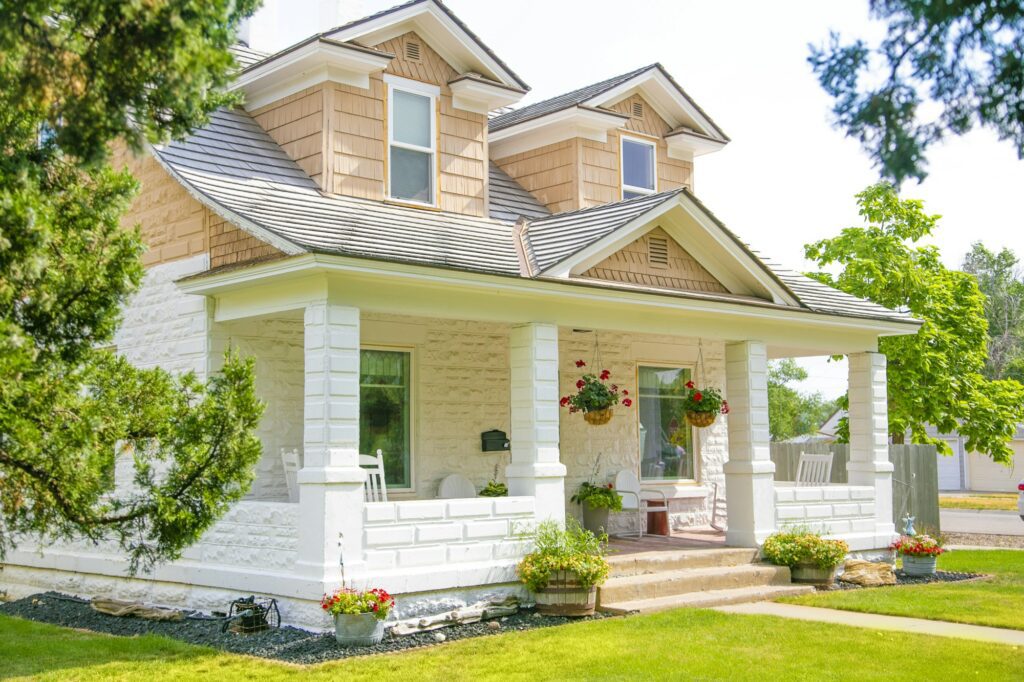
In June 2019, more than half of all homes listed for sale in the United States were priced under $350,000. Today, according to Realtor.com’s own inventory data, that share has fallen to just 37.6%, and the country has roughly 300,000 fewer entry-level listings than it did seven years ago. The National Association of Realtors’ own buyer research tells the same story from a different angle: first-time buyers made up just 21% of all home purchases in NAR’s most recent Profile of Home Buyers and Sellers, a record low since the survey began tracking the figure decades ago, and the typical first-time buyer is now 40 years old. A decade ago that median age sat in the low 30s. The starter home hasn’t just gotten more expensive. In a lot of markets, it has functionally stopped existing.
The Buyer Who Isn’t There Anymore
NAR’s data doesn’t just show fewer first-time buyers. It shows the ones who do buy are older, better capitalized, and leaning harder on family money than any generation the survey has captured. The median down payment among first-time buyers hit 10% this year, the highest share since 1989, and 22% of first-timers reported using a gift or loan from family to help fund it. Repeat buyers, meanwhile, now make up 79% of the market, with a median age of 62 and a 23% down payment, often funded by equity from a home they’ve owned for over a decade. NAR also found the median seller had stayed in their home 11 years before listing, an all-time high, which is part of why so little entry-level stock turns over in the first place.
Where the Under-$300K Homes Actually Went
Realtor.com’s research, which tracks active listing data across the country’s largest metros, pinpoints the mechanism. The typical starter home cost $256,000 in June 2019. By 2026 that figure had climbed to $344,000, an increase that outpaced overall home price growth. The income required to comfortably afford a starter home rose from $43,000 to $78,000 over the same stretch, an 81% jump. Two- and three-bedroom listings, the bread and butter of the entry-level market, saw prices rise 44.5% and 41% respectively since 2019. The result, per that same research, is that starter homes under $350,000 have effectively vanished as a realistic option in dozens of metro areas, not because builders stopped building small houses, but because so few of the existing ones ever hit the market, and the ones that do get bid up fast by buyers competing for a shrinking pool.

The Broader Market Isn’t Making It Easier
Nationally, prices aren’t cooling off enough to offset any of this. NAR’s own existing-home sales report for June 2026 put the median existing-home price at $440,600, up 1.8% from a year earlier and a new all-time high for the month. Total inventory stood at 1.56 million units, a 4.6-month supply, technically an improvement from the depths of the pandemic-era shortage but still well short of the 5-to-6-month supply that’s generally considered a balanced market. More inventory sitting for sale doesn’t help a first-time buyer much if almost none of it is priced where their budget actually lives.
The One Bright Spot, and Its Limits
Redfin’s own affordability tracking offers a rare piece of genuinely good news: the income needed to afford a typical starter home actually fell 1.5% year-over-year to $70,693 as of August 2026, the eighth straight month of improvement, as wage growth has modestly outpaced starter-home price appreciation in some markets. The gap between what the typical household earns and what a starter home requires widened to about $17,000 in the buyer’s favor, up from roughly $12,500 a year earlier. But that relief is uneven and, in expensive metros, barely registers. In Los Angeles, Redfin found, a household would still need to spend 51% of its income to afford a starter home, by far the worst ratio in the country. Only 22 metro areas nationwide currently have every starter listing affordable to a median-income household.
None of this means starter homes are gone everywhere, or that first-time buyers are locked out for good. But the data from NAR, Realtor.com, and Redfin all point the same direction: the bottom rung of the housing ladder has gotten narrower, older buyers are increasingly the ones who can still reach it, and closing that gap will take more than a few months of slower price growth.