


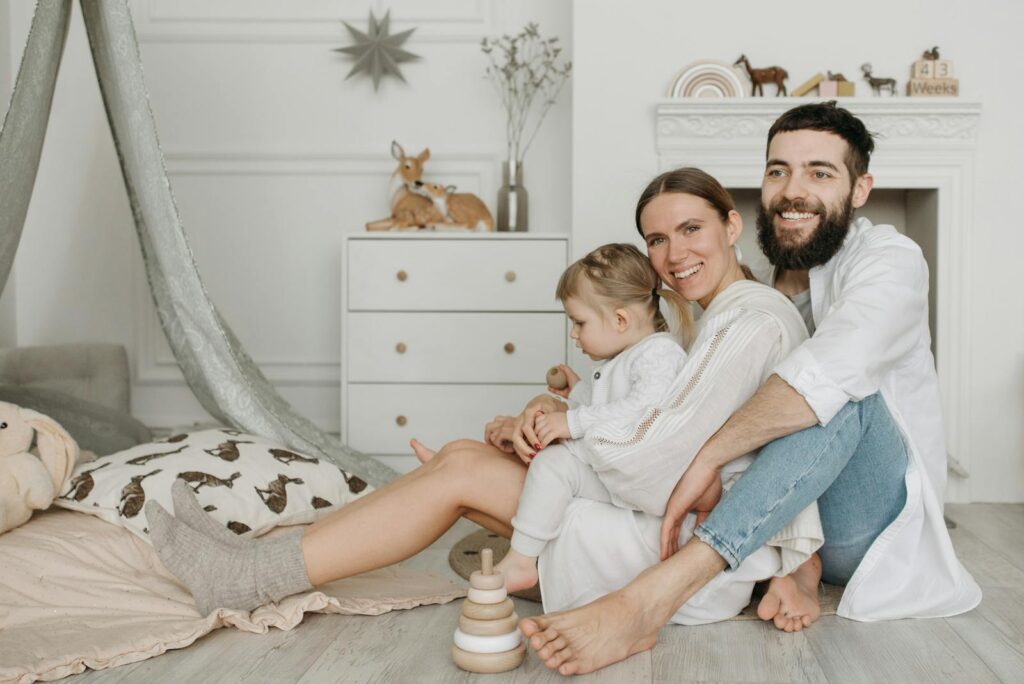
A lot of couples think they are supposed to “get back” to the version of marriage they had before kids.
That is usually where the frustration starts.
Because staying connected after children rarely looks like it did before. It is often less spontaneous, less carefree, and a lot more intentional. And that does not automatically mean something is wrong. Research has found that relationship satisfaction commonly dips during the transition to parenthood, especially in the first year, which is one reason so many couples feel surprised by how much more deliberate closeness has to become.
The shift a lot of parents are making now looks more grounded than glamorous. @itsjohnpage laying out a 90-day fertility reset with his partner got at the part many marriages recognize instantly: sometimes connection after kids looks less like date-night sparkle and more like chopping fruit together, making healthier choices, talking about the future, and feeling like you are finally pulling in the same direction again. The comments were basically a flood of people asking for the reset guide, which says a lot about how deeply that kind of shared-goal energy is landing right now.
Marriage After Kids Usually Stops Feeling Effortless
That is the part people do not always say out loud.
Once children are in the picture, a marriage can start running on logistics. School drop-offs. Sleep deprivation. Bills. Appointments. Whose turn it is to handle bedtime. At some point, it becomes easy to confuse functioning as a household with actually feeling close.
So when couples do start feeling connected again, it often comes through smaller, less obvious things. A shared health goal. A nightly check-in. A walk after dinner. Doing something future-focused together instead of only talking about what needs to get done tomorrow.
That is why these “reset” moments land so hard. They are not really about perfection. They are about finally feeling like a team again.
The “We’re On the Same Side” Feeling Matters More Than Grand Romance

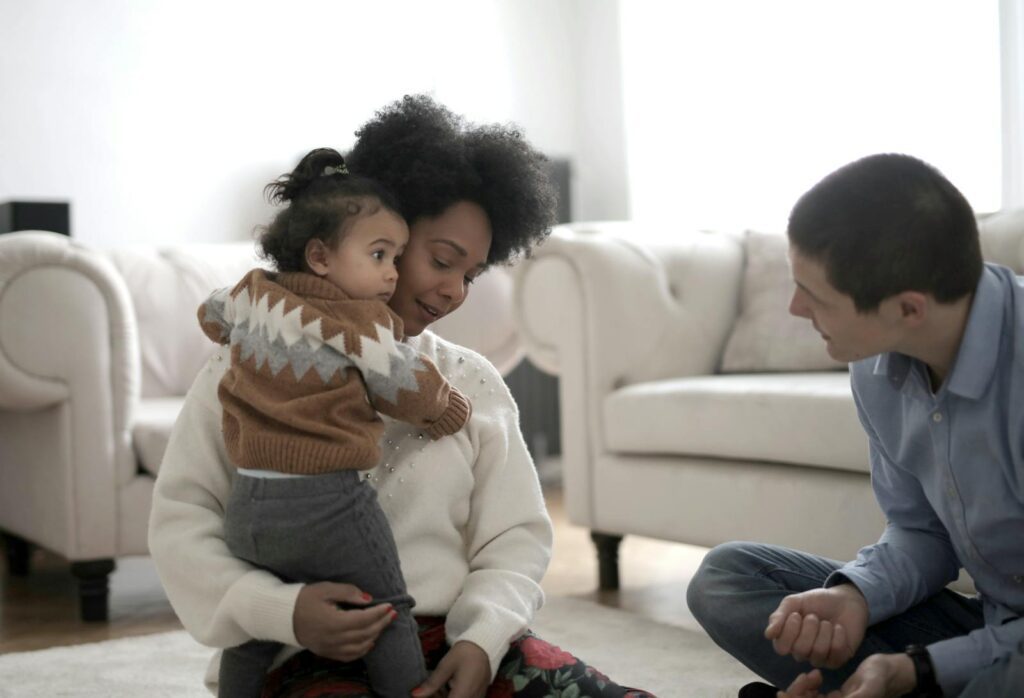
A lot of parents miss each other without realizing what they actually miss.
It is not always fancy dates or constant passion. Sometimes it is the feeling of being emotionally aligned. Feeling chosen. Feeling like both people still care about the same future.
That is part of why pre-pregnancy prep can hit differently for couples thinking about another baby. ACOG says prepregnancy care ideally starts at least three months before trying and includes things like nutrition, exercise, reviewing medications, and addressing health conditions. Male preconception health matters too: sperm development takes about 74 days, which is why experts often talk about a roughly three-month window for meaningful lifestyle changes before conception.
No single juice is magic, and no smoothie can guarantee fertility. But the bigger point behind the trend is real: when couples work toward something together, the relationship itself can start feeling stronger too. Preconception care is about health, but for many marriages it also becomes a way to reconnect on purpose.
What Closeness Often Looks Like Now
After kids, closeness usually stops looking effortless and starts looking intentional. It is often less about big romantic gestures and more about small, repeated moments that say, we still see each other. Long-term relationship research suggests that closeness is built through everyday responsiveness, shared routines, and emotional consistency, not just attraction or history alone.
Now, connection may look like checking in after bedtime, protecting a few rituals that belong to the marriage, making space for uninterrupted conversation, or noticing when your partner is overwhelmed before distance starts to grow.
That shift does not mean the relationship is weaker. Love changes across stages, and for many couples, closeness after kids becomes steadier, quieter, and more deliberate than it was before.
More from Decluttering Mom: