


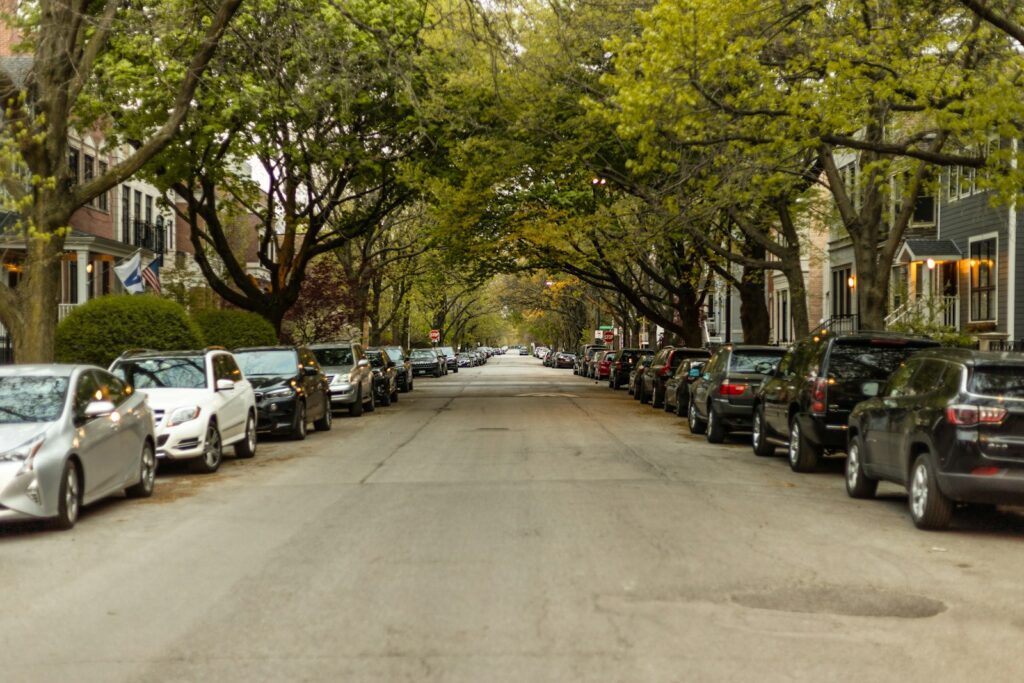
One neighbor was caught off guard when her seemingly innocuous choice of street parking spiraled into a string of puzzling events. After parking in front of a rental home on her quiet street, she was confronted by an irate neighbor who insisted that she couldn’t park there. The confrontation quickly escalated, with the angry neighbor doing her best to block the car. Despite the ruckus, she parked anyway, but later that night, her car was broken into—an incident she considered perhaps a mere coincidence.
Things took a turn for the worse when she found herself receiving tickets for various parking violations. The first ticket she got was for wrong-way parking. It stung a bit, but she paid it, knowing that she was indeed at fault. However, what was unsettling was that she was the only one on her block ticketed that evening, despite several other cars facing the same direction. Shortly after, she received another ticket for being too far from the curb. After measuring, she found that she was within legal limits, needing to go to court to contest the fine.

Two days later, another ticket appeared on her windshield, this time for parking too close to a stop sign. As it happened, her car was actually 200 feet away from the sign, but once again, she was the only one on the block to be ticketed. Caught in this odd trend, she took photos as evidence, yet she remained anxious about the need to appear in court again. Just to add to her confusion, she noticed her neighbor taking pictures of her car one morning, raising suspicions that perhaps the neighbor was reporting her to the authorities.
This neighbor, who had a daughter in law enforcement, added another layer of unease to the situation. With the escalating nature of the tickets, the parent considered switching parking spots with her roommate, and surprisingly, the tickets stopped coming. Yet she was left with a nagging problem: should she confront the neighbor and ask about what was happening? Or report her suspicions of harassment, even though she had no solid proof of wrongdoings?
People had very different reactions to her story. Some users encouraged her to document everything meticulously, noting that if the neighbor was indeed involved in calling in those reports, it could be seen as harassment. Others suggested that she should confront her neighbor directly to clarify the situation, but warned that it could lead to further tension. The opinions varied widely, with some asserting that she should simply continue to park legally and ignore her neighbor’s complaints, as the law was on her side.
There were a few who thought that the complaints didn’t seem to warrant involvement from law enforcement, perhaps indicating that the neighbor was overstepping her bounds. Others pointed out that neighbors often had an inflated sense of ownership over the spaces in front of their homes, regardless of the legality of parking there.
This neighbor’s ordeal pointed to a larger issue of how people navigate shared spaces and the often unspoken rules that arise in residential areas. The entire situation made her feel uncomfortable and confused, highlighting the fine line between assertiveness and harassment that can exist in neighborly interactions. In contemplating whether she should still go to court for the tickets or just move on, many were left wondering how best to handle the tensions that can spring up in close-knit communities. Could reaching out to the neighbor help or only complicate things further? How far can one go in claiming their rights without inadvertently stoking conflict?
More from Decluttering Mom: