

You can stop a patchy summer lawn before it spreads. Cutting grass too short stresses each plant, weakens roots, and opens the door to bare patches, weeds, pests, and brown or dead patches—so your “quick trim” can quickly turn a tidy yard into a thin, patchy lawn.
Keep your mower higher and mow more often to avoid stripping leaf area and damaging crowns; this simple change prevents many common causes of a sparse, uneven yard and makes repairs like overseeding and targeted fertilizing work faster.
This post explains why short mowing triggers bare spots and what to do about it, from identifying underlying problems to repairing patchy grass effectively so your lawn recovers instead of declining.

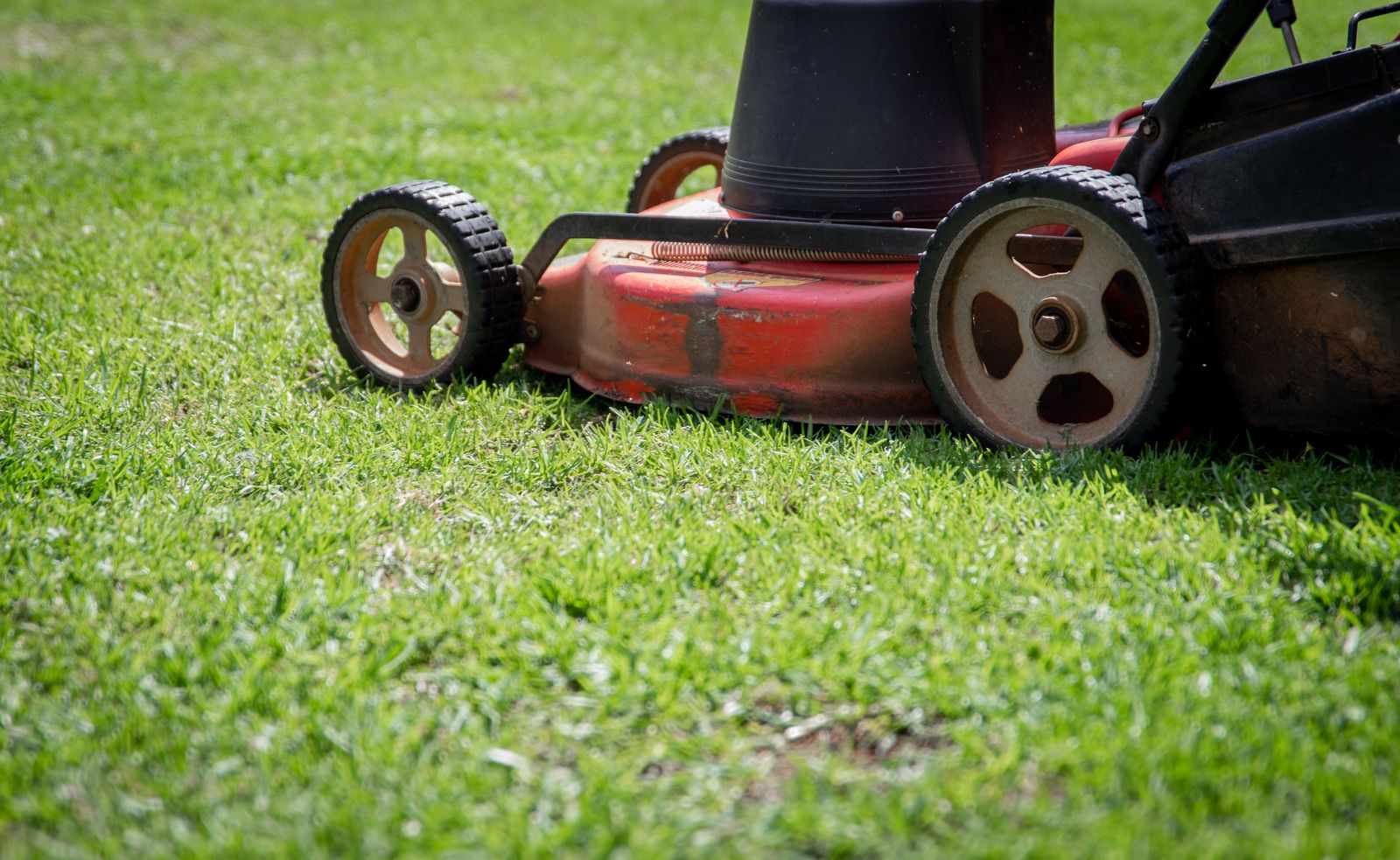
Why Cutting Grass Too Short Creates Patchy Lawns
Cutting grass too short reduces leaf area, weakens roots, and leaves soil exposed — conditions that invite pests, disease, and heat damage. Small mistakes at mowing time compound quickly, turning a once-thick lawn into scattered brown and bare patches.
Scalping and Its Impact on Grass Health
Scalping happens when you remove most of the green leaf blade and expose the brown stems or soil beneath. That loss of photosynthetic tissue forces the plant to use stored energy to regrow leaves instead of maintaining roots. Weaker roots mean less water uptake and poor recovery from heat or drought, which often shows as thin, patchy grass or dead patches.
Cool-season grasses such as Kentucky bluegrass, tall fescue, and perennial ryegrass tolerate scalping poorly in summer because they rely on deeper roots to survive heat. Warm-season types like St. Augustine and bermuda can also suffer when scalped during active growth, producing bare spots that invite weeds.
Heat Stress and Sun Exposure After Mowing Short
When you mow too short in hot months, the remaining crowns sit closer to direct sunlight and the soil heats up faster. Increased soil temperature raises evaporation, so your watering schedule must deliver more frequent, deeper water to prevent wilting blades and brown patch formation.
Short grass also exposes more soil to sun and foot traffic, compacting the surface and reducing oxygen to roots. That accelerates stress on species like fine fescue and perennial ryegrass, producing patchy lawn areas that remain thin even with normal irrigation.
Compounded Damage from Mowing Mistakes
One mowing mistake often leads to another. If you habitually cut more than one-third of blade length, you force frequent recovery cycles that exhaust root reserves. That makes your lawn more vulnerable to pests, fungal diseases, and recurring bare spots.
Allowing grass to grow too long between cuts, then cutting it very short, creates an extreme swing that tears blades and leaves clumps of clippings. Those clumps can mat and block sunlight, worsening patchy grass. Maintain a consistent mower height—around 3 to 3½ inches for many lawns—to minimize repeated stress.
Dull Mower Blades and Additional Lawn Stress
Dull mower blades tear rather than cleanly cut grass, leaving ragged blade edges that lose water faster and bruise plant tissue. Those injuries give pathogens an entry point, increasing risk of brown patch and other diseases that produce dead patches.
You can reduce this damage by sharpening blades every 20–25 hours of use and checking blade balance. Clean, sharp blades also produce finer clippings that mulch back into the lawn, helping retain soil moisture and reducing visible patchiness after mowing.
Underlying Causes and Effective Repairs for Patchy Summer Lawns
You’ll find that most patchy summer lawns stem from compacted or poor soil, pest or fungal damage, and improper watering or mowing. Fixes focus on restoring soil health, removing pests or disease, and repairing bare spots with seed plus good seed-to-soil contact.
Soil Compaction and Foot Traffic Effects
Compacted soil prevents oxygen, water, and nutrients from reaching roots, so grass thins and bare spots appear. Heavy foot traffic across play areas, pathways, or near garden beds compresses the top 2–4 inches of soil, which is where turf roots need to grow.
Look for turf that lifts like a carpet or drains poorly after rain. Aeration (core removal) relieves compaction; rent a core aerator or hire a pro in late spring or early fall for cool-season grasses such as Kentucky bluegrass, tall fescue, perennial ryegrass, or fine fescue. After aerating, apply a thin layer (1/4–1/2 inch) of topsoil or compost into the holes to improve structure and add microbes.
Limit traffic while new roots establish. Use stepping stones, move play areas, or install a temporary barrier until the lawn recovers. Avoid mowing when soil is wet; that increases compaction and tears turf.
Common Pests, Diseases, and Fungal Threats
Grubs, chinch bugs, and sod webworms chew roots or blades and leave irregular dead patches that roll up like carpet in severe cases. Inspect by cutting a small square of turf—grubs look like white C-shaped larvae; chinch bug damage appears as rapid yellowing in sunny patches.
Fungal diseases—dollar spot, brown patch, red thread and other fungal outbreaks—flare in hot, humid weather or with overwatering. Dollar spot makes small straw-colored spots; brown patch creates circular brown rings in warm-season grasses. Reduce disease risk by watering deeply once or twice weekly early in the morning and by avoiding nitrogen-heavy late-afternoon fertilizer applications.
Treat insects with targeted grub control or insecticide timed to life cycles and use a professional diagnosis for severe outbreaks. For fungi, improve air circulation, raise mowing height within recommended ranges, and remove clippings if disease is active. Fungicides can be used selectively when cultural controls fail.
Soil Quality, pH, and Nutrient Deficiencies
Poor soil quality or imbalanced pH limits nutrient uptake and yields thin, patchy turf. Test your soil with a kit or extension lab to check pH and nutrient levels before adding lime or sulfur. Kentucky bluegrass and tall fescue prefer near-neutral pH; St. Augustine and many warm-season grasses tolerate slightly different ranges.
If the test shows low organic matter, topdress with 1/4–1/2 inch of compost or quality topsoil after aeration. Correct specific nutrient deficiencies with a starter fertilizer or balanced feed based on test results—avoid over-fertilizing, which can burn roots and worsen patchiness. Maintain a thatch layer under 1/2 inch; dethatch mechanically if thicker to restore water and nutrient flow.
Use region-appropriate seed: cool-season blends for your cooler climates and varieties like St. Augustine or zoysia for warm-season lawns.
Smart Repair Steps: Aeration, Seeding, and Watering
Start by aerating compacted areas to open channels for roots and improve seed-to-soil contact. Remove plugs or leave them to break down; then rake to loosen soil in bare spots. Add a thin topsoil/compost mix to low spots before seeding.
Overseed or reseed using high-quality seed matched to your grass type. Spread seed at recommended rates, then press seed into soil with a rake or roller to ensure seed-to-soil contact. Apply a starter fertilizer labeled for new seed to encourage germination and early root growth.
Water lightly and frequently for the first 10–21 days to keep the seedbed moist—typically 2–3 short sessions per day—then switch to deeper, less frequent waterings (1–1.5 inches per week) once seedlings reach about 2–3 inches. Avoid overwatering; constant soggy soil invites fungal disease.
Control weeds with spot treatments: use pre-emergent herbicide in spring where needed, and post-emergent herbicide for existing weeds only after new turf is established. Repair pet-damaged spots by replacing soil and reseeding, and adjust mowing height—never cut more than one-third of blade length—to reduce shock and support recovery.