

Few things frustrate diners like a charge they did not expect. A Tampa restaurant is now at the center of a heated conversation after a customer noticed an extra fee on a takeout order and asked about it. @martyzimmer0 shared a news style summary of what happened and how people responded.

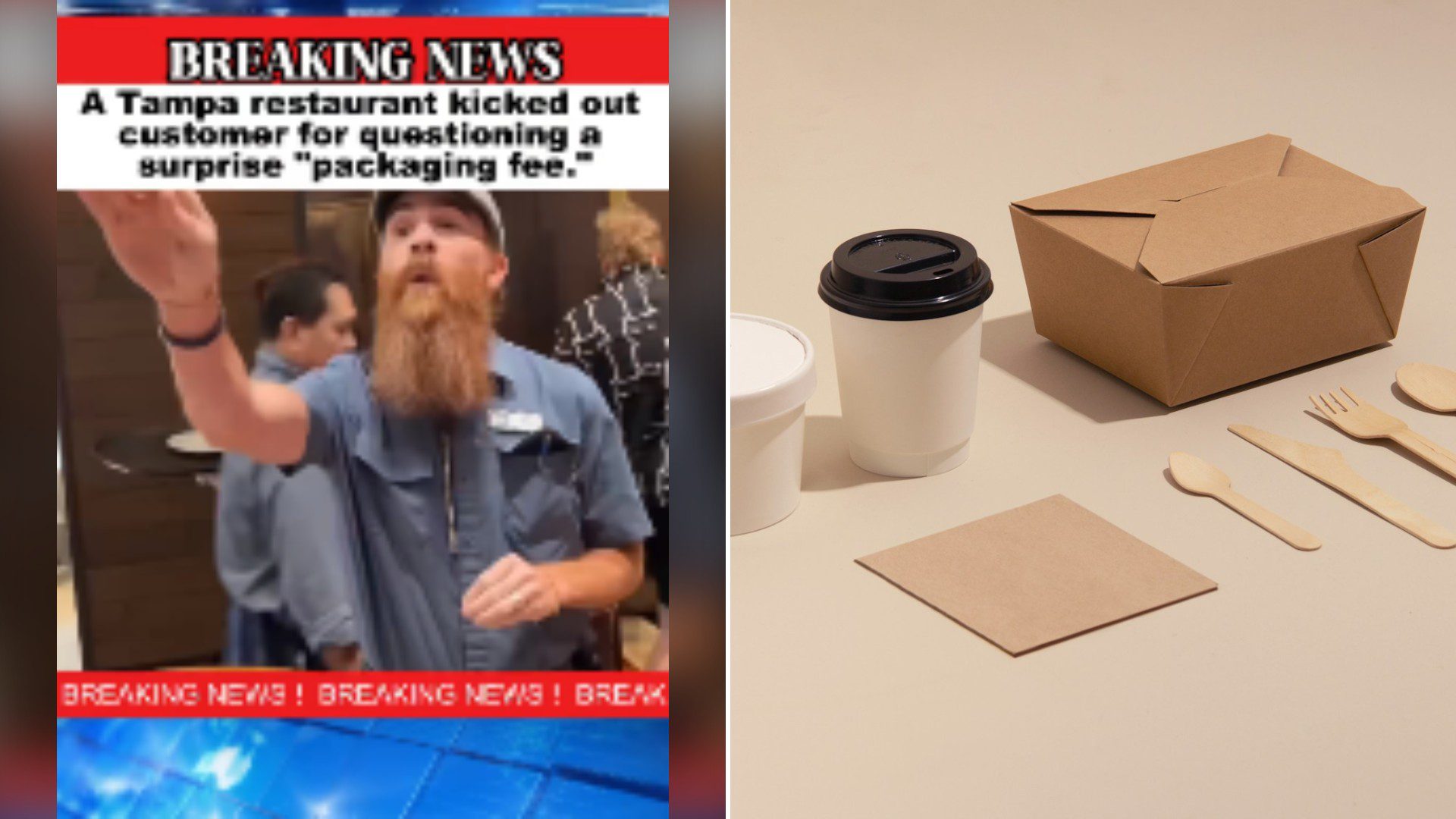
The creator’s account is brief, and the details are limited, so the story leaves plenty of room for discussion. Below is what was shared, followed by general advice about service fees and how customers and owners can handle questions about them.
@martyzimmer0
An Unexpected Charge on a Takeout Order
According to the creator, the customer ordered takeout from the Tampa restaurant and then found a packaging fee on the bill that she had not expected. Instead of simply paying and leaving, she did what many people would do. She asked the staff to explain the charge, and she did so politely.
Nothing in the creator’s summary suggests that the customer raised her voice or made demands. The question was a simple one: what is this fee for?
The Owner Orders Her Out
The creator said the owner responded aggressively and immediately ordered the customer to leave. The customer insisted that she had only asked a simple question, yet she was met with what the creator described as extremely hostile behavior.
The summary does not include the owner’s side of the story, so it is not known what was said on the other end or why the exchange escalated so quickly. What is clear is how the customer experienced it: she asked about a fee and was told to go.
A Divided Response
As the story spread, the creator said the public response split into two camps. Some people argued that takeout packaging fees are fairly common. Their reasoning was that staff members must pack each order and that customers rarely tip on takeout, so the fee helps cover the work.
Critics strongly disagreed with that defense. They believe fees like this should be shown up front on the menu rather than appearing for the first time on the bill. In their eyes, kicking someone out for asking about a charge was completely uncalled for. According to the creator, many people now plan to boycott the business entirely and would rather spend their money at places with transparent pricing.
What Packaging Fees Usually Cover
Takeout fees are generally meant to cover the cost of containers, bags, utensils and the labor of packing an order. Some restaurants add them as a flat charge, while others fold the cost into menu prices. Because rules about disclosure differ by state and city, a customer who sees an unfamiliar line item is within reason to ask where it comes from.
Tips for Customers Facing Unexpected Fees
Fee rules and practices differ widely, so these are general suggestions. If you believe a charge is improper, a local consumer protection office can explain what applies where you live.
- Check the menu and the online ordering page before you pay. Many restaurants list fees at checkout.
- Ask your question calmly and respectfully. A friendly tone gives staff the best chance to respond in kind.
- Ask where the fee is described, for example whether it appears on the menu, the website or a posted sign.
- Keep your receipt so you can refer to the exact charge later.
- If the conversation becomes tense, step away rather than argue. You can follow up by phone or in writing later.
- Consider tipping on takeout if you can, particularly when staff have carefully packed a large order.
- If you disagree with a policy, you can choose not to return and can share honest feedback with the business directly.
Tips for Owners Who Charge Fees
Restaurant margins can be thin, and many owners add small fees to cover real costs. The story shows how important it is to communicate those fees clearly.
- Place fees on the menu, the ordering page and signs near the register so nothing comes as a surprise.
- Train staff with a short, friendly explanation they can give when a customer asks.
- Treat questions as a chance to build trust. A calm answer costs nothing and can keep a regular customer.
- Check with local rules or an adviser about how extra charges should be disclosed.
Keeping Disagreements Civil
Disputes over small charges tend to escalate when either side feels disrespected. A customer who stays calm and a staff member who answers plainly can usually settle things in under a minute. If a question cannot be resolved at the counter, a manager, a follow up call or a short written note is a better path than a heated exchange, and it leaves a record if the issue needs to go further.
Why a Simple Question Matters
The debate over packaging fees will likely continue, and people will land in different places. Some see them as a fair way to cover work and materials. Others see them as a hidden add on. But most agree on one point: asking what a charge is for is a reasonable thing to do. Whether it is a few dollars on a takeout bag or a larger line on a bill, a clear answer builds goodwill, while a sharp response can turn one question into a story that many people hear.