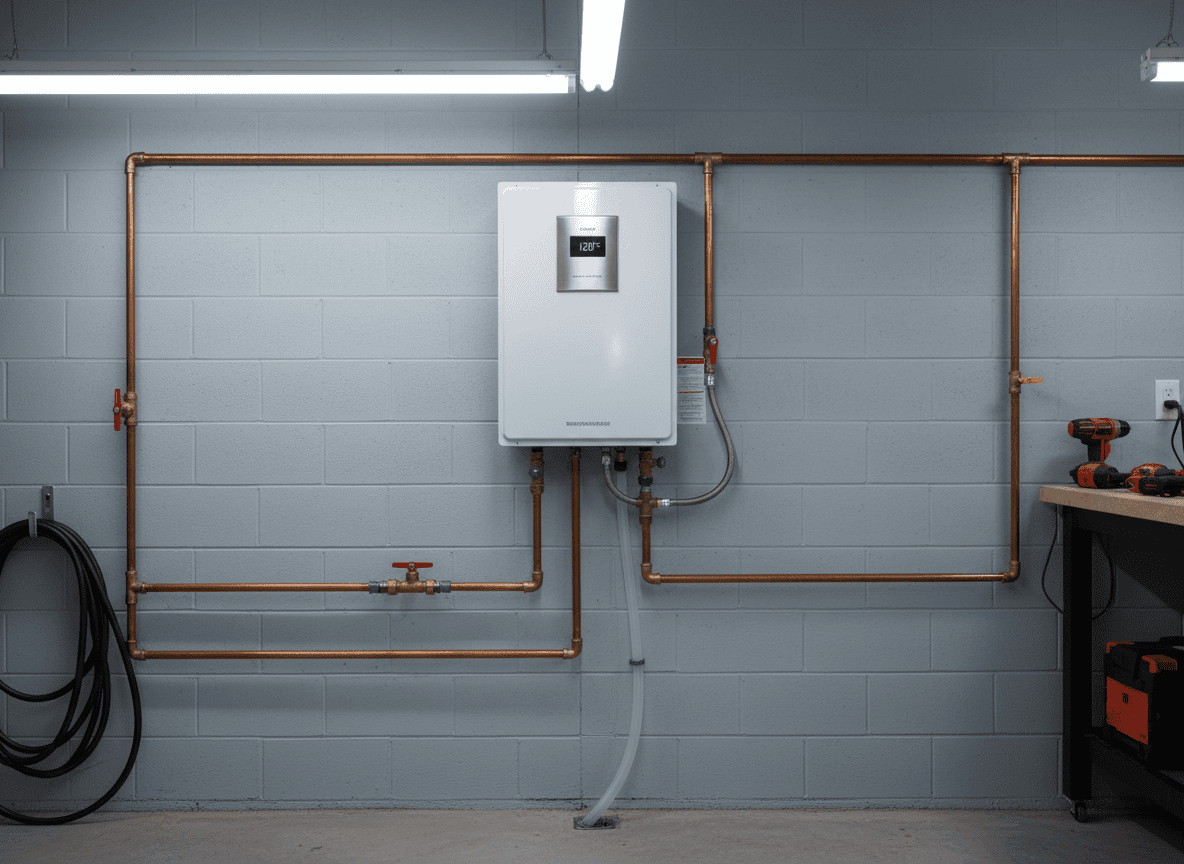
A tankless water heater typically costs between $3,000 and $6,500 fully installed, compared with $1,700 to $3,200 for a traditional 50-gallon tank, according to contractor pricing data compiled by C&C Air Conditioning, Heating, Plumbing & Electric. That puts a tankless system at roughly 76% to 103% more expensive upfront, which is close enough to double that most homeowners hear the quote and immediately rule it out. What that comparison leaves off, though, is what happens over the next decade, and that’s the part contractors say actually decides whether the higher price makes sense.
The Upfront Gap Is Real
Separate research from Angi puts the average installed cost of a tankless unit at $2,640, with a typical range of $1,406 to $3,901 once labor is included, a slightly lower midpoint than the C&C figures but still well above what most tank installations run. Part of that gap comes from more than just the unit itself: tankless systems often require upgraded gas lines, new venting, and sometimes electrical work that a straightforward tank swap doesn’t need, since the tank is simply replacing a unit that already had all of that infrastructure in place.
Where the Savings Actually Come From
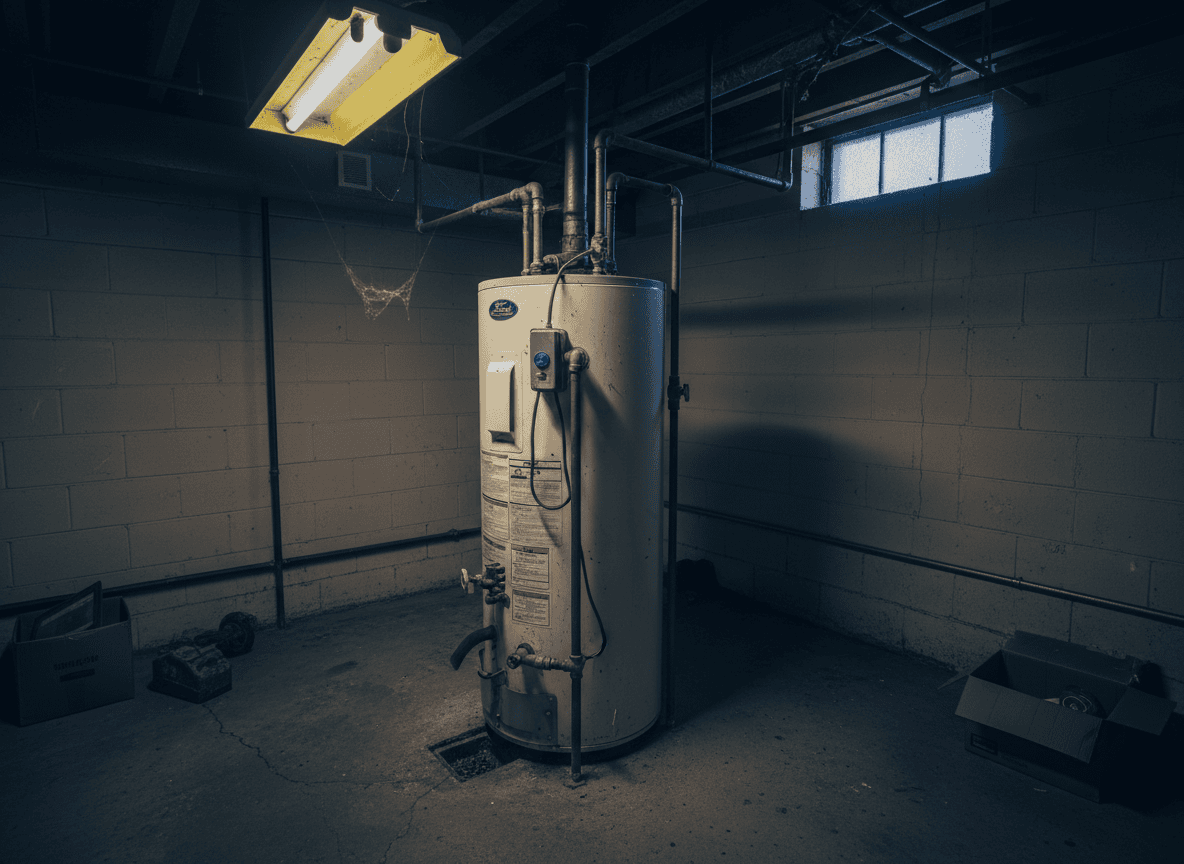
Tankless units heat water on demand instead of keeping 40 to 50 gallons hot around the clock, which eliminates the standby heat loss that a storage tank incurs even when nobody is running the faucet. According to Department of Energy figures cited by Angi, gas tankless water heaters can lower energy costs by about $100 per year compared with a gas tank unit, while electric tankless models save roughly $50 annually. C&C’s analysis frames those annual savings alongside a second factor that matters just as much: tankless units are commonly rated to last 20 years or longer, roughly double the 10 to 13 years typical of a tank system, so a household comparing the two isn’t just comparing energy bills but comparing how many replacement cycles a tank owner will pay for in that same span.
When the Break-Even Point Actually Lands
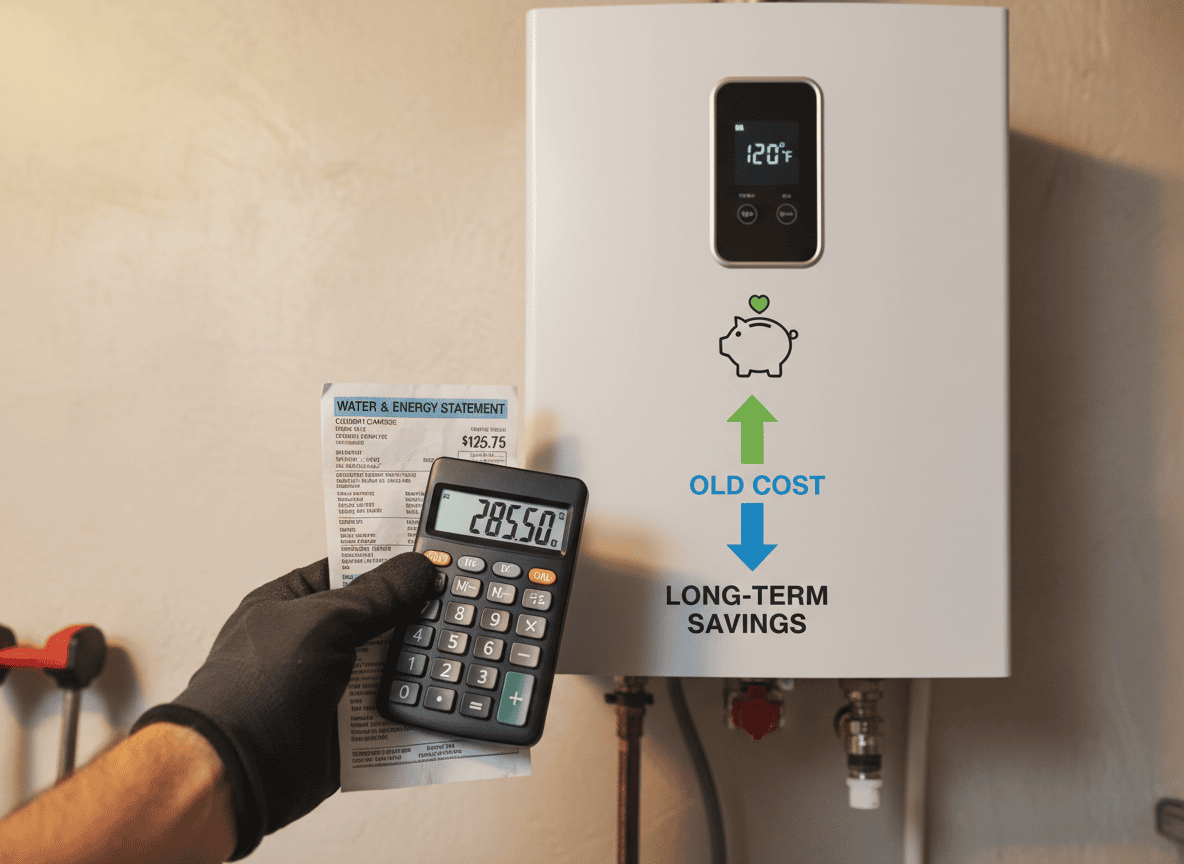
Based on cumulative energy savings and avoided replacement costs, C&C’s analysis places the break-even point for a gas tankless system at 11 to 14 years, the point at which the higher upfront cost is fully offset. Given that a tank system usually needs replacing once or even twice within a tankless unit’s expected 20-year lifespan, that break-even often lands well before the tankless unit reaches the end of its own service life, while a tank owner is potentially back to a new upfront cost of their own. Over a full 20-year ownership window, the same analysis estimates total cost of ownership for gas tankless systems at $12,480 to $18,220, compared with $16,250 to $22,480 for a traditional gas tank replaced along the way.
The Non-Financial Factors That Tip the Decision
Cost isn’t the only variable contractors weigh when a homeowner asks about switching. A tank system needs a closet or utility space large enough for a 50-gallon cylinder, while a tankless unit mounts flat against a wall and frees up that floor space entirely, which matters more in smaller homes or condos than the spec sheet suggests. Tankless units also don’t run out of hot water mid-shower the way a tank can once its stored supply is depleted by a full house doing laundry, running a dishwasher, and showering at the same time. None of that shows up in a cost-per-year calculation, but plumbers say it’s frequently the detail that finally convinces a household to pay the higher upfront price once they’ve already decided the math works.
Why the Timeline Surprises Homeowners
Most people pricing a water heater are reacting to an emergency: the old tank failed, and a plumber is standing in the basement waiting for a decision. In that moment, the math that matters is the number on the estimate, not a 20-year ownership projection, so the tank almost always wins the on-the-spot comparison. The homeowners who end up with tankless systems are more often the ones who priced it out ahead of a failure, when there was time to weigh a decade-plus of lower operating costs against a bigger check upfront rather than making the call under pressure.
The sticker price was never really the full number. It’s the first years of a much longer bill that a tank quietly keeps sending long after a tankless system would have already paid for the difference.