


Across classrooms, teachers keep describing the same pattern: parents stepping in to smooth every bump, fix every problem, and shield children from any discomfort. What feels like love in the moment is, in their view, quietly eroding kids’ resilience, behavior, and learning. The core warning is blunt: when adults overprotect and overperform for children, those children arrive at school less able to cope, less willing to try, and more likely to fall apart when life stops bending to their will.
Educators from elementary schools to high schools say this is no longer a fringe concern but a daily reality that shapes everything from homework to discipline. Their message is not that parents care too much, but that the way that care is expressed, through constant rescue and coddling, is making it harder for kids to grow into capable, confident people.
The One Thing Teachers Say Parents Keep Doing

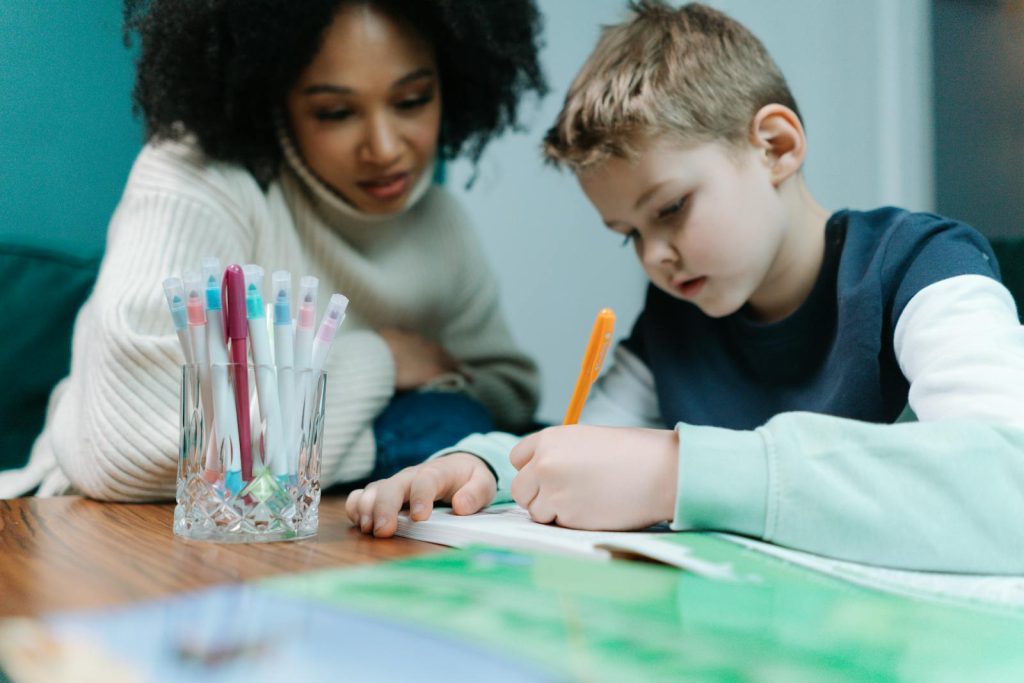
Ask teachers what is undermining students the most and a single theme surfaces again and again: parents are rushing in to rescue children from the natural consequences of their own choices. Instead of letting a forgotten assignment become a hard lesson, some adults email, argue, or even complete the work themselves so their child never has to feel the sting of a low grade. In viral accounts from classrooms, educators describe parents who excuse chronic disrespect, demand exceptions to basic rules, or insist that their child is too sensitive to hear the word “no.”
That pattern was captured starkly when a Frustrated middle school educator described how parents “coddling and enabling their children” had turned routine classroom management into a constant battle. Another widely shared post from a Facebook account by teacher Julie Marburger, who was identified as 45 years old, echoed the same plea. She described students who ignored instructions, destroyed classroom materials, and then faced no pushback at home, because their parents were more inclined to blame the school than hold their children accountable.
From Viral Rants to a Broader Pattern
Individual stories might be dismissed as isolated venting, but the consistency of what teachers describe suggests a broader cultural shift. When one educator’s post about parents refusing to let their children fail went viral, it resonated with colleagues who said they were seeing the same thing in their own districts. The language was strikingly similar: adults “coddling and enabling,” children arriving at school with a sense that rules are optional, and teachers left to enforce boundaries that are not reinforced at home.
In one widely shared account, a Teacher pleaded that “People absolutely HAVE to stop coddling and enabling their children,” a line that captured the exasperation of educators who feel undermined by the very adults whose support they need. Coverage of that viral moment noted how parents’ reactions ranged from defensive to grateful, but the core message, that this pattern was hurting kids, was hard to ignore. A related report from Houston underscored that the rant was not just about one classroom, but about a system in which educators are expected to deliver high academic results while being stripped of basic authority.
How Coddling Shows Up at Home and in Class
Teachers say this overprotective pattern shows up in small, everyday choices that add up. A child forgets their lunch or Chromebook, and instead of letting them manage the consequence, a parent leaves work to deliver it. A student talks back or disrupts class, and instead of backing the teacher’s consequence, a parent demands that the punishment be softened because their child was “having a hard day.” Over time, children learn that adults will step in to erase discomfort, so there is little incentive to change their behavior.
One educator quoted in a collection of hard truths for parents described families who ask for constant exceptions, then are shocked when their children struggle with peers or future bosses who will not bend the same way. Another teacher, speaking in a separate roundup titled Actively Harming Your and Well Being, warned that constantly smoothing the path can leave kids anxious and fragile, because they never get to practice handling frustration while the stakes are still low.
Homework Help or Homework Takeover?
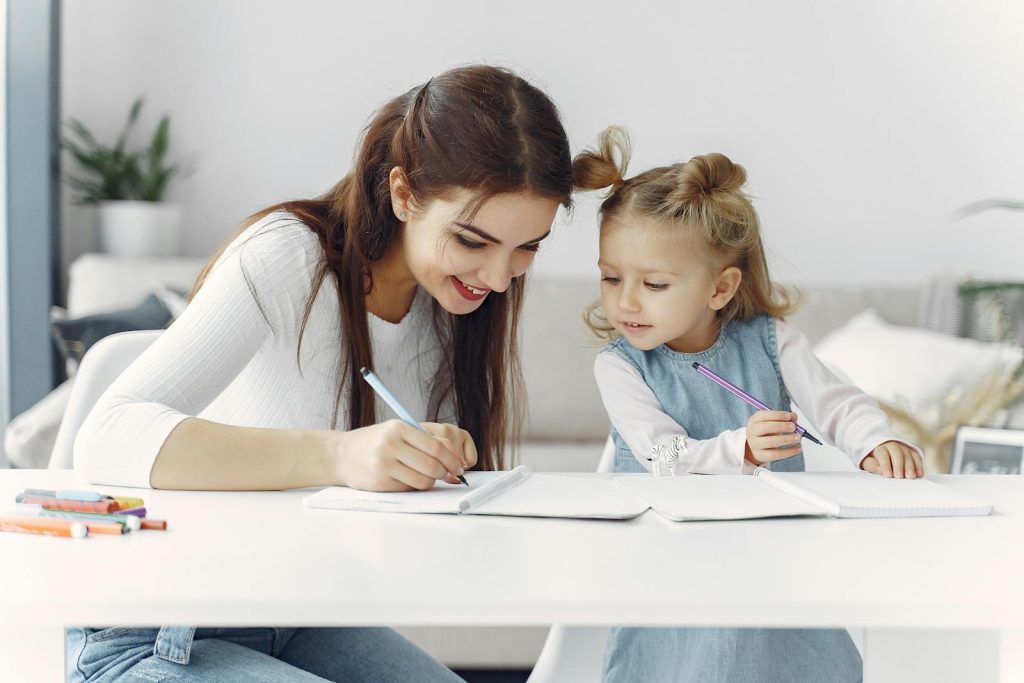
Nowhere is this rescue reflex more visible than in homework. Educators report parents logging into online portals to correct every answer, rewriting essays, or outright completing projects so their children can turn in polished work. It may feel like support, but teachers argue it deprives kids of the very practice they need to master skills. When a child never struggles through a math problem set or wrestles with a rough draft, they miss the chance to build persistence and confidence in their own abilities.
One analysis aimed at families spells it out plainly: Your kid needs to practice to get better, and when parents complete the work, they are “robbing them of potential learning.” A companion piece on the same theme notes that when adults take over assignments, they are not only undermining skill development but also sending a quiet message that the child is not capable. That dynamic is reinforced in a second reference to the same guidance, which stresses that Your kid learns more from imperfect, independent work than from a flawless assignment completed by an adult.
Phones, Social Media, and the New “Third Parent”
Teachers also point to smartphones and social media as amplifiers of the coddling problem. When a child is upset, it can be tempting to hand over a device to stop the tears, but educators say that habit is training kids to self-soothe with endless scrolling instead of learning to regulate their emotions. In classrooms, that reliance on screens shows up as constant distraction, difficulty focusing on non-digital tasks, and a hair-trigger need for stimulation.
One Viral classroom video captured a teacher criticizing children’s excess use of social media and asking bluntly, “How badly is this hurting them?” A related clip hosted on How a local station framed the debate showed educators describing phones as a “third parent” that is always available to distract, entertain, or validate. When parents do not set limits, teachers say they are left trying to compete with TikTok and Instagram for students’ attention, while also managing the social fallout of online drama that spills into school.
Safety Obsession and the Fear of Letting Kids Struggle
Behind much of this overprotection is a genuine fear for children’s safety. Parents are bombarded with warnings about dangers, from traffic to strangers to online predators, and the instinct to shield kids from harm is understandable. Yet some researchers argue that the pendulum has swung so far toward risk avoidance that it is now harming development. When children are never allowed to walk to a friend’s house, climb a tree, or navigate a playground disagreement without adult intervention, they miss critical chances to build judgment and resilience.
A Parents “obsession with safety” was described by a Boston College professor who warned that children can “fall apart” when they have not had enough freedom in play. Reporter Juli McDonald noted that the expert, speaking in Jul, linked this lack of unstructured play to rising anxiety and a reduced ability to cope with setbacks. Teachers see the downstream effects when students melt down over minor frustrations because they have had so few chances to practice handling them.
Discipline, “No,” and the Vanishing Boundary Line
In the classroom, the consequences of constant rescue show up most clearly around discipline. Educators describe students who are shocked to hear “no,” who argue with every instruction, or who treat basic rules as optional. When those students face consequences, some parents respond not by reinforcing the boundary but by challenging it, emailing administrators or confronting teachers to demand that their child be exempted. The result, teachers say, is a generation of kids who have learned that if they push hard enough, an adult will eventually cave.
One substitute teacher, quoted in a collection of They “very disturbing realities,” put it bluntly: kids need to hear “no” and they do not respect authority when they never encounter firm limits. That teacher added that Parents are letting phones and computers raise their children, which makes it even harder to enforce boundaries in person. In a separate account, an educator identified as Anonymous, 34, from Virginia, pleaded with Parents to stop posting “cute” videos of their child’s tantrums, warning that When adults treat defiance as entertainment, children learn to see it as a performance rather than a behavior that needs to change.
What Teachers Wish Parents Would Do Instead
Despite the frustration in many of these accounts, teachers are not asking parents to be harsher or less loving. They are asking for a different kind of support, one that pairs warmth with clear expectations. That starts with allowing children to experience manageable failures, like a low grade on an assignment they rushed through or the natural consequence of forgetting their sports gear. When parents resist the urge to intervene, they give kids a chance to connect actions with outcomes and to practice fixing their own mistakes.
Educators also urge families to partner with schools rather than treating them as adversaries. That can mean backing reasonable classroom rules, limiting screen time on school nights, and modeling respectful disagreement when conflicts arise. Collections of teacher testimonies, including the Oct roundup that began with the word Coming, emphasize that when parents and teachers present a united front, children are more likely to take responsibility and less likely to play adults against each other.
Tools, Resources, and a Path Back to Independence
For parents who recognize themselves in these patterns, there are practical tools to shift course without abandoning support. School-based resources highlight “Community and Support Networks” that can help families navigate behavior and learning challenges. One counseling page points to the Community and Support section, which includes the National PTA and notes that it Provides tips for raising children at different stages. These kinds of resources can help parents set age-appropriate expectations and understand what healthy independence looks like in elementary, middle, and high school.
Other guidance focuses on how to “Enrich learning through books, educational videos, or platforms like Enrich Britannica Kids,” and stresses that Britannica Kids can be a tool for Encouraging children to explore reliable resources on their own. Another analysis of school systems urges families to use Parent Advocacy and to learn how schools operate, so they can advocate effectively without micromanaging every assignment. Together, these tools point toward a middle path: parents who are informed and involved, but who resist the urge to do everything for their children, giving them room to grow into the capable, resilient people teachers know they can be.
More from Decluttering Mom: