


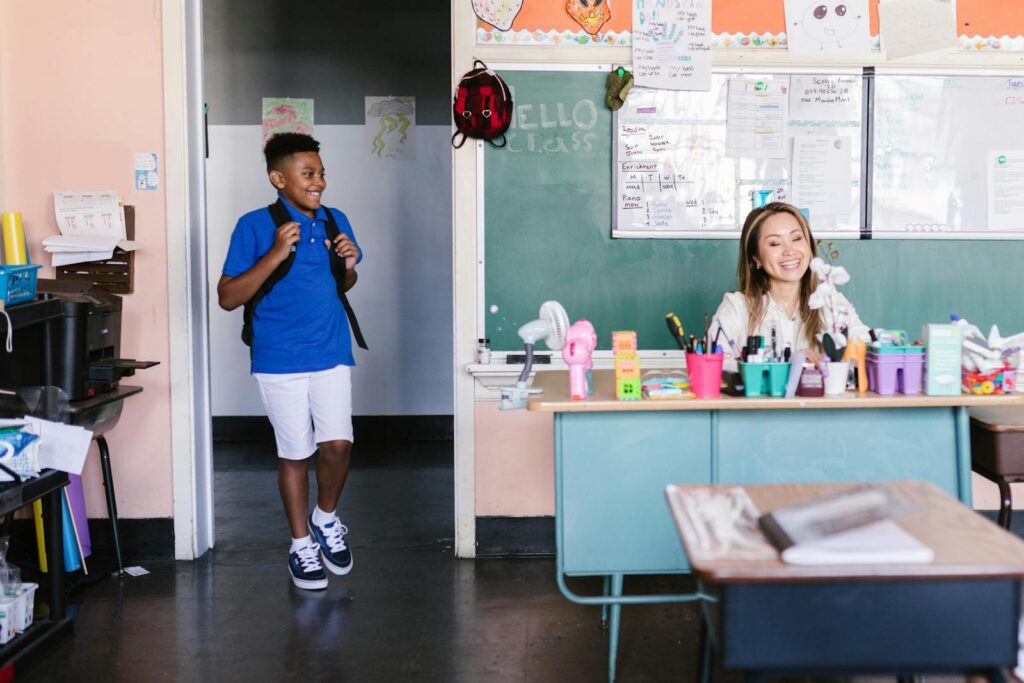
Teachers Share the Wildest Blame Games: Kids vs. Parents
Teachers have seen it all, haven’t they? From epic art projects that involve more glitter than any reasonable person should own to snack time negotiations that would put seasoned diplomats to shame. But one thing that’s really caught their attention lately is the wild and often hilarious things kids have blamed on their parents. Spoiler alert: sometimes these tales are so outrageous that they’ve even led to calls to Child Protective Services (CPS). Buckle up; it’s going to be a bumpy ride through the imaginative minds of our little ones.


Creative Excuses That’ll Make You Chuckle
Kids are natural storytellers, and when it comes to shifting the blame, they can really deliver a performance worthy of an Oscar. One teacher shared a gem where a student insisted that his mom told him to glue cereal to his head as a hairstyle experiment. “She said it would be ‘cereal-ously’ cool!” the child declared, completely serious. The poor teacher, caught somewhere between laughter and disbelief, had to remind the kid that maybe, just maybe, that wasn’t the best way to express his creativity.
Another teacher recounted a little girl who claimed her dad told her that it was fine to eat an entire jar of pickles for breakfast. “He said it’s a ‘good source of vitamins,’” she insisted. The teacher couldn’t help but admire the girl’s commitment to her father’s so-called health advice, but she also had to gently inform the student that pickles might not be the best breakfast option. It’s these kinds of stories that make educators chuckle and shake their heads in disbelief.
When Blame Crosses the Line
While most of these tales are amusing, some take a darker turn. A teacher recalled a student who blamed her parents for allowing her to “play with matches” because they bought her a toy fire truck. This innocent play led to a serious conversation, as the teacher felt compelled to report the situation. “I had to call CPS,” she said, “not because I thought the parents were abusive, but because I couldn’t take the risk. It’s a scary world, and sometimes, kids just don’t grasp the implications of their words.”
It’s a delicate balance. Teachers want to keep their classrooms safe while also nurturing that wild imagination. Sometimes, the things kids say can send shockwaves through a school. A child once said their parent was “mean” for making them do chores, and the next thing you know, there’s an investigation into child neglect. It’s a reminder that, while it’s essential to listen to kids, context matters. Not every imaginative story is rooted in reality.
What’s Going On at Home?
When these situations arise, it often leads teachers to wonder about what’s happening in the kids’ homes. It’s not uncommon for kids to mirror their environments, and sometimes their stories might reflect deeper issues. One teacher mentioned a student who claimed her mom let her “eat candy for dinner” every night. While it might sound funny at first, it raised concerns about nutrition and whether the child was actually receiving proper meals. Teachers have to tread carefully, balancing a sense of humor with genuine concern.
In many cases, these wild tales can spark conversations between teachers and parents. One teacher recalled how she approached a parent to discuss a child’s claim about not having any snacks at home. The parent was surprised and explained that they had a fully stocked pantry but that the child was simply not aware of what was available. This opened up a helpful dialogue about communication and expectations at home versus school.
How to Navigate These Whirlwinds
So, what can parents and teachers do to navigate this whimsical minefield of kid logic? First, it’s all about communication. Parents should consider talking to their kids about what they say, encouraging them to express themselves while also helping them understand the weight of their words. It’s helpful to create a space where kids feel comfortable discussing their thoughts without fear of getting in trouble.
For teachers, it’s crucial to approach these situations with empathy and humor. A light-hearted conversation can often defuse any tension and allow for a more open dialogue. After all, kids are just trying to make sense of the world around them, using the tools they have — which, let’s face it, often means a hefty dose of imagination.
More from Decluttering Mom: