


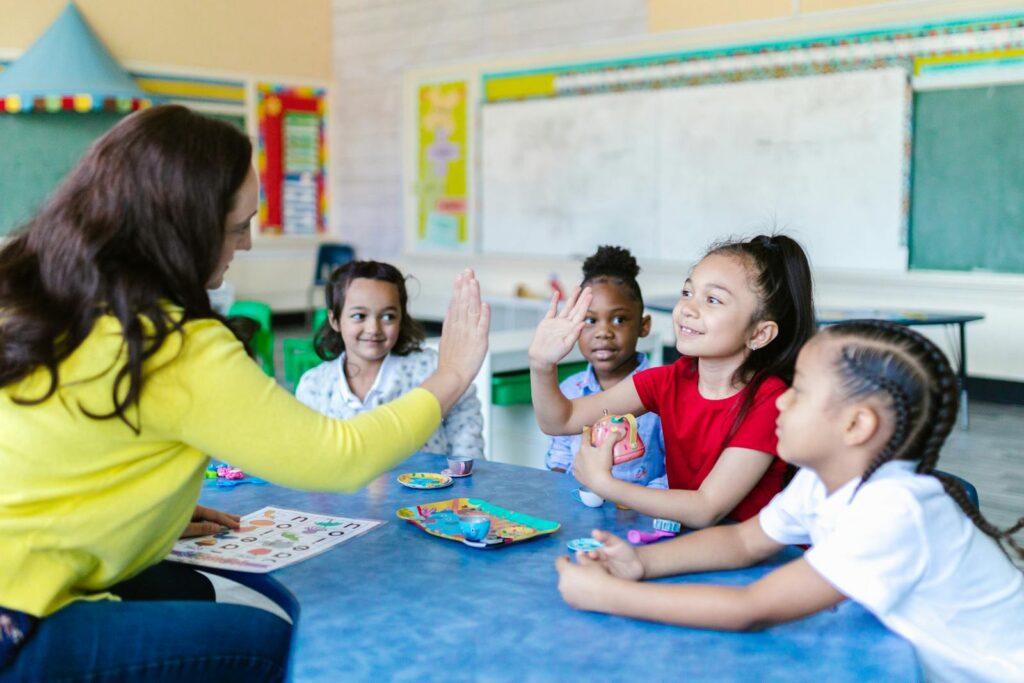
So, picture this: you’re a teacher, knee-deep in a lesson about fractions, when suddenly a little hand shoots up, and a kid announces they haven’t had dinner in two days because their parents are “fighting again.” Cue the collective gasp from the classroom. Yeah, that’s one of those moments you didn’t see coming. Teachers everywhere have stories of kids who, in their innocent and sometimes hilariously blunt way, reveal family dramas that leave everyone in the room a bit stunned.
The Unfiltered Truth

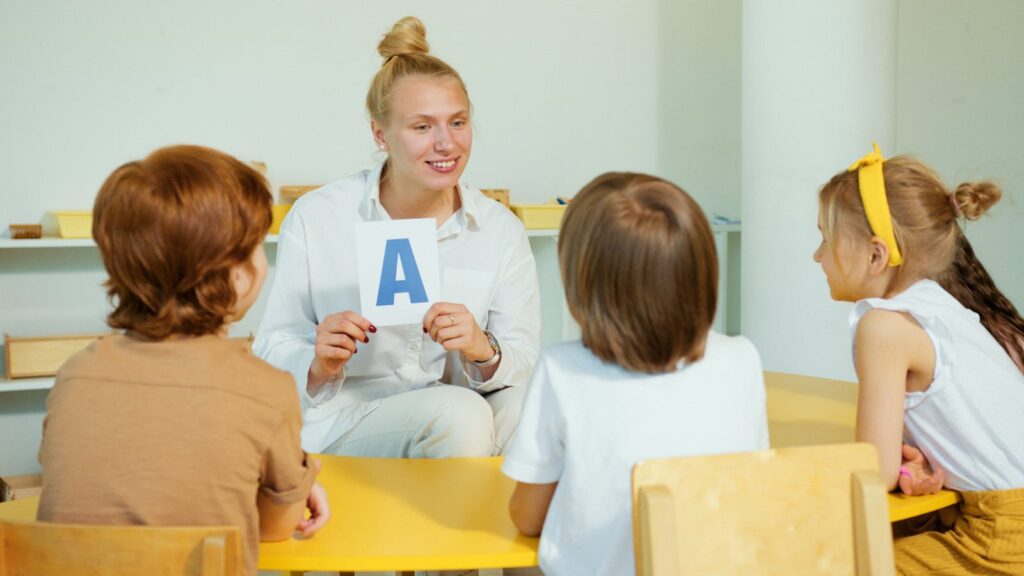
It’s a well-known fact that kids say the darndest things, but sometimes what comes out of their mouths is a little more than just funny anecdotes about their pets or the bizarre sandwich their mom packed. Teachers are often left to navigate the murky waters of these revelations, balancing their roles as educators with being unofficial family counselors. One teacher shared, “I had a student mention how excited they were to finally have their mom back home after she’d been ‘gone for a while.’ It was a casual remark, but it hit hard. You realize there’s a whole world behind their eyes that you never knew about.”
When Kids Speak, Adults Listen
Kids aren’t just spouting off nonsense; they’re often sharing the realities of their lives, whether it’s about a recent divorce, a new partner in the picture, or a family member’s struggles. This can be tough for teachers, who sometimes feel ill-equipped to handle these emotional bombshells. One teacher recounted a moment when a student casually mentioned their “new dad” during a group discussion. “The room went silent. I wasn’t sure if I should ask more or just let it go. It’s a delicate balance,” they said. Most educators try to create a safe space, but it’s hard to know where the line is when it comes to probing into a child’s home life.
Turning Drama into Learning Moments
Interestingly, some teachers have found ways to turn these family revelations into educational opportunities. When a student shared about their parents’ separation, the teacher used it as a springboard for a discussion about emotions and coping strategies. “We talked about how it’s okay to feel sad or angry and brainstormed ways to express those feelings. It opened up a great dialogue,” they explained. It’s amazing how a simple comment can lead to important conversations that kids might not have anywhere else.
Coping with the Unexpected
But let’s be real—what happens when a child spills something a bit too heavy for the classroom? Teachers often find themselves walking a tightrope. Many are trained to recognize signs of distress or trauma, but they’re also aware that not every revelation requires a call to social services. “You have to gauge the situation,” one teacher noted. “Sometimes they just need to vent, and other times you realize there’s a deeper issue.”
Creating Safe Spaces
One of the biggest challenges is creating an environment where kids feel comfortable sharing without feeling like they’re on trial. Teachers often work hard to build strong relationships with their students, encouraging honesty and openness. “I try to let them know I’m here for them, no matter what,” said a dedicated educator. “Sometimes, just a reassuring smile can make a kid feel safe enough to share their worries.”
Humor in the Chaos
And amid the chaos, there’s often humor to be found. Kids have a knack for lightening the mood, even when discussing heavy topics. One teacher recounted a time when a student mentioned their parents were “fighting like cats and dogs” and then proceeded to draw a picture of their dad as a cat and their mom as a dog. “It was hard not to laugh, even though we were talking about something serious. Kids just have this unique way of viewing the world that can bring a smile, even in tough times,” they chuckled.
What Can Parents Do?
So, what does all this mean for parents? Well, it’s a gentle reminder to keep the lines of communication open with your kiddos. Kids often pick up on things that might seem minor to adults, and they might feel the need to talk about their experiences. If you’re going through a tough time, consider how much you share and how you share it. Kids are perceptive, and they often mirror the emotions of those around them.
More from Decluttering Mom: