


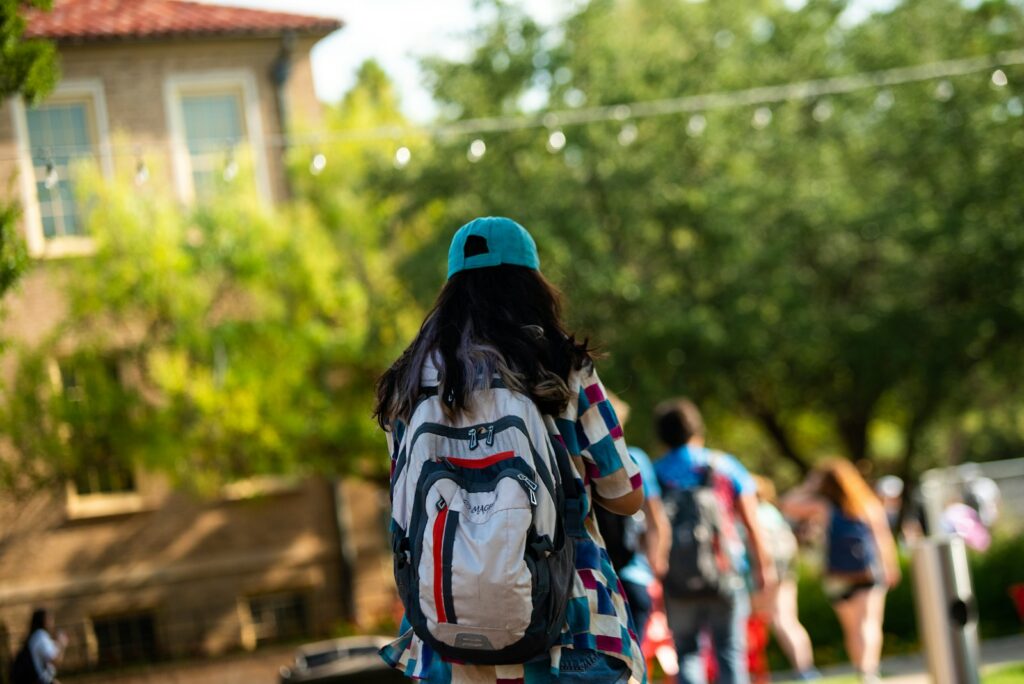
A 14-year-old girl in The US has packed up her life and started over 26 different times, all before finishing middle school. Her story is not a dramatic outlier, it is a sharp, human snapshot of how the housing crisis is landing hardest on children who have no control over where they sleep at night. When rent spikes, waiting lists stall and safety nets fray, kids like her are the ones absorbing the chaos in their bodies, their grades and their sense of what “home” even means.
Behind that single number, 26 moves, sits a national pattern of families running in place, constantly scrambling for the next couch, motel room or short-term lease. The data on homelessness and housing instability among children and teens shows that this is not just about adults struggling with bills, it is about a generation growing up without the basic stability that most people assume is a given of childhood.


The teen behind the number 26
In Atlanta, She is 14 and has already cycled through 26 different places to live, a tally that would be exhausting for any adult, let alone a teenager trying to keep up with school and friendships. Her family’s story, detailed in reporting on housing pressures on families, shows what it looks like when every rent hike or job setback can mean another move. Her mother, Jaimie Godfrey, has been waiting for a housing voucher while trying to keep the family afloat in a city where the cost of a basic apartment keeps climbing faster than paychecks.
The Godfrey children, including Na’Kaya, talk about wanting a place where they can close a bedroom door, hear their own voice and know She is safe, a simple wish that reads like a luxury when the family is bouncing between short-term arrangements. Their experience has been described as “running in place,” a feeling echoed in accounts shared through Na’Kaya’s own words about craving a stable home. Writer Brigid Schulte highlighted how She and her siblings are constantly adjusting to new schools and neighborhoods, using their story on LinkedIn to underline how The US housing crisis is reshaping childhood itself.
How a policy maze keeps families “running in place”
Behind the Godfreys’ constant moving is a policy landscape that often feels like a locked door. Jaimie Godfrey has been on a waiting list for a housing voucher, yet the local program has been effectively closed since 2018, according to reporting on Jaimie and other parents in Atlanta. When a core tool like vouchers is frozen, families are left to juggle short-term leases, doubled-up living situations and motels, all while trying to avoid outright eviction.
National numbers show that this is not a niche problem. In 2023, 186,084 people in families, defined as at least one adult and one dependent under 18, were counted as experiencing homelessness. Researchers looking at displacement patterns note that Beyond cost burden, some of the most common signs of housing insecurity are overcrowding, doubling up and frequent forced moves, patterns documented in work that cites Desmond and other scholars tracking eviction.
What constant moving does to a child’s education and health
For kids, the impact of this churn shows up first in the classroom. Having no set address or the experience of being evicted can lead to high rates of absenteeism and school switching, with some research finding that the risk of chronic absence can triple for children under age nine when their housing is unstable, a pattern highlighted in reporting on Having a stable home. Education researchers have been blunt about Why moving so often hurts performance, noting that Residential moves disrupt routines, cut kids off from teachers who know them and pile on stress that makes it harder to focus, as detailed in a review of affordable housing and learning.
The emotional toll is just as real. Homelessness and housing instability include a range of situations, from living on the streets to staying in emergency shelters or temporary spaces, and young people in those conditions report higher rates of anxiety, depression and suicidal thoughts, according to a national report on Homelessness and LGBTQ youth. For Na’Kaya and her siblings, that stress shows up in the way they talk about wanting to hear their own voice and feel safe, a small but telling detail captured in coverage of The Godfrey children and their search for a quiet, permanent room.
The hidden category: doubled-up and couch-surfing kids
Not every child in housing trouble shows up in a shelter count or a tent encampment. A huge share are in what federal education law calls Doubled-up situations, where a family or youth moves in with another relative or friend because of a loss of housing or economic hardship, a definition laid out in a Nov policy brief. Those arrangements can look “normal” from the outside, but inside the apartment, kids are sleeping on floors or sharing beds with cousins, dealing with overcrowding and the constant risk that the host family will need their space back.
For teens, that can slide into more precarious forms of couch surfing, where they bounce between friends’ homes, sometimes without a parent present. National advocates urge schools and youth programs to Connect young people in these gray zones to resources, including the National Runaway Safeline, which encourages anyone in crisis to Call 1-800-RUNAWAY (1-800–786-2929) or text 66008 for help. Those numbers are a lifeline for kids who may not see themselves as “homeless” but are still one argument or missed paycheck away from the street.
Where families and teens can actually turn
For parents like Jaimie Godfrey, the official safety net can feel abstract, but there are concrete entry points. Federal guidance urges anyone facing an immediate loss of housing to Dial 211 to connect with local shelters, rental assistance and legal aid, a number that works in most parts of The US. Online, families can also search for emergency housing programs that list local contacts for rapid rehousing, domestic violence shelters and services for veterans.
Teens who feel unsafe at home or are thinking about leaving have their own dedicated support. The National Runaway Safeline operates the 1-800-RUNAWAY line, and its website at 1800runaway.org offers chat and text options for young people who are more comfortable typing than talking. Government snapshots on youth instability urge schools and community groups to Connect families to these hotlines early, before a crisis turns into a night on the street.
More from Decluttering Mom: