


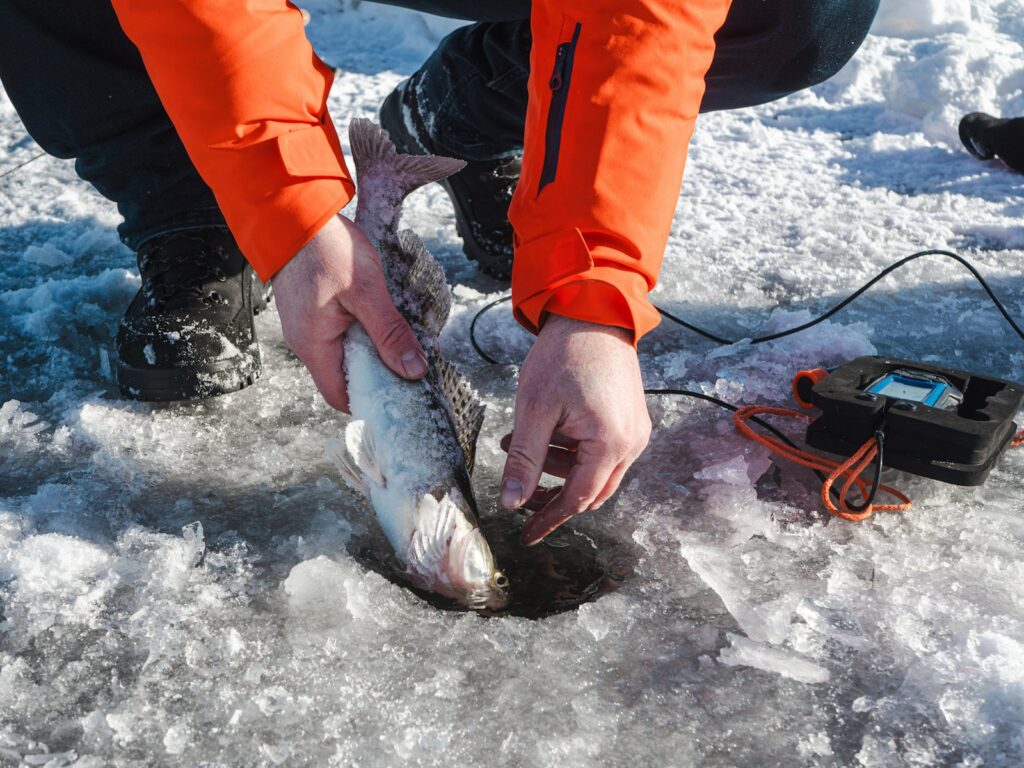
On a frozen Indiana lake, a 16-year-old who lived for hunting and fishing went out to do what he loved and never came home. His father is now spending his days talking about carbon monoxide, ice shanties, and portable heaters instead of deer stands and duck blinds. The goal is painfully simple: make sure other families know the hidden danger that killed his son before they send their kids out onto the ice.
The story of Joe Ford is not just another winter accident, it is a case study in how a “silent killer” can slip into ordinary traditions like ice fishing and turn them into a nightmare. His dad, Steve Ford, has turned his grief into a full-time warning label, hoping that if parents understand what happened in that shanty, they will change how they prepare for cold-weather trips.

The Day A Routine Ice Trip Turned Deadly
Sixteen-year-old Joe Ford was the kind of kid who would rather be in waders than on a couch, and his dad says he loved nothing more than hunting and fishing. On January 26, 2025, Joe was ice fishing in Indiana, tucked inside a shelter to stay out of the wind, doing exactly what he had done on countless other cold days. The setup felt familiar and safe, the kind of winter ritual that plays out on frozen lakes across the Midwest every year.
What Joe and the people who loved him could not see was the colorless, odorless gas building up around him. Investigators later determined that the 16-year-old died of carbon monoxide poisoning while he was out on the ice in Indiana, a detail that has been repeated by multiple reports that describe how Joe Ford never made it back from that trip. For Steve Ford, the shock was not just that his son died, but that it happened in a place and a way he had never been warned about.
A Father Turns Grief Into A Public Warning
In the months since his son’s death, Steve Ford has become the kind of advocate no parent ever wants to be, talking about carbon monoxide at kitchen tables, community meetings, and in front of cameras. He has described his son as a “huge outdoorsman” who loved everything from ice fishing to duck hunting, a portrait that shows up again and again in the photos and videos he now clings to as he speaks about Joe in public. That grief is the engine behind his mission to make sure other parents understand that a heater in a small, sealed space can be as dangerous as thin ice.
Steve has been blunt about what he is up against, calling carbon monoxide “the silent killer” and warning that it does not care how experienced someone is on the water or how many winters they have spent on the ice. In KOKOMO, Ind, he has talked about how grateful he is to have so many photos and videos of his son, both in physical albums and on his phone, and how those memories fuel his decision to hand out detectors and talk about carbon monoxide instead of just trying to move on.
The Hidden Risk Inside A Warm Ice Shanty
For a lot of families, the danger they picture on a frozen lake is a kid falling through the ice, not a gas they cannot see or smell. Steve Ford has been trying to flip that script, explaining that the very things that make an ice shanty feel cozy, like propane heaters and tight seals against the wind, can quietly turn deadly. Reports on Joe’s death have stressed that he was trying to keep warm while ice fishing when carbon monoxide built up around him, a detail that has been highlighted in coverage that says a 16-year-old was killed while fishing and trying to keep out of the cold.
Outdoor safety experts have been echoing that warning, pointing out that portable heaters, generators, and even some lanterns can all produce carbon monoxide if they are not properly vented. One safety guide urges anglers to Look for carbon monoxide alarms that are specifically rated for extreme cold operation, with sensor technology that can still function at temperatures down to minus 40 degrees Fahrenheit. The message is that warmth alone is not the safety benchmark; ventilation and detection have to be part of the setup too.
From Kokomo To The Ice: A Community On Alert
In KOKOMO, Ind, the loss of Joe Ford has rippled far beyond his immediate family, pulling in neighbors, local officials, and strangers who simply recognize their own kids in his story. One year after his son died, Steve Ford has said he is grateful to have so many photos and videos of the boy, both in physical albums and on his phone, and that those images are part of why he keeps talking about detectors instead of retreating into private grief. His outreach has included giving away carbon monoxide alarms and walking people through how to use them in cabins, RVs, and ice shelters.
The heightened awareness is not limited to one town. On social media, residents have been sounding off about kids playing on frozen lakes, with one widely shared post starting with the words “To the parents of the children on the FROZEN LAKE” and warning that police were already on their way. That post, which pleaded with adults to get their kids off the ice, captured how quickly a community can shift from seeing winter recreation as harmless fun to recognizing the layers of risk, from thin ice to invisible gases, that come with it.
What Parents And Young Anglers Can Do Differently
Steve Ford’s message to other parents is not to keep their kids locked inside all winter, but to send them out with better tools and better information than he had. He has talked about how Joe was a huge outdoorsman who loved duck hunting and fishing, and how that passion is exactly why he now spends his time raising awareness about carbon monoxide instead of trying to steer kids away from the outdoors. His push is for families to treat detectors and ventilation checks the same way they treat life jackets and ice thickness charts.
Safety guides now routinely recommend that anyone using a heater in an enclosed space on the ice carry a carbon monoxide alarm that is designed for low temperatures, crack a window or vent even when it feels brutally cold, and avoid running fuel-burning devices while sleeping. Coverage of Joe’s death has also stressed that he was only 16, a reminder repeated in pieces that describe how an Indiana father is speaking out after his 16-year-old son died during ice fishing. For Steve, the hope is that repeating those details, and backing them up with practical steps, will keep other families from learning about carbon monoxide the way he did.
More from Decluttering Mom: