The fight over what shoppers are charged at Dollar General just got much bigger. According to a Federal Trade Commission announcement dated November 20, 2026, ten more states have joined the lawsuit, bringing the total to 30.
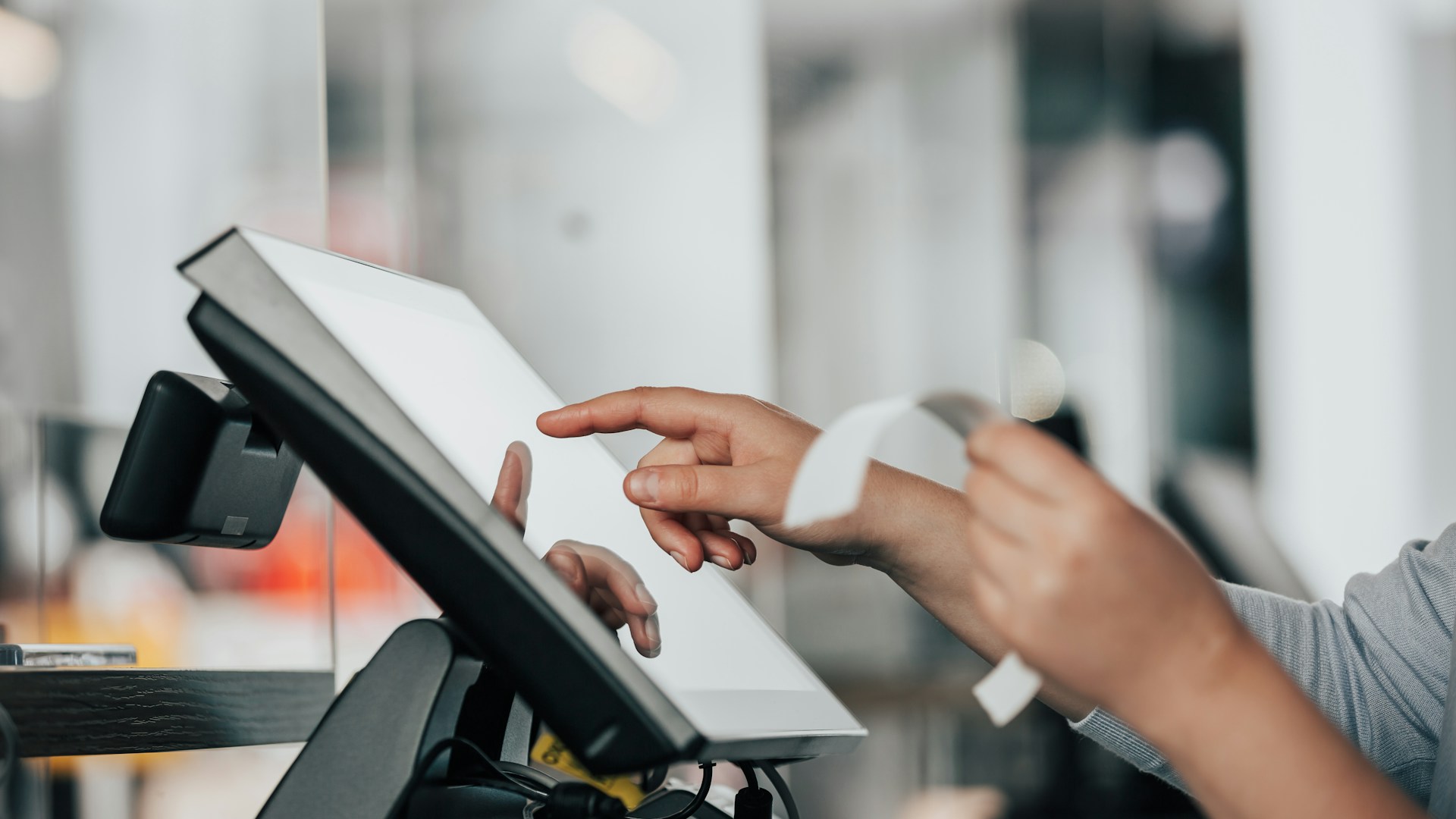
The claim at the center of the case is one almost every shopper has worried about at some point: being charged more at the register than the price on the shelf.
Ten More States Sign On To The Case
The newest states to join are Delaware, Georgia, Kentucky, Maine, Minnesota, New Mexico, Oregon, Rhode Island, South Carolina and South Dakota.
The FTC first sued in October 2026, and the case was filed in the Middle District of Tennessee. With 30 states now on the same side of the case, the complaint has plenty of official backing.
What The Lawsuit Alleges Happened At The Register
The allegation is that Dollar General routinely charged more at the register than the prices shown on shelves or in ads. The FTC says this happened across thousands of stores.
It also alleges the overcharges added up to millions of dollars, and that the company’s corporate leadership knew about the problem.
These are allegations, and the FTC and the states have not proven them in court. That is an important point, because a lawsuit is the start of a legal process, not the end.
Why A Few Cents Can Add Up To Millions
An overcharge of a quarter on a single item seems tiny. But when a chain rings up huge numbers of purchases in thousands of stores, small differences can add up fast.
Discount stores are popular with shoppers on fixed incomes, including many retirees who count every dollar. For those customers, an extra dollar or two on a trip is not nothing.
That is why price accuracy matters at any store, whether a discount chain, a grocery store or a big box retailer.
Check Your Receipt Before You Leave The Store
You do not have to wait for a court to protect your own wallet. A few quick habits can catch pricing mistakes anywhere you shop.
- Watch the screen at the register as items are scanned, and compare each price with the tag you remember.
- Snap a quick photo of the shelf tag for anything priced as a sale or a deal.
- Read your receipt before you walk out, and keep it until you are sure you will not need it.
- If a price is off, speak up right away at the register or at customer service, where the fix is usually quickest.
Where To Report A Problem
The FTC points consumers to ReportFraud.ftc.gov to share what they have experienced. Reports from many shoppers help agencies spot patterns that a single receipt cannot show.
If you spot a mismatch, write down the store location, the date, the item and the two prices. Clear details make a report more useful.
Keeping Perspective On The Allegations
Most store employees are simply ringing up what the system tells them to, so a pricing error at the register is rarely the fault of the person standing in front of you. Be polite, be specific and ask for the correction.
The lawsuit will take time. Courts move slowly, and the claims made so far are the position of the government side of the case.
In the meantime, the lesson is an old one that has never gone out of style: look at the tag, look at the screen and look at the receipt. A minute of attention at the register can protect you at any store.
How To Handle A Price Mismatch Calmly
If the register total looks higher than the tag, stay friendly and ask the cashier to check the price. Most mismatches are cleared up on the spot, and a polite request goes further than a raised voice.
If the cashier cannot fix it, ask for a manager. Having a photo of the shelf tag or the ad in your hand makes the conversation quick and keeps it about facts.
Many states have their own rules about pricing accuracy and what a store owes you when a scanned price is higher than the posted one, and those rules differ from place to place. Your state attorney general’s consumer office is a good starting point if you want to learn what applies where you live.
Small Habits For Big Savings
Try a simple routine on your next trip. Put the shopping list on your phone with the prices you expect, then glance at the screen as each item is scanned.
When you get home, tuck the receipt in a spot where you can find it for a few days. If something looks wrong, you can return to the store with proof instead of memory.
What Comes Next
With 30 states now on board, shoppers in many parts of the country have a reason to follow how the case plays out in Tennessee.
If you shop at Dollar General or any other chain, make price checking a habit. The cost is a few seconds, and the savings can show up all year long.
More Stories You May Like
- Reseller Buys A Jacket At Goodwill For $16.99, Sits On A $380 Offer, Then Sells It For $539 With Over $400 In Profit
- Homeowner Pushes On A Bathroom Wall And It Opens To Reveal Hidden Storage For Haircare, Skincare And Tanning Stuff, With Extra Towels Behind The Baseboard
- Mom Starts Cleaning Her Hoarder State Basement Floor While Her Husband Works Two Jobs, Loses Count After Four Water Dumps, And Now Needs An Asbestos Test Before Ripping It Up