


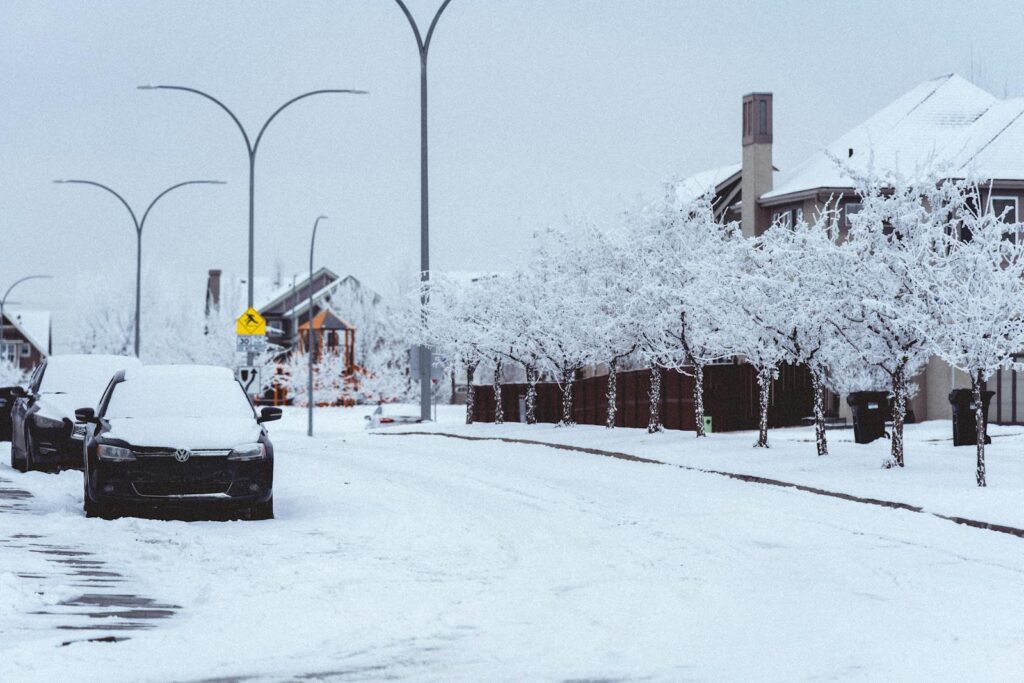
When a brutal winter storm knocked out power across Nashville, one family did what a lot of people dream of doing in a blackout: they fired up a generator to keep the heat on. Instead of relief, they say they got a warning from their homeowners association that the very machine keeping them warm could cost them hundreds of dollars in fines. The clash between survival instincts and neighborhood rules has turned a quiet townhome community into a case study in how far HOAs should go when the lights go out.
At the center of the fight is Talia Caravello and her family, who live in a townhome community in the Wedgewood-Houston area and say they were left without power for days after the storm. As temperatures dropped and the house turned into a walk-in freezer, they plugged in a portable generator, only to be told it violated the rules and had to go. What might sound like a small neighborhood dispute has quickly become a bigger conversation about safety, common sense and who actually gets to decide how people ride out an emergency.

The blackout that pushed a family to the brink
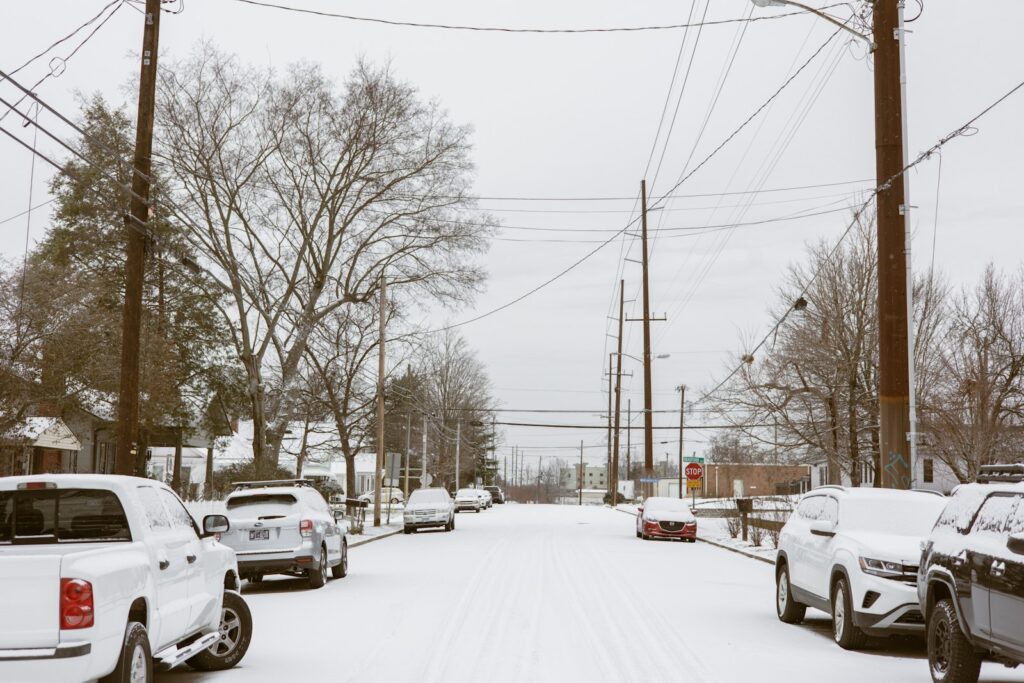
The story starts with a simple, miserable fact: the power went out and stayed out. According to multiple accounts, Talia Caravello and her family lost electricity in their Wedgewood-Houston townhome after an ice storm rolled through on a Sunday morning, leaving them in the dark and cold for days while the rest of Nashville tried to thaw out. The family’s home in the Wedgewood, Houston area was not just chilly, it was unlivable, with indoor temperatures dropping so low that staying put without some kind of backup power stopped being a matter of comfort and started looking like a health risk, especially overnight when the cold settled in hardest, as described in coverage of how Talia Caravello and her neighbors were coping.
Like a lot of people who watched the Texas grid collapse a few winters ago, the family had tried to prepare. They bought a portable generator, set it up outside and ran extension cords inside to power a few essentials, including space heaters and a refrigerator. The goal was not to light up the whole house, just to keep pipes from freezing and give their kids a place to sleep that did not feel like a campsite. But as the hours stretched into days and the neighborhood stayed dark, the generator became less of a backup plan and more of a lifeline, one that they say they were not willing to shut off just to keep the peace with a board of neighbors.
The $1,500 generator and the HOA’s hard line
That lifeline did not come cheap. According to a detailed account shared on social media, Talia Caravello and her family, who are residents of the South View on Second townhome community, had purchased a $1,500 portable generator specifically to handle emergencies like this one. The machine was not a permanent fixture or a whole-house system, it was a stopgap, the kind of unit many homeowners keep in a garage for the rare day when the grid fails. For the Caravellos, that investment was supposed to buy peace of mind, a way to bridge the gap until utility crews could get the lines back up.
Instead, they say it triggered a warning from their homeowners association. The South View community is managed by a company that, according to the same account, sent a notice through its property manager, Ghertner & Company, ordering the generator’s removal and threatening fines if it stayed. The message, as described by the family, was blunt: the generator did not comply with the association’s aesthetic and noise rules, and the board expected it gone even while the blackout dragged on. In other words, the HOA was treating a temporary emergency setup the same way it might treat a long term eyesore, and it was doing so while the family was still shivering through the aftermath of the storm.
“Unbearable” conditions and a forced exit from home
By the time the HOA’s warning landed, the family’s patience and body heat were both running low. Reporting on the situation describes how Talia Caravello and her relatives had already been without power in their Wedgewood-Houston townhome since that Sunday morning, trying to tough it out with candles, extra blankets and the generator humming outside. One account notes that the blackout was “unbearable”, a word that captures not just the physical discomfort but the sense of being trapped between a dangerous cold snap and a rulebook that did not seem to care.
Eventually, the living conditions got so bad that the family left. Coverage of the ordeal notes that the Caravellos were effectively forced from their home, with the combination of no central heat, icy temperatures and the HOA’s stance on the generator making it impossible to stay. One report on how the living conditions deteriorated describes a house that had turned into a shell, with the family bouncing between relatives and hotels while still paying their mortgage and HOA dues on a place they could not safely occupy. It is the kind of detail that sticks: the idea of being priced out of your own home not by the market, but by a letter from your own neighborhood association.
Safety, aesthetics and a rulebook not built for ice storms
At the heart of the dispute is a question that goes way beyond one Nashville block: what happens when safety and aesthetics collide. The HOA’s position, as relayed by the family, was that the generator did not meet the community’s standards for appearance and noise, and that rules about exterior equipment applied even during a prolonged outage. Talia Caravello has said she was told the generator did not comply with the association’s guidelines, a point echoed in national coverage that highlighted how Image of the setup became a flashpoint in the debate.
On the other side of the ledger is the family’s argument that emergency gear should be treated differently from permanent fixtures. In their telling, the generator was placed outside, used only as long as the power was out and monitored for safety, a temporary measure in a once in a decade storm. Broader reporting on the incident notes that the HOA’s threat of fines landed while the ice was still on the ground, a timing that made the rules feel less like community standards and more like a punishment for trying to stay warm. The clash exposes a gap in many HOA documents, which often spell out the color of front doors in excruciating detail but say little about what residents can do when the grid fails and the thermostat plunges.
A Tennessee flashpoint with national resonance
What might have stayed a neighborhood squabble quickly turned into a statewide talking point. Coverage framed the incident as a Tennessee story about how far an HOA will go to enforce its rules, with one report flatly describing it as a case where a Tennessee HOA threatened a family over their emergency generator. In that telling, the story is not just about one board or one property manager, it is about a pattern of associations leaning on technicalities even when residents are dealing with life without power or heat. The fact that the dispute unfolded in NASHVILLE, Tenn, a city more associated with music than ice storms, only sharpened the sense that climate and infrastructure shocks are hitting places that are not used to them.
More from Decluttering Mom: