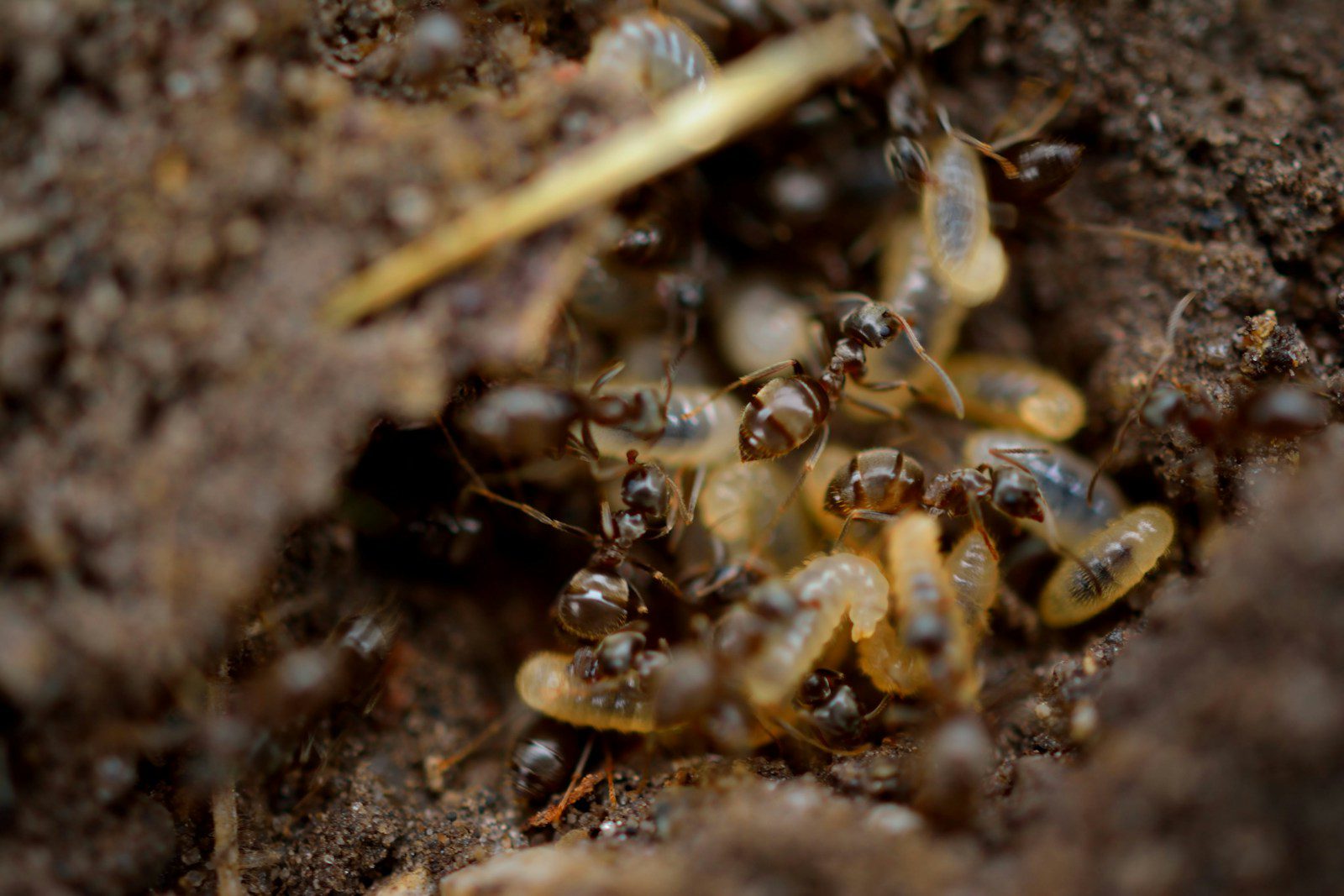
A routine termite inspection costs $100 on average, with most falling between $75 and $325, according to Angi’s termite inspection cost data. Skip it, and the number a homeowner is eventually forced to pay looks completely different: standard treatment once termites are already established averages $600, intensive fumigation runs $1,500 to $8,000, and full-house tenting alone averages $3,000, with a realistic range of $2,000 to $5,000, per Angi’s tenting cost breakdown. Add structural repairs on top of that — $600 to $3,000 for typical damage, up to $6,000 for major cases — and a $100 shortcut can turn into a five-figure bill before anyone notices a single termite.

What an Inspection Actually Costs, and Why It’s Cheap
Angi’s data breaks the $100 average down by context: a standard inspection runs $75 to $325 depending on property size, a home-sale inspection averages $165, and a follow-up inspection after treatment costs $75 to $150. Commercial properties run higher, $200 to $600. Angi recommends scheduling one annually, and more urgently in warm, moist climates where termite activity is highest. Many states also legally require a termite inspection before a home sale closes — meaning the “optional” version of this cost is often not optional at all once a house changes hands.
What Happens Once Termites Are Already Established
Once an inspection turns up an active infestation, the price tag changes fast. Standard treatment for a contained infestation averages $600, with a range of $230 to $1,000, according to Angi. Larger or more established infestations require intensive fumigation, which the same data puts at $1,500 to $8,000 — fifteen to eighty times the cost of the inspection that could have caught the problem earlier. The gap between “found early” and “found late” isn’t incremental; it’s the difference between a same-day treatment and a multi-day tenting operation.

What Tenting Specifically Costs, by Home Size
Full-structure tenting — sealing the house and fumigating the entire interior — averages $3,000 nationally, according to Angi’s tenting-specific data, with pricing scaling directly with square footage. A 1,000-square-foot home runs $1,000 to $4,000; a 1,500-square-foot home, $1,500 to $6,000; a 2,000-square-foot home, $2,000 to $8,000; and anything above 3,000 square feet starts at $3,000 and climbs past $12,000. Pricing is calculated by linear foot of exterior perimeter, $5 to $20, or by square foot of interior space, $1 to $4, with heat treatment as a chemical-free alternative priced around $10 per linear foot.
The Repair Bill Nobody Budgets For
Tenting kills the colony, but it doesn’t undo the damage termites already did to joists, subfloor, or framing. Angi’s data puts structural repairs at $600 to $3,000 for typical damage, climbing to $6,000 for major cases involving load-bearing wood. That repair cost sits entirely outside the treatment bill, which means the homeowner who skipped a $100 inspection can end up paying for inspection, treatment or tenting, structural repair, and a follow-up inspection to confirm the colony is actually gone — four separate bills instead of one small one.
Timing Makes the Difference Too
Termite swarms typically peak in spring, when reproductive termites leave an established colony to start new ones nearby — which is also the point at which an existing infestation becomes visible enough for homeowners to notice discarded wings or swarming insects near windows and doors. By the time swarmers are visible, the colony behind them has usually been active for a year or more. An inspection scheduled before swarm season catches the same infestation months earlier, when treatment options are still simple rather than requiring a full tenting operation.
Why Annual Inspections Are the Actual Bargain
Run the numbers side by side: an annual inspection habit costs $75 to $325 a year, indefinitely. A single missed infestation that requires tenting, repairs, and a clearance inspection can cost $3,000 to $12,000 or more in one season. Termite bonds — ongoing service contracts that include monitoring and treatment guarantees — run $500 to $2,000 and exist specifically because pest control companies know how much cheaper prevention is than remediation, according to Angi’s cost data.
The inspection itself was never the expensive part. What makes termites costly is the gap between when they arrive and when someone finally looks — and that gap is the one variable homeowners actually control, for the price of an appointment that costs less than most utility bills.