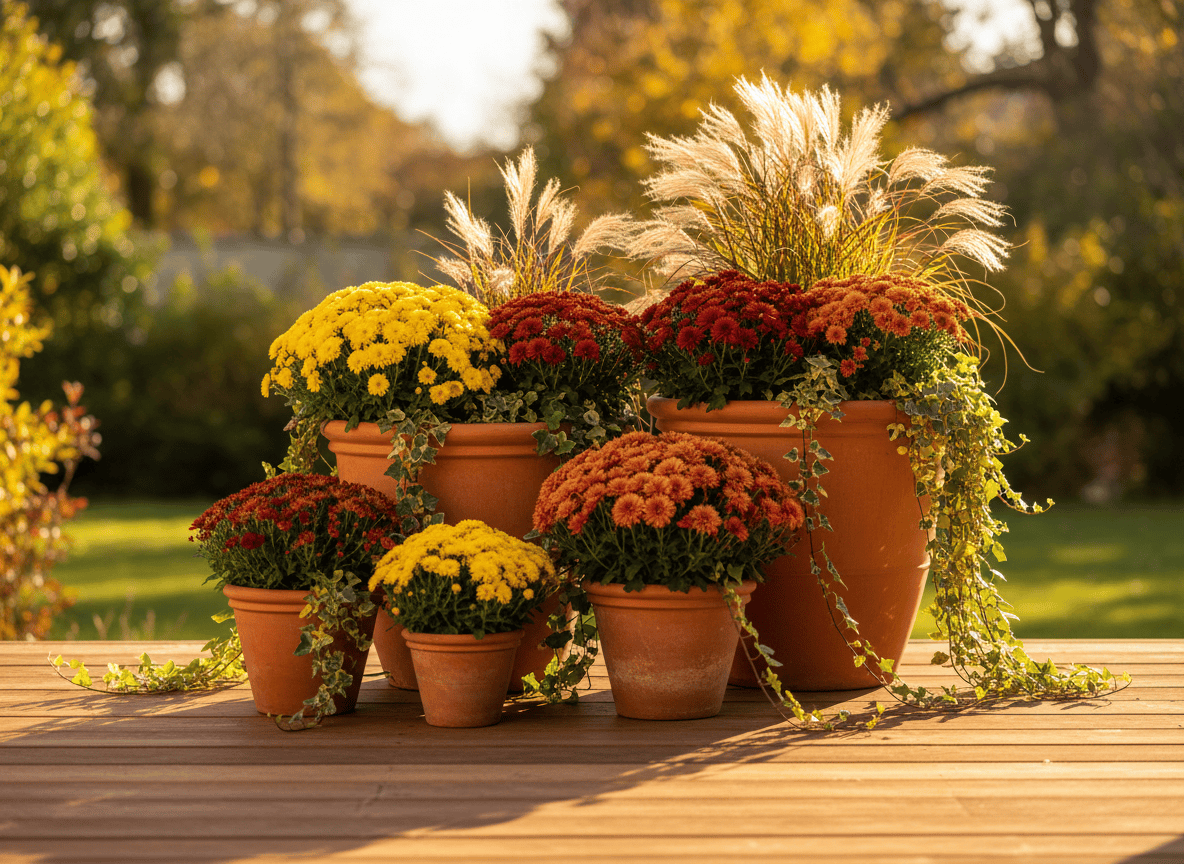
Plastic planters used to be the default choice for anyone who wanted color on a patio without the weight, the price, or the cracking that comes with clay in a hard freeze. That default is slipping. Nursery buyers and industry researchers alike are describing a real swing back toward classic terracotta this fall, and the U.S. market data behind it shows why growers keep placing bigger orders for the material every season.
The Market Numbers Behind the Shift
The U.S. garden planter market was valued at roughly $4.91 billion in 2025 and is projected to reach $8.90 billion by 2033, an 8.0% compound annual growth rate, according to Grand View Research. That same report puts plastic, resin, and polypropylene planters at a 23.2% share of the overall market in 2025 — still meaningful, but well short of the total dominance that material held for most of the last two decades, when it was hard to find an unglazed clay pot at a big-box garden center at all. Clay and terracotta are tracked as their own distinct material category in the same research, evidence that the industry now treats it as a serious segment worth measuring on its own rather than a niche throwback.
Why Nurseries Say They Can’t Keep Them Stocked
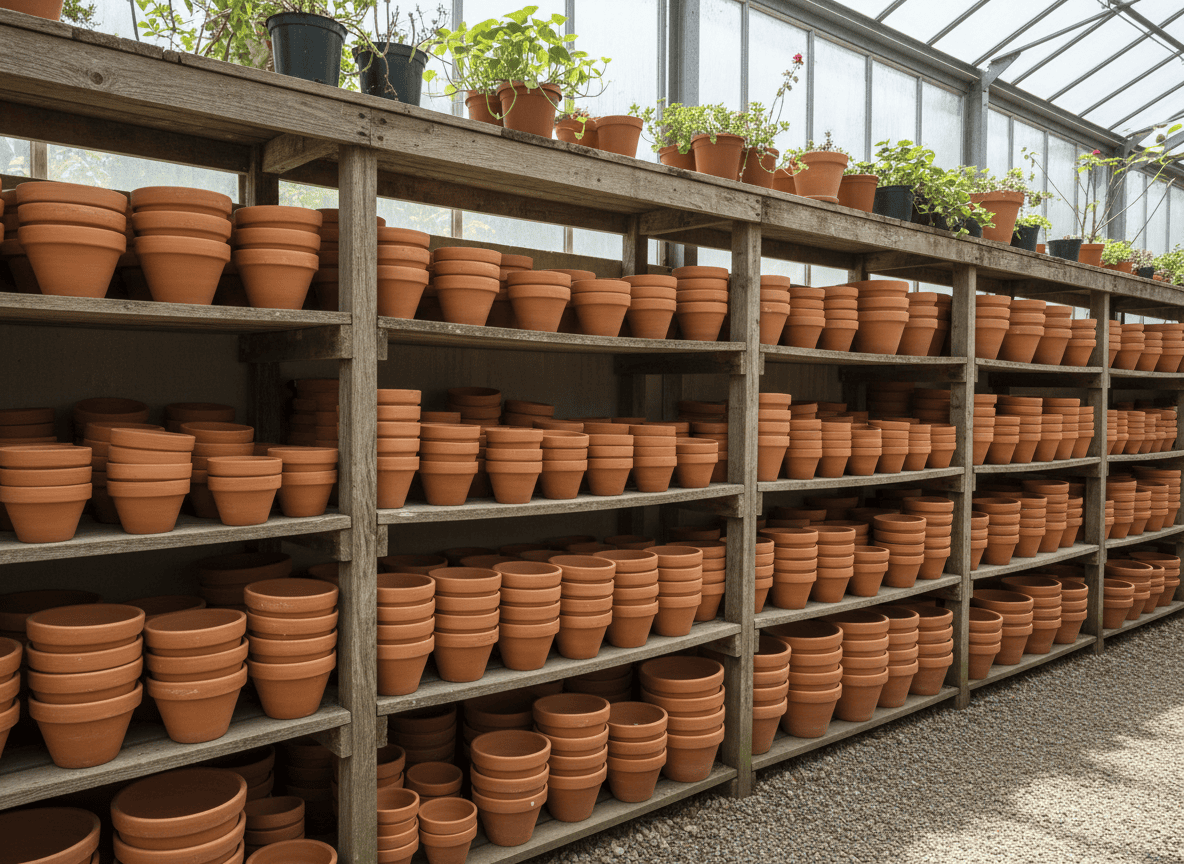
Independent garden centers report the demand shows up hardest right before the fall planting rush, when customers come in specifically asking for clay rather than picking whatever pot happens to be on the shelf. Part of it is aesthetic — terracotta’s warm, weathered orange reads as more seasonal against mums, ornamental kale, and pumpkins than a glossy plastic finish does. Part of it is genuinely practical: unglazed clay is porous, which lets excess water evaporate through the pot walls instead of pooling around roots, a real advantage for fall bulbs and perennials that rot easily in soggy soil. Garden Media Group’s research has separately found that gardening spending has stayed resilient even through economic uncertainty, which tracks with nurseries reporting steady, sometimes surprising demand for a material that costs more per pot than plastic.
The Patina Is the Point
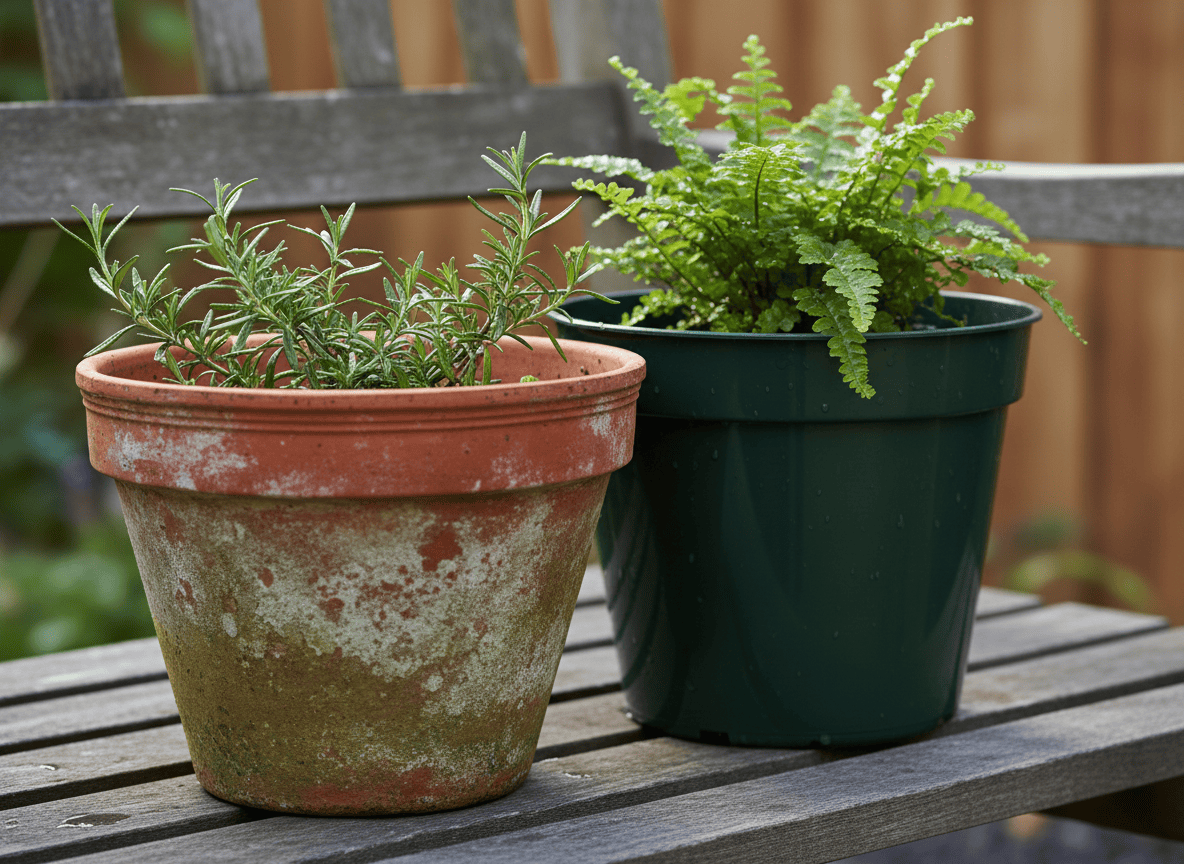
Unlike plastic, which looks the same on day one and day one thousand, terracotta changes. Minerals in the clay and in tap water leave chalky white or greenish mineral deposits on the surface over a season or two, and the color itself mellows from bright orange to a softer, sun-bleached tone. Homeowners chasing a cottage or farmhouse aesthetic have started treating that aging process as a feature rather than something to scrub off, which is a real reversal from a few years ago when a stained pot would have been considered neglected rather than charming. Some buyers are even speeding up the process artificially, brushing pots with yogurt or buttermilk to encourage moss and algae growth for an instant weathered look.
The Tradeoffs Nobody Advertises
Terracotta has real downsides that plastic doesn’t, and nurseries generally aren’t shy about mentioning them. Clay is heavy, which makes large pots harder to move once they’re planted and watered. It’s also genuinely fragile in freezing climates — water that seeps into the porous walls expands when it freezes and can crack a pot straight through, which is why gardeners in cold-winter regions are usually advised to empty and store terracotta indoors once temperatures drop rather than leave it outside year-round the way a resin planter can withstand.
Where They’re Actually Showing Up
The pots gaining the most traction aren’t the tiny four-inch starter size most people picture. Nurseries describe the strongest movement in the mid-to-large range — 12- to 20-inch pots meant to anchor a front stoop or flank a doorway — along with long, narrow trough-style terracotta planters that fit window boxes and porch rails. Layering is common, too: a shopper buying one large terracotta urn for the entryway will often pick up two or three smaller matching pots for the steps leading up to it, which multiplies demand per household well beyond a single purchase. That layering habit is part of why a modest uptick in interest can turn into nurseries selling through their terracotta inventory faster than they can restock it mid-season.
What This Adds Up To
None of this means plastic planters are disappearing from garden centers anytime soon; they’re still cheaper, lighter, and more forgiving in winter. But the material that spent years as the budget fallback option is now the one shoppers are asking for by name, and nurseries restocking their fall displays are the ones seeing that shift in real time.