If the grocery bill for your holiday table made you wince this year, you were not imagining things. The American Farm Bureau Federation’s annual price survey puts the average Thanksgiving dinner for 10 people at $58.63, up 6% from 2025.
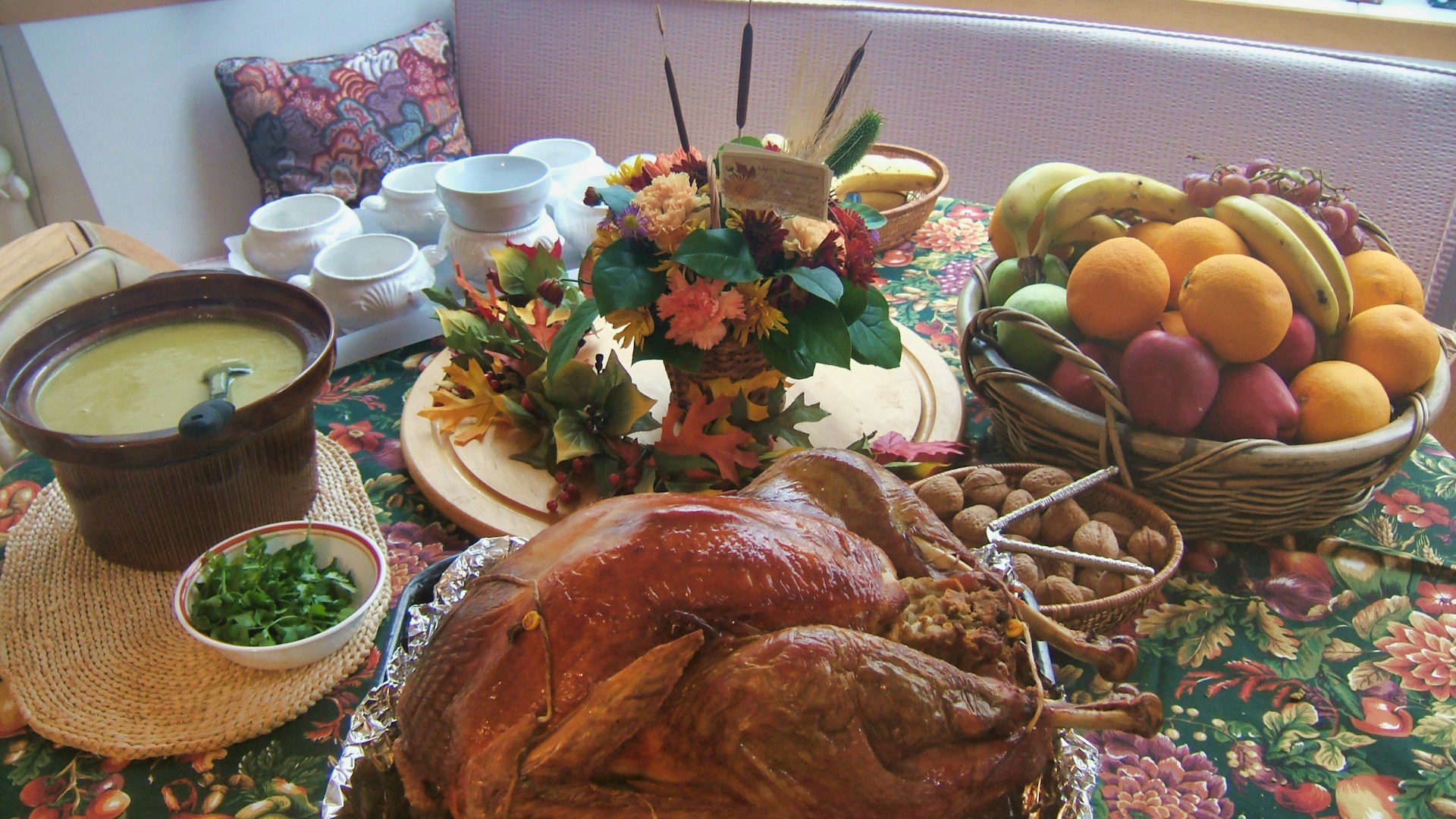
That works out to about $5.86 per person. It is also the first year-over-year increase since 2022, according to the Farm Bureau Intel report on the 2026 Thanksgiving dinner cost, published November 18.
A 16 Lb Frozen Turkey Jumped 10% To $23.68
The bird itself is the biggest story. A 16 Lb frozen turkey now averages $23.68, which is $2.38 more than last year and the largest increase of any item on the list.
The Farm Bureau points to strong demand for turkey and tight inventories. Higher fuel, transportation and processing costs have also pushed the price up on its way to the store.
Cranberries, Ham And Pie Mix Cost More Too
The turkey is not alone. A 12-ounce bag of cranberries is nearly 9% higher than a year ago.
The survey also found higher prices on boneless ham, whole milk, dinner rolls, sweet potatoes, russet potatoes, frozen peas, frozen green beans and cubed stuffing. Pumpkin pie mix moved up as well, so even the dessert table took a small hit.
The Veggie Tray And Pie Crusts Actually Got Cheaper
Not everything went the wrong way. The vegetable tray of celery and carrots fell 3.7%, the largest percentage drop on the list.
Frozen pie crusts slipped by 9 cents, and heavy whipping cream is cheaper too. Those savings do not cancel out the pricey turkey, but they give home cooks a few places to breathe a little easier.
Northeast Families Paid The Most, Southerners The Least
Where you live matters at the checkout. For a ten-person dinner, the Northeast was the most expensive region at $61.57, about 5% above the national average.
The West came in at $58.74 and the Midwest at $56.89. The South had the lowest total at $54.33, which is more than seven dollars below the Northeast table for the same meal.
It Is Still More Than 8% Below The 2022 Record
Before anyone panics, a little perspective helps. The 2026 total is still more than 8% below the record high set in 2022, so this year’s jump follows a few years of relief rather than a new peak.
Some shoppers did far better than the average. The survey notes that a few reported finding turkey for as little as 69 cents per pound, which is nearly half the national average price.
Put another way, the meal that cost the most in 2022 is still pricier than the one on this year’s tables, which may be small comfort to anyone watching the receipt. Still, the direction of the arrow matters, and the Farm Bureau says it points up for the first time in four years.
Farmers See Only A Sliver Of Your Grocery Dollar
It is easy to blame the folks who raise the food, but the numbers tell another story. According to the USDA’s Food Dollar Series, farmers receive less than 6 cents of every dollar spent on food.
Meanwhile, the cost of diesel and fertilizer squeezes the margins on the farm itself. So when prices rise at the register, much of the extra money is going to transportation, processing and the other steps between the field and your cart.
How To Stretch The Budget At The Next Big Family Dinner
The same price pressures can follow you to the next holiday meal, whether that is a Christmas ham or a big Sunday roast. A few simple habits can keep the total down without making the table look bare.
Start by watching the store flyers. Grocers often use turkey, ham and baking staples as loss leaders to bring people through the door, and a bird priced well under the average is a sign that a store is competing hard for your business.
Frozen turkeys are usually the cheaper route compared with fresh ones, but they need time to thaw. A rule of thumb from food safety experts is to allow about a day in the refrigerator for every four to five pounds, so plan ahead and do not leave it on the counter.
Think about the extras, too. Store-brand rolls, canned or frozen vegetables and homemade stuffing from day-old bread are easy swaps that rarely get noticed once the gravy is on the plate.
Leftovers are where the savings really stack up. Turkey sandwiches, soup made from the carcass and a casserole of extra potatoes can turn one pricey purchase into several more meals, and that is worth more than any coupon.
It also pays to compare unit prices rather than sticker prices. The price per pound is printed on the shelf tag, and it makes it easy to see whether the bigger bird is really the better deal.
If you are cooking for a smaller crowd, scale the list down instead of buying a full-size spread. A ten-person price tag makes little sense for a table of four, and trimming the side dishes is the quickest way to avoid waste.
Finally, set a budget before you walk into the store and write your list around it. A plan keeps you from grabbing extras in the aisle, and it leaves room to spend on the things your family truly looks forward to.
More Stories You May Like
- Her Laundry Folding Method Keeps Every Shirt Label Facing Out So You Can See What You Are Grabbing, And It Has Held Up For A Year In An ADHD Household
- Homeowner Pushes On A Bathroom Wall And It Opens To Reveal Hidden Storage For Haircare, Skincare And Tanning Stuff, With Extra Towels Behind The Baseboard
- Woman Living In Her Parents’ Basement Admits She Is A Bit Of A Hoarder, Then Digs Into A Closet Where Barely Any Of The Clothes Have Color