If you have started pricing your Thanksgiving turkey, you may have felt a little sting. Retail turkeys are running higher than last year, but a Texas A&M economist says there is no reason to panic about running out.
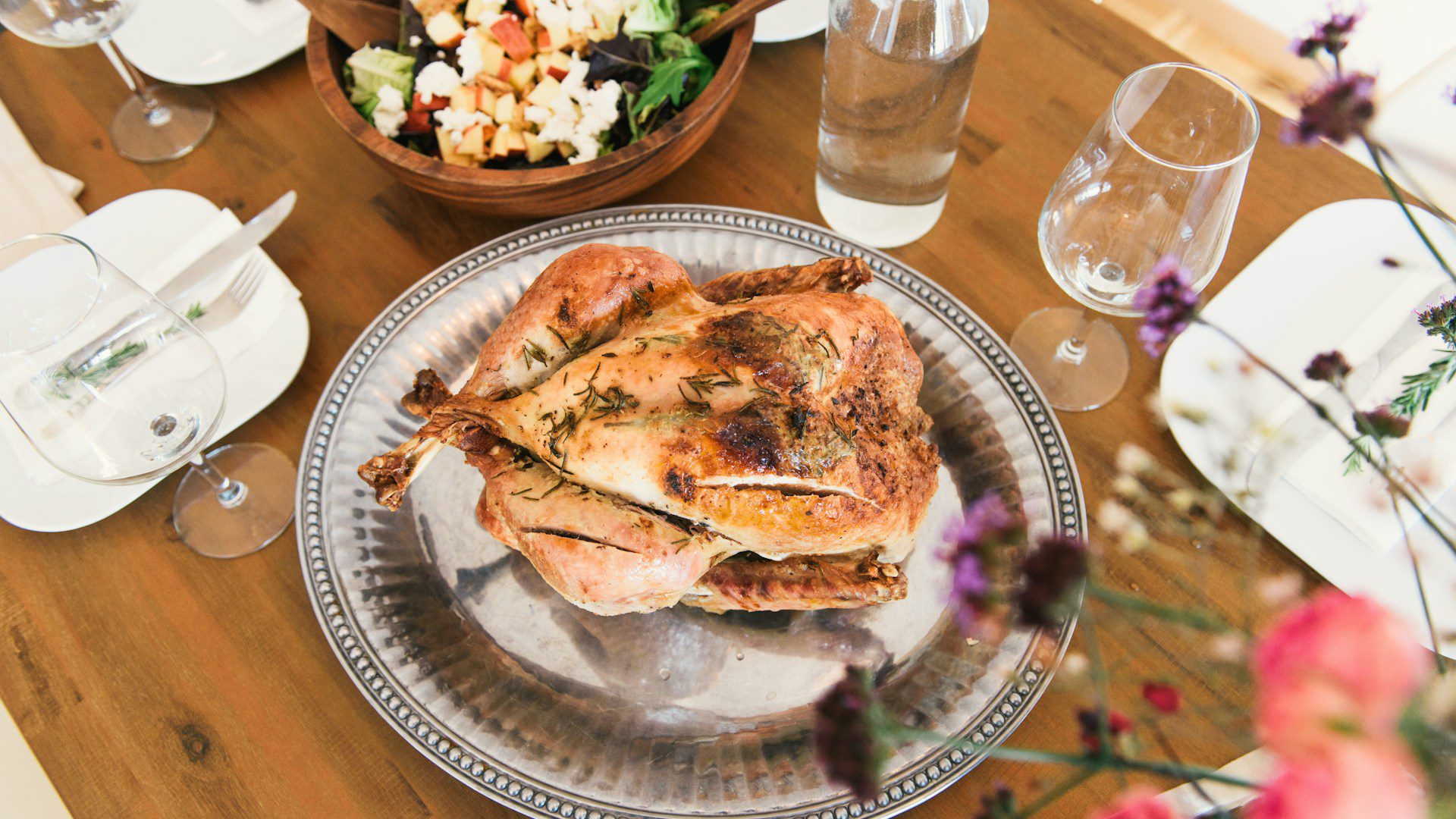
The national average for frozen conventional whole turkeys in early November is $1.26 a pound, compared with $1.03 a pound a year ago. And about 2,500 stores nationwide are advertising them.
Here is what the numbers say, why the price is up and how to get a good bird without wrecking your holiday budget.
The analysis comes from economist David Anderson of the Texas A&M AgriLife Extension Service, in a report on the Thanksgiving turkey market dated November 6, 2026.
Retail Turkeys Cost $1.26 A Pound, Up From $1.03
Early in November, the national average retail price for a frozen conventional whole turkey was $1.26 a pound. A year earlier the figure was $1.03.
That is a jump of 23 cents a pound. On a 16-pound bird, that works out to roughly $3.70 more than last year.
It is not a catastrophe, but it is noticeable, especially when the rest of the holiday meal costs more too.
Wholesale Prices Moved Up Too
The wholesale side tells a similar story. In late October, whole turkeys sold wholesale for $1.80 a pound, versus $1.69 a pound a year earlier.
Wholesale is what stores pay before they mark up the bird. It helps explain why the shelf price is higher, though the retail gap is wider than the wholesale one.
Stores often price turkeys aggressively in November to bring shoppers in, which is why it pays to watch the ads.
The Supply Is Recovering After A Rough Year
Here is the good news. Turkey production is recovering after last year’s decline of more than 8%.
Anderson says the number of birds going to market is up about 3%, and total pounds are up nearly 6%. That means more turkeys, and bigger ones, than last year.
So the price may be higher, but the shelves should not be bare.
“That Tells Me There Are Plenty Of Turkeys”
On the question of supply, Anderson pointed to store advertising. About 2,500 stores nationwide are advertising frozen conventional whole birds.
His conclusion was simple: “That tells me there are plenty of turkeys.”
When thousands of stores are promoting the same item, it is a sign they expect to have it in stock and want to sell it.
What The Supply Numbers Mean At The Store
A recovery from an 8% drop does not erase the earlier shortfall overnight, which is part of why prices have not fallen. Still, more birds and more pounds mean stores can stock their freezers without scrambling.
For shoppers, that makes waiting until the last minute less risky than it might sound. It is still smart to buy early in the week before Thanksgiving, when selection is widest and ads are fresh.
If you spot a good price now, a frozen turkey keeps well in the freezer until you are ready to thaw it.
Seven Ways To Save On The Thanksgiving Bird
You cannot change the national average, but you can change what you pay. Here are some moves worth trying.
- Compare weekly store ads. Turkey is a classic loss leader, which means stores sell it cheap to draw you in.
- Check the price per pound, not the package price, so you can compare birds of different sizes.
- Choose a frozen bird. The $1.26 figure is for frozen conventional whole turkeys, usually the cheapest option.
- Look for store deals that tie a turkey to a minimum grocery purchase, and see if you would buy that much anyway.
- Buy only what you need. A rough guide is about one pound per person, or more if you love leftovers.
- Consider a turkey breast if your group is small, so nothing goes to waste.
- Use a store card or app for digital coupons before you go.
Do Not Forget To Thaw In Time
If you buy a frozen bird, plan your thawing. The safest way is in the refrigerator, and a large turkey needs several days. A common guideline is about 24 hours for every 4 to 5 pounds.
That means a 16-pound turkey needs roughly three to four days in the fridge. Put it in the fridge early next week, and you will be safe.
If you are running late, a cold-water thaw is faster but needs attention. Check the USDA guidance for details on how to do it safely.
Stretching The Leftovers
A good bird pays you back after the holiday. Slice extra meat for sandwiches, freeze portions for soups and casseroles and simmer the carcass for broth.
Getting three or four extra meals out of one turkey changes the math. At $1.26 a pound, the cost per meal falls quickly.
The Bottom Line On Turkey Prices
Turkeys cost more than last year, but the supply is healthy and stores are advertising them in large numbers. That gives you the power to shop around and pick the best deal.
Watch the ads, buy by the pound and plan your thaw. If you do, your Thanksgiving table can still be full without costing a fortune.
More Stories You May Like
- Walmart Is Selling A Thanksgiving Basket With 18% More Items Than Last Year That Feeds 10 People For Just $35, And Last Year’s Smaller One Cost $39.92
- Thanksgiving In 1976 Meant Shrimp Aspic, Gelatin Molds And Handwritten Place Cards, But Fifty Years Later Turkey Trots And Black Friday Sales Have Taken Over
- Woman Notices Her Tostitos Hint Of Lime Bag Says Flavored Triangles Instead Of Chips, But The Real Reason Is Hiding In The Bottom Corner