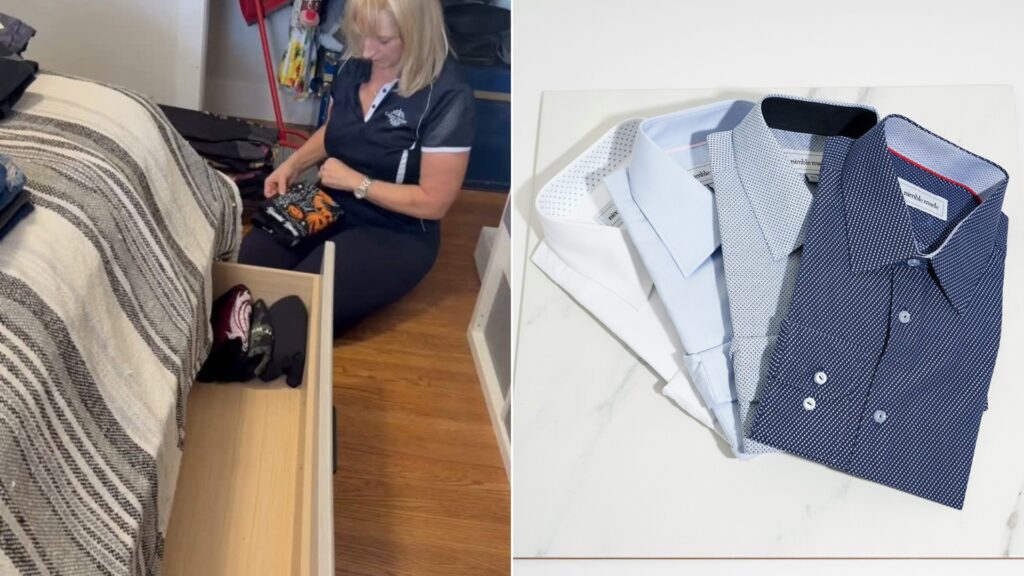
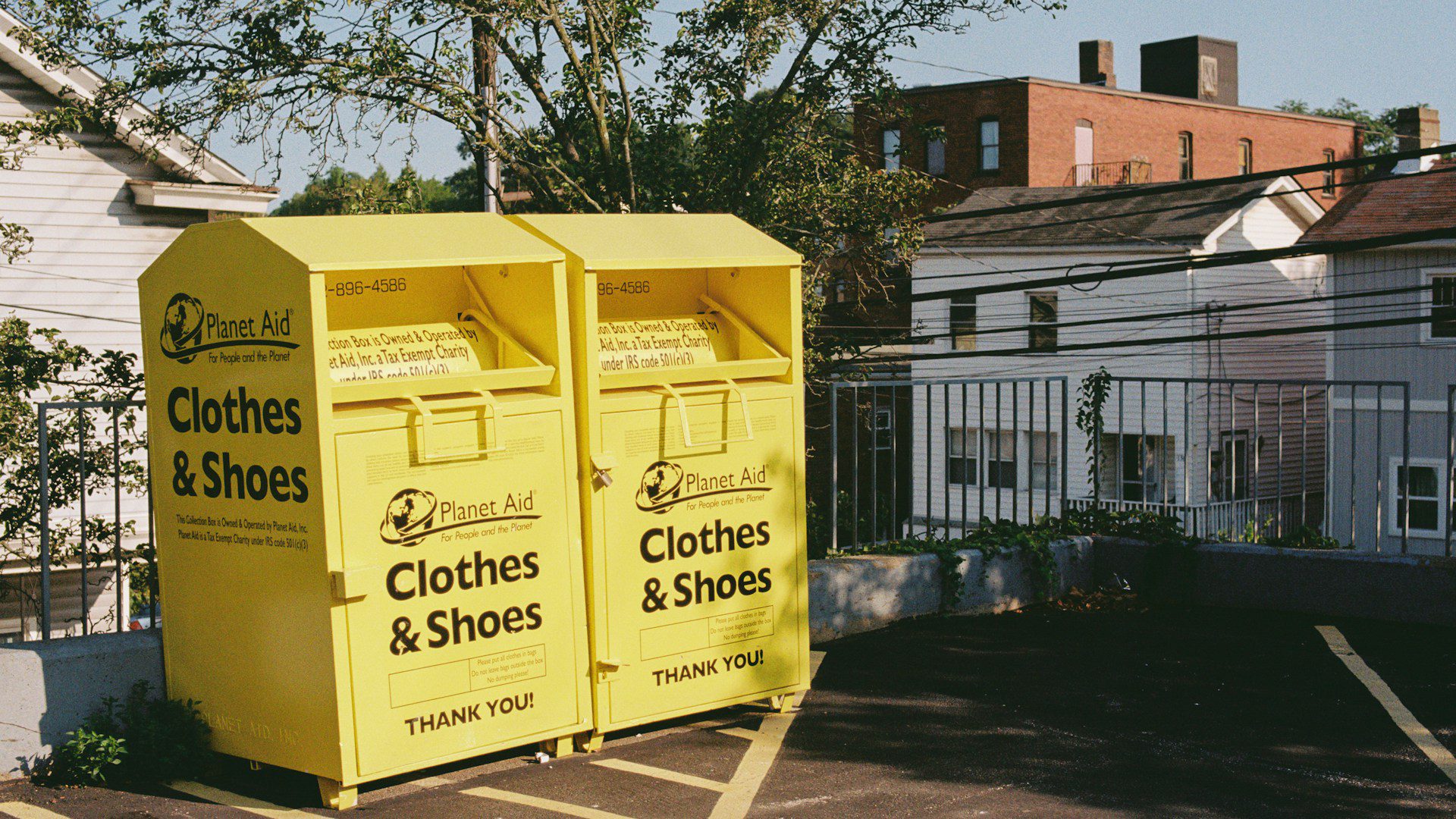
You pull into a grocery store parking lot with a bag of outgrown sweaters and spot a big, friendly donation bin with a heart on the side. It feels like the easy way to do good. But that bin may be run by a company that sells what you drop off for profit, and the charity you pictured may get very little or nothing at all.
That does not mean every bin is a scam. It means a few quick checks can tell you where your bag is really going before you let go of it.
Not Every Donation Bin Belongs To A Charity
Clothing bins come in three main flavors. Some are owned by well-known charities that collect clothes for their own thrift stores or programs. Some are run by for-profit companies that pay a charity a fee or a share, and some are run by for-profit companies with no charity tie at all.
The for-profit bins are often legal. Used clothing is a real commodity, and companies buy, sort and resell it, sometimes overseas. The trouble starts when the bin looks like a charity bin and a donor assumes the proceeds help a neighbor in need.
Look For The Name, The Phone Number And The Fine Print
Walk up to the bin and read the sides. Many states and cities require a bin to show the operator’s name and a phone number, and some require a note on whether the operator is a charity or a for-profit business. Rules vary by place, so a missing label is a warning sign, not proof of wrongdoing.
Look for a street address, not just a slogan. A phrase like “helping families” or a photo of a smiling child tells you nothing about who runs the bin. A named charity with a phone number you can call tells you plenty.
Ask The Questions The FTC Suggests Before You Give
The Federal Trade Commission’s advice for giving to charity is simple. Ask who is collecting, how the donation will be used, and how much goes to the cause. If you cannot get a straight answer, give somewhere else.
You can also look up a charity you recognize. The IRS keeps a Tax Exempt Organization Search tool that shows whether a group is a registered charity, and your state’s charity regulator, often in the attorney general’s office, can tell you if an operator is registered to solicit.
Why A Receipt And A Tax Deduction Depend On Who Gets The Bag
If you plan to deduct a donation, the gift generally has to go to a qualified charity, and larger gifts need a written record from that group. A for-profit bin cannot give you that kind of receipt.
Keep a simple list of what you gave, with the date and place. Take a quick photo of the bag before you drop it off. Ask your tax preparer how the rules apply to your situation, since they depend on the amount and what you itemize.
Drop-Off Spots You Can Trust Without A Second Guess
The safest route is to hand your bag to a person at a thrift store you know, or to a donation center staffed during business hours. Well-known charity thrift chains post their locations and accepted items on their websites, and many local shelters, churches and community programs gladly accept clean clothing.
Calling ahead is worth the two minutes. Ask what they need right now, since some groups are short on winter coats while others are full of summer shirts.
Better Homes For Clothes That Are Too Worn To Wear
Not every item is fit for another closet. Stained, torn or worn-out clothes often cannot be sold at a thrift store, and charities pay to get rid of what they cannot use. Ask whether your local program accepts textiles for recycling, since some do and some do not.
Clean, wearable items in good shape do the most good. Items that are in poor shape are better saved for rags, or taken to a textile recycling program that says so plainly.
Sell The Good Stuff And Give The Rest With Purpose
Quality pieces, like a wool coat, a name-brand pair of boots or a nice handbag, may be worth selling online or through a consignment shop. Check what similar items sold for, not what they are listed at, then decide whether the effort is worth it.
What remains can go straight to a program you trust. Cleaning out a closet feels better when you know your gift reached someone who needed it.
A Two-Minute Checklist Before You Drop The Bag
- Read the bin for an operator name, address and phone number.
- Look for a statement about whether the operator is a charity or a business.
- Search the name online with the word “reviews” or “complaints.”
- Check the group in the IRS tool or with your state charity office.
- If anything feels off, take the bag to a thrift store you know.
Giving away your clothes should feel good. A short look at the side of the bin makes sure your generosity goes where you meant it to go.
More Stories You May Like
- Reseller Made $839.11 Profit In One Week From 39 Sales, But A Reversible Puffer Jacket Sat For 279 Days Before Selling For Just $40
- Couple Gets A Mastercard Alert, Then Finds Their Nine Year Old Spent $28,000 On Roblox Add Ons And The Company Still Refuses To Forgive $20,000 Of It
- Trader Joe’s $2.99 Mystery Bag Packs Are So Hard To Find That Unopened Ones Are Reselling For $25 On Ebay, And Shoppers Say Call Ahead Before You Go