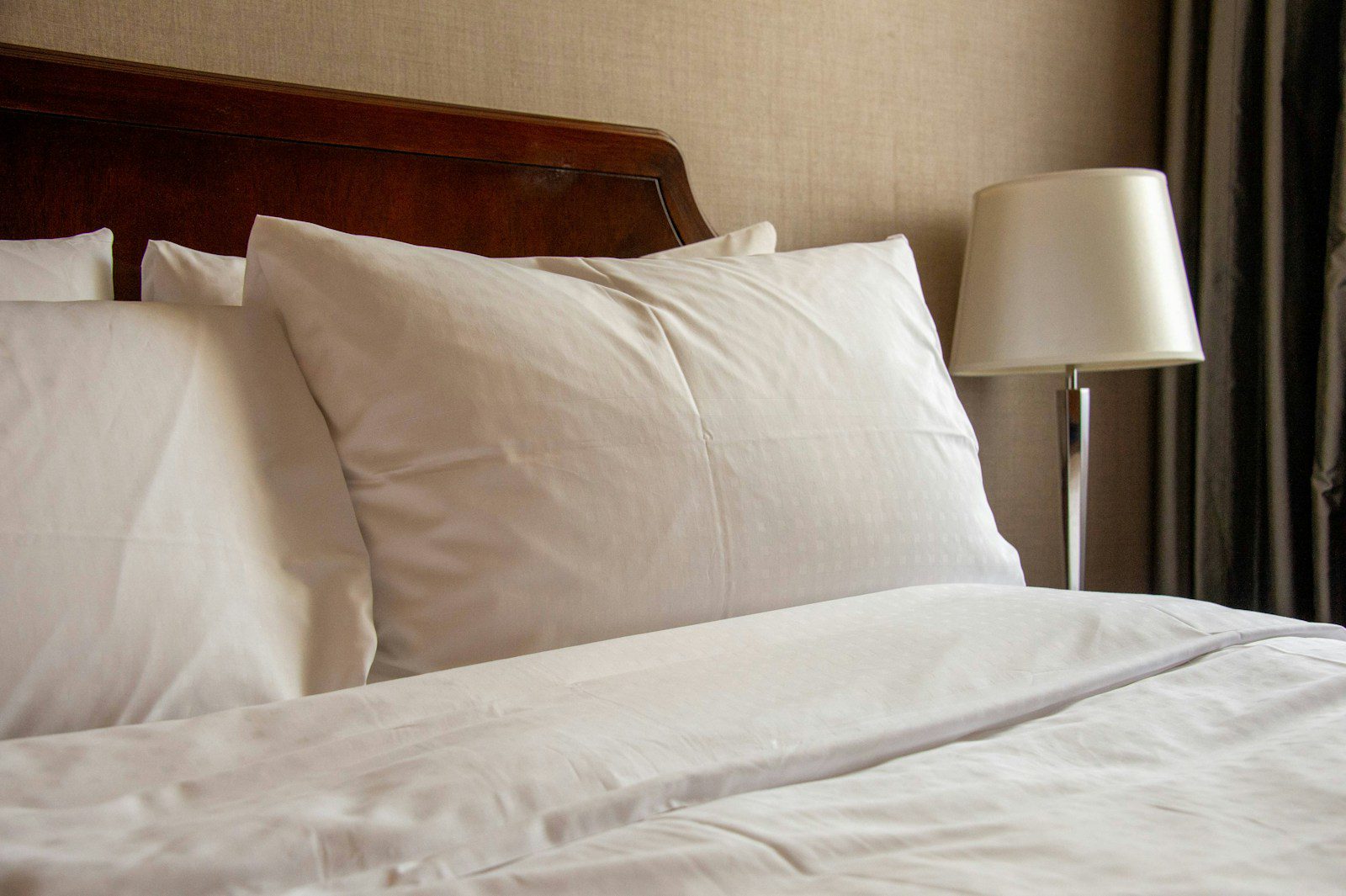
The pillow under your head tonight is probably older than you think, and that’s the actual problem, not the pillow itself. The Sleep Foundation puts the realistic lifespan of most pillows at one to two years, yet polyester versions, the most common type sold, can start breaking down in as little as six months. The Asthma and Allergy Foundation of America recommends replacing pillows every two years for a reason that has nothing to do with comfort and everything to do with what accumulates inside them while you sleep. If your morning sneezing has become routine and you’ve blamed everything from pollen to your carpet, the pillow itself deserves a second look before either of those. Most people simply don’t think to date their pillows the way they’d date a mattress or a box of leftovers, so a two-year-old pillow ends up sitting in the same rotation as one bought last month, indistinguishable at a glance and treated identically until symptoms force the question.
What’s Actually Building Up Inside the Case
A pillowcase is a filter, not a barrier, and that distinction matters more than most people realize. The Sleep Foundation notes that face and hair oils, sweat, drool, and general household dirt work their way through the fabric over months of nightly use, which is why older pillows develop the yellowish staining people notice long before they think to question what caused it. Underneath that surface layer, the bigger issue for allergy sufferers is what the Asthma and Allergy Foundation of America flags directly: dust mites, the microscopic insects that feed on shed human skin cells, thrive in pillows precisely because a sleeping head provides warmth, humidity, and a steady food supply within inches of the nose and mouth every single night. The Asthma and Allergy Foundation of America is specific about what that exposure can trigger, noting that proximity to accumulated dust mite allergens is a common driver of nighttime allergy and asthma symptoms that people often assume come from something else in the bedroom entirely, whether that’s a pet, a rug, or an open window.
Encasements and Washing Do Buy You Time
Replacement isn’t the only lever available, and the Asthma and Allergy Foundation of America points to a middle option worth knowing about. Pillows and pillow covers carrying the organization’s CERTIFIED asthma & allergy friendly mark have been independently tested to block allergens like dust mites from passing through the fabric while still staying breathable enough to sleep on comfortably. Washing existing pillows on a regular cycle, following whatever the care label allows, removes some of that surface buildup between replacements, though it doesn’t reset the clock on a pillow’s structural lifespan the way a fresh one does.

Why the Lifespan Varies So Much by Material
Not every pillow degrades at the same pace, and knowing which type you own changes how seriously you should take the calendar. According to the Sleep Foundation, polyester pillows are the least durable, often needing replacement within six months to two years, while down and feather pillows tend to last one to three years. Memory foam and polyfoam fall in the two-to-three-year range, and latex pillows hold up the longest, typically two to four years, before losing enough structure to matter. The material doesn’t just affect how the pillow feels; it determines how long allergens and skin oils have to accumulate before the pillow’s structure finally breaks down enough for you to notice the difference in support.
A Simple Test That Doesn’t Require Guessing
You don’t need a lab to figure out whether your pillow is overdue. The Sleep Foundation offers a version of this test specifically for down and feather pillows: fold the pillow in half and let go. If it doesn’t spring back to something close to its original shape, it has lost the loft that once kept it supportive, and replacement is overdue regardless of how many months have technically passed. Waking with a sore neck, noticing visible sagging or lumping, or finding that your allergy symptoms seem to intensify specifically at night rather than during the day are the other signals both organizations point to. None of these require replacing every pillow in the house on a fixed schedule. They just require paying attention to the one you’re actually using.
What both the sleep research and the allergy guidance keep landing on isn’t really about pillows at all. It’s about how easily an object that touches your face every night for years can become invisible to you specifically because nothing about it changes overnight, only gradually enough that the mirror never asks you to notice.