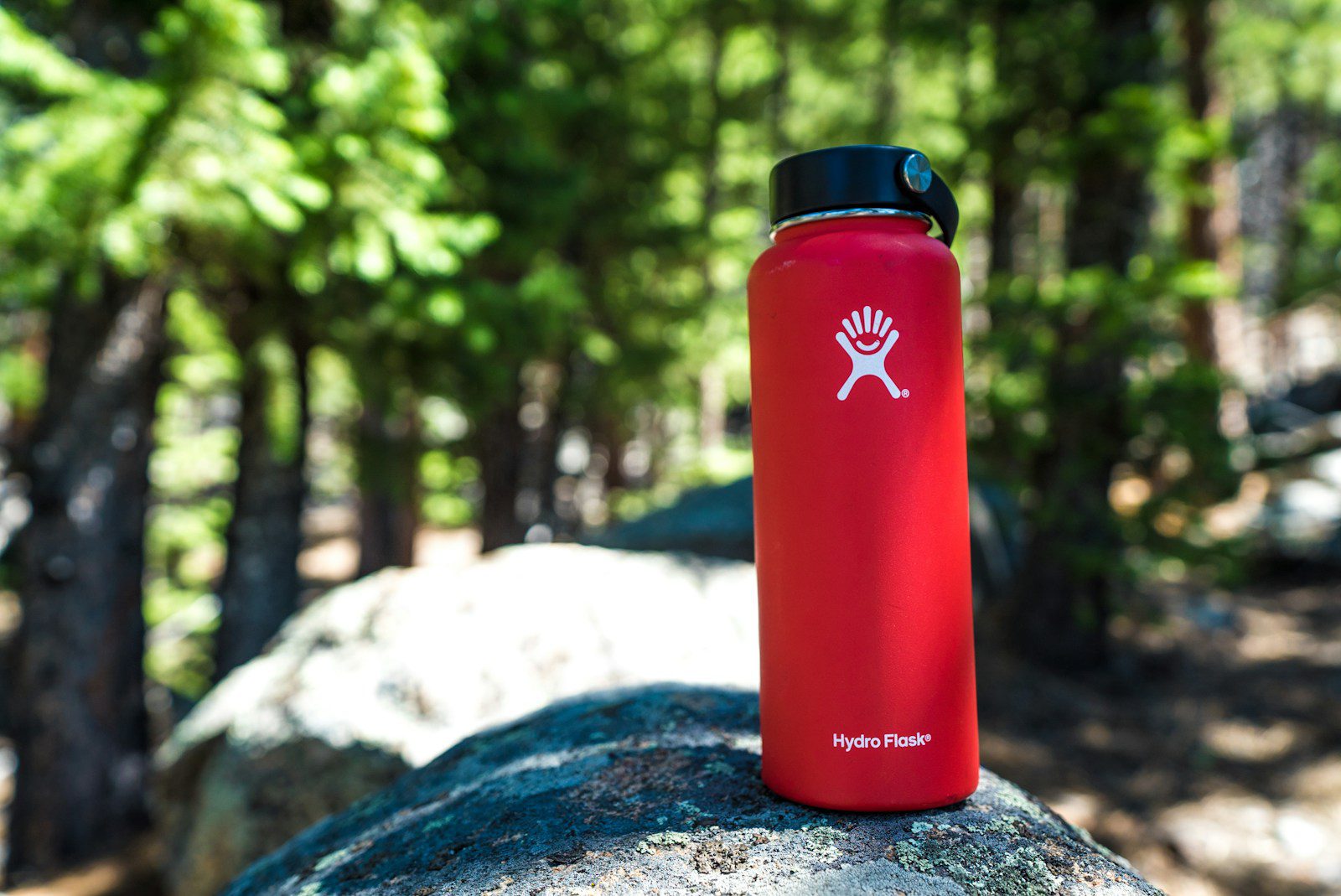
A Denver-based team of water-quality researchers spent part of 2022 swabbing the parts of reusable water bottles that almost nobody thinks to scrub, and the lab counts came back worse than expected. Bottles with spout-top or screw-on lids averaged 30 million colony-forming units of bacteria, a load the researchers calculated at roughly 40,000 times what typically shows up on a household toilet seat. A separate academic study went further and named names, finding real bacterial colonies growing specifically around the mouthpiece. Meanwhile the kitchen sponge you’ve been side-eyeing for years carries its own contamination, just a different kind. The comparison matters less than what it tells you about a habit almost every household treats as harmless.
The mouthpiece is the problem, not the water
Researchers at the British Columbia Institute of Technology ran a controlled study on personal stainless steel bottles, swabbing a fixed patch of surface around the mouthpiece and culturing what grew. Bottles cleaned within the past month carried a mean of 293 CFU per 100 square centimeters at the 24-hour mark, climbing to 543 CFU after 72 hours of incubation. Bottles cleaned within the past day still carried meaningful bacterial loads of their own. The study’s authors were candid that the statistical difference between daily-cleaned and monthly-cleaned bottles was smaller than intuition suggests, but they still recommended following manufacturer cleaning guidance from brands like Rubbermaid, Contigo, and Thermos rather than skipping it.
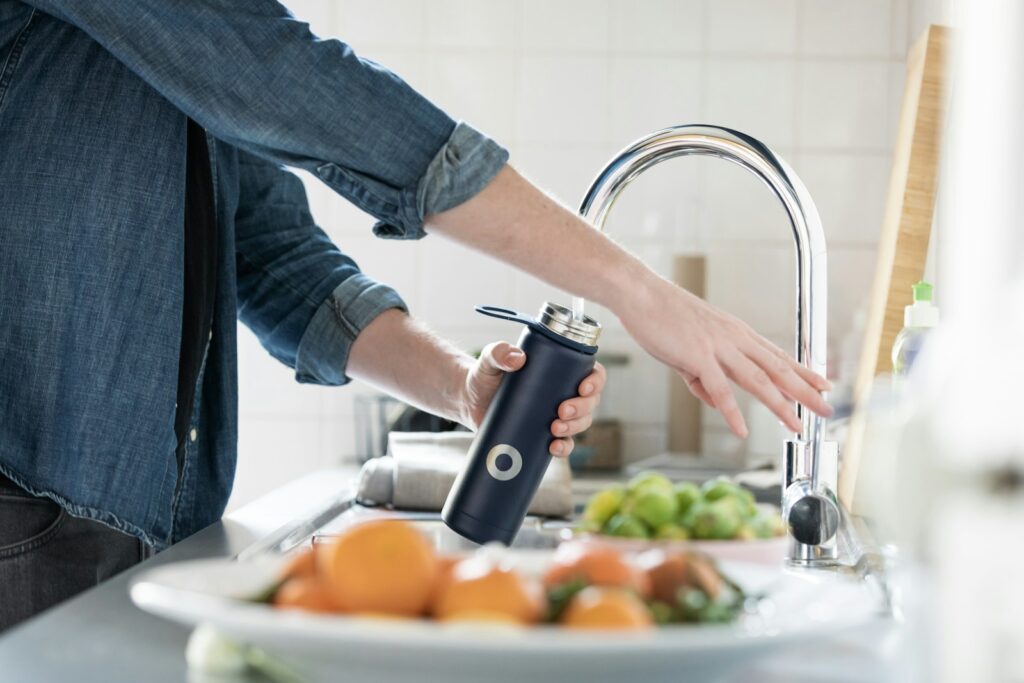
What makes the mouthpiece and straw-lid assemblies worse than a plain open-top cup is architecture. A spout or straw creates a narrow, humid channel that air rarely reaches, and saliva left behind after every sip becomes a steady food source. The WaterFilterGuru testing found squeeze-top bottles came in far cleaner, at roughly 3 million CFU on average, precisely because there’s no hidden crevice for anything to hide in. The lid design you picked for convenience is often the same one working against you.
How the sponge stacks up
None of this means your kitchen sponge is off the hook. NSF International’s household germ study found that more than 75% of dish sponges and rags tested positive for coliform bacteria, a marker linked to fecal contamination, making sponges one of the most consistently dirty objects tested in an average home. That figure dwarfed most bathroom surfaces the same study checked. The honest comparison isn’t which single item wins the contest. It’s that two objects people rinse out of habit and consider basically clean are both running much higher bacterial loads than a quick visual check would ever suggest.
What actual cleaning frequency looks like
A rinse under the tap doesn’t reach the inside of a straw or the threads under a screw-on cap, which is exactly where testing found the highest counts. The water quality researchers behind the swab testing recommend washing bottles daily with hot, soapy water, drying them fully before the next fill, and running a deeper sanitizing pass — a diluted bleach soak, a dishwasher cycle, or a specialty tablet — on a weekly basis. Bottles used for anything besides plain water, including protein shakes or juice, need that deep clean more often, since sugars and proteins feed bacteria faster than water alone. Disassembling the lid completely for each wash, rather than just swishing water through it, is the step most people skip and the one doing the most damage by omission.
Material makes less difference than you’d think
Stainless steel gets marketed as the cleaner, more hygienic choice over plastic, and in terms of leaching chemicals that’s fair. Bacterially, though, the BCIT researchers tested stainless bottles specifically and still found meaningful colony growth building on the mouthpiece within a single day of use. Plastic bottles can develop scratches that give bacteria more surface area to cling to over time, but a smooth steel rim with a poorly cleaned straw assembly isn’t automatically safer. The lid geometry and the cleaning habit matter more than what the bottle itself is made of, which is part of why so many people assume their newer, pricier bottle is fine without ever checking.
The pattern here isn’t really about germs at all. It’s about which everyday objects earn a pass just because they look clean, and which ones quietly build up the exact conditions a lab test is designed to catch.