


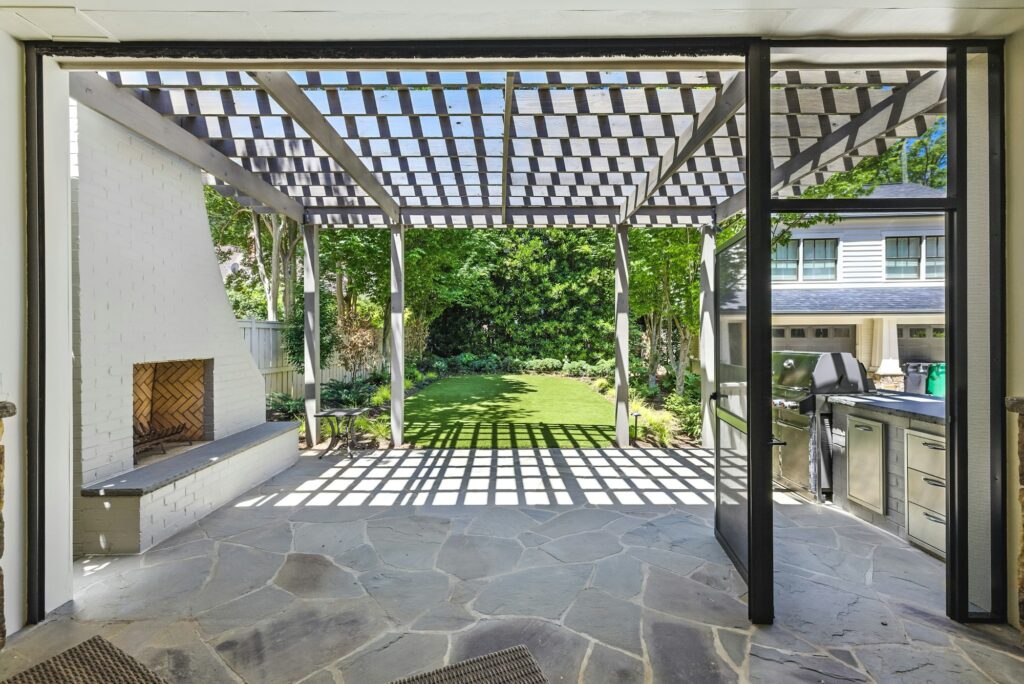
Seventy-seven percent of homeowners say they wish they spent more time outside, and nearly 60 percent plan to put real money into their outdoor spaces this year, according to Trex’s 2026 outdoor living trends report. That is not a small statistic to sit with. It means the backyard has quietly become one of the most emotionally loaded spaces in the American home, the place people wish they were rather than the place they actually are. The flat concrete patio with a grill pushed against the fence is not meeting that wish, and homeowners know it. What is replacing it looks less like an accessory to the house and more like a second home entirely, with its own rooms, its own materials, and its own reasons to linger. If you have been eyeing your own backyard and wondering why it feels more like a leftover space than a destination, you are reading the trend data at exactly the right moment.
From One Flat Patio to a Backyard Full of Rooms
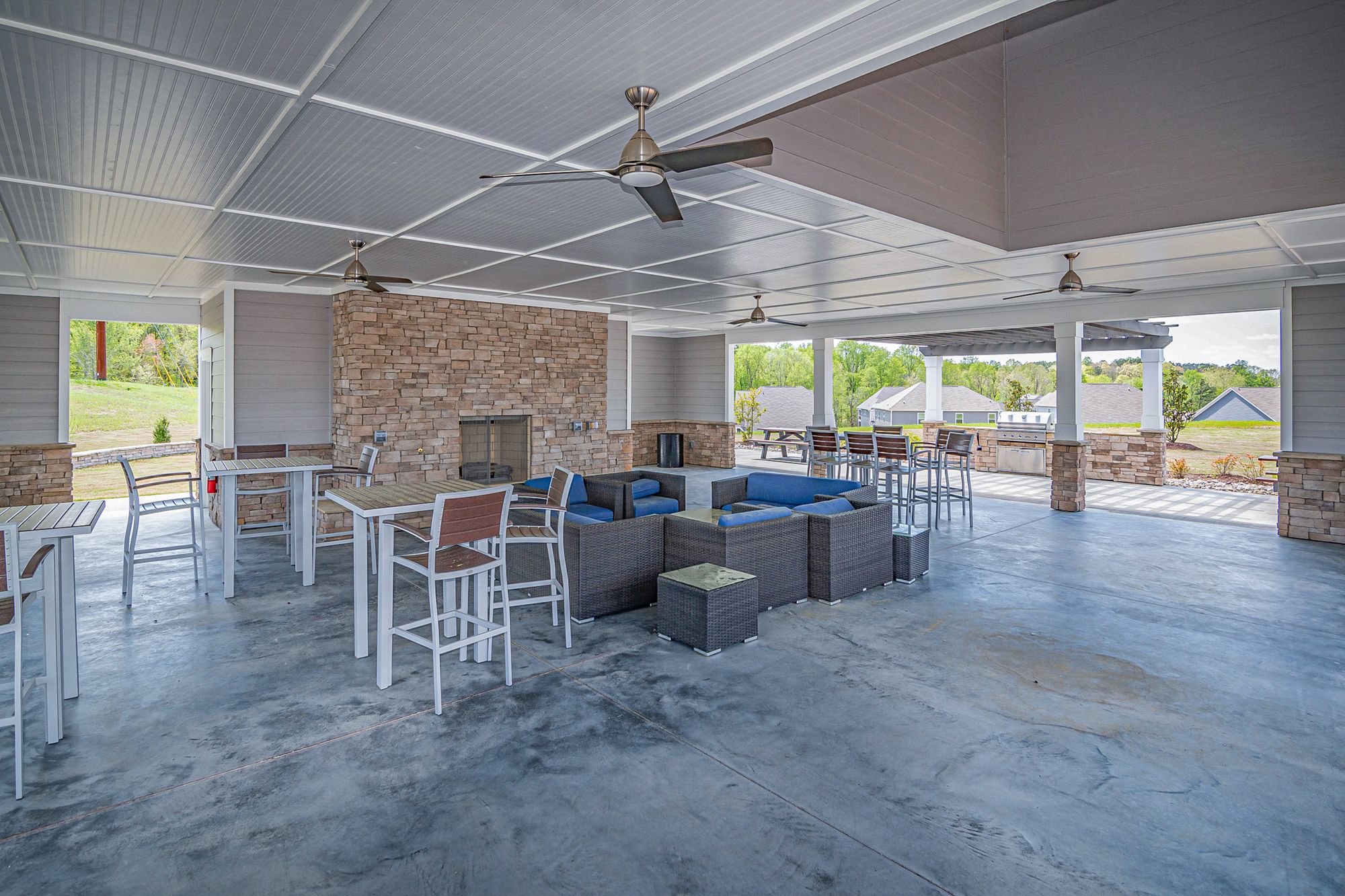
The biggest shift in this year’s report is what Trex calls “micro-resort living,” and it is a genuinely useful way to think about your yard. Instead of one undifferentiated slab meant to do everything, homeowners are carving their outdoor square footage into distinct zones: a dining area, a lounge with low seating, a cooking station, sometimes a small wellness corner for yoga or a soaking tub. Jodi Lee, Trex’s senior vice president of marketing, put it plainly in the company’s release: “Homeowners want outdoor spaces that deliver style with substance that can stand up to everyday life.” That phrase, style with substance, is doing a lot of work. It is not enough for a space to photograph well. It has to hold up to a Tuesday night with kids and a Saturday dinner party with twelve people, and those are different jobs that deserve different corners of the yard.
This is not just a Trex talking point, either. The National Association of Landscape Professionals’ 2026 design trend report independently identified almost the same shift, describing a move toward what its contributors call defined outdoor rooms rather than one large showcase lawn. Landscape designer Tyler Bigham of Alterra Landscape Design told the association that homeowners are focusing on features that provide long-term value and low maintenance, like durable natural materials, efficient irrigation, and multi-functional outdoor spaces. When two separate industry reports land on the same idea from different angles, that is worth paying attention to. Your yard does not need to be large to borrow this idea. Even a modest deck can be zoned with a rug, a change in seating height, or a simple pergola that signals “this corner is for something different than that one.”

Warm Tones Are Quietly Replacing Cool Gray Everything
If your deck or patio furniture leans cool gray, you are in good company, but the palette is turning. Trex named a warm taupe called Biscayne its 2026 color of the year, and the broader report describes homeowners moving toward earth-inspired browns, terracottas, and warm mid-tones after nearly a decade of cool grays and whites dominating outdoor design. It is a return to something that feels more like an extension of the actual earth your yard sits on, rather than an extension of a bathroom renovation. Designers are also mixing materials within that warmer palette, pairing composite decking with natural stone, black metal accents, and structural greenery so the space reads as layered instead of matchy. You do not have to rebuild your whole deck to catch this wave. A few new planters, a stone-topped side table, or swapping out cushion fabric in a warm ochre or clay tone can shift the whole feeling of a space that otherwise stays the same.
Why Composite Materials Keep Winning
Durability has become a design feature in its own right, not just a maintenance footnote. Trex’s report frames this as climate-resilient materials moving from nice-to-have to non-negotiable, and the reasoning tracks with what anyone who has repainted a wood deck three summers in a row already knows. New Jersey design influencer Courtney Thompson, quoted in the report, described the appeal in the most relatable terms possible: “I love that when someone spills a glass of red wine or a kid smudges ketchup into the deck, I can just break out a hose and wash it off.” That is not a luxury feature. That is a parent’s actual life. Composite decking, railing, and fencing systems are built from a blend of recycled wood fiber and plastic, which means they resist the fading, warping, and splintering that turn a wood deck into a weekend chore list. The sustainability angle matters here too. Choosing a material that keeps its color and structure for decades, rather than one that needs replacing or re-staining on a two-year cycle, is quietly one of the more responsible choices you can make in a backyard renovation.
Lighting Has Become Part of the Architecture
Lighting used to be an afterthought, a string of café bulbs added the week before a party. Now it is being designed in from the start, woven into railings, stair risers, and the underside of built-in seating so that a space transitions naturally from a bright afternoon hangout to something with real evening atmosphere. This ties directly into the multi-zone idea above. A cooking area needs bright, task-oriented light, while a lounge corner wants something dimmer and warmer, and treating those as two separate lighting plans rather than one string of bulbs is what makes a yard feel intentional after dark. It is also one of the more affordable ways to upgrade an existing space. You do not need a full deck rebuild to add low-voltage path lights, a few well-placed sconces, or dimmable string lighting layered at two different heights.
Designing for Every Season, Not Just July
Perhaps the most practical shift in the report is the push toward year-round usability. Climate-resilient materials that will not crack in freezing temperatures or warp in humidity are part of that story, but so is a broader mindset change: homeowners are asking their outdoor spaces to earn their keep in October and February, not just June and July. That might mean a fire feature that anchors a lounge zone through the shoulder seasons, a partially covered structure that keeps rain off a dining table, or simply choosing furniture and materials that do not need to be hauled inside every time the temperature drops. Even homeowners in smaller yards are getting in on this, with the report noting that compact spaces are being designed with the same intentionality as sprawling ones, so that a modest deck can feel just as finished and just as usable in the cooler months as a much larger one.
What All of This Adds Up To
What ties these threads together is not any single material or color chip. It is a change in what people expect a backyard to do for them. A patio was historically a surface, something to put a table on. What is replacing it is closer to a small suite of rooms, each with a job, each dressed in materials that will still look good after a decade of actual living rather than careful preservation. You do not need to execute all six trends at once, and you certainly do not need a professional-grade renovation budget to borrow from this thinking. Start with the zone you actually use most and give it the materials, light, and warmth it deserves, and let the rest of the yard follow at its own pace.