


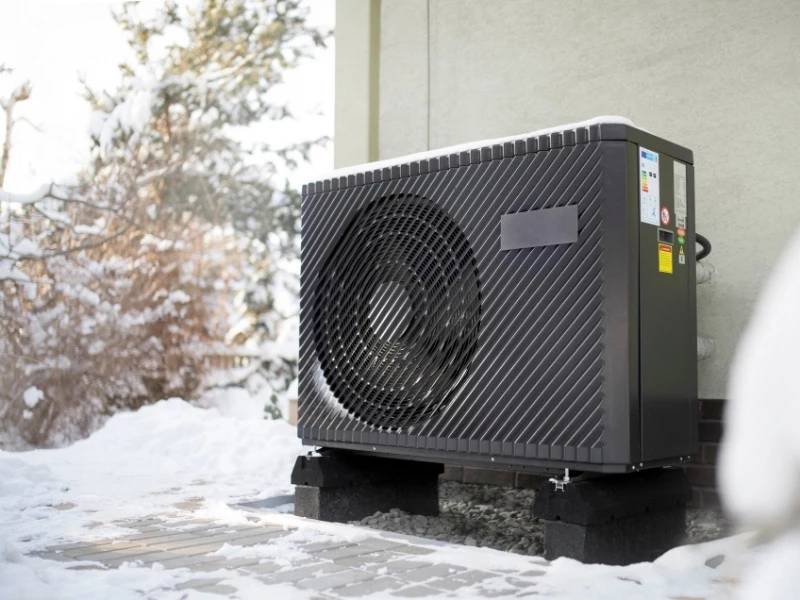
Winter is hard on outdoor equipment, and your air conditioner is no exception. If you want reliable cooling the moment the first hot spell hits, you need a clear plan to shield the unit from ice, debris, and accidental damage without suffocating it. The most effective strategy balances simple maintenance, smart protection, and a realistic understanding of what your system is already built to handle.
Instead of wrapping your condenser in layers of plastic and hoping for the best, you can follow a few targeted steps that keep moisture, rodents, and corrosion in check while preserving airflow. With a little work in fall and a quick checkup in spring, you protect your investment, avoid surprise repair bills, and extend the life of your AC.
Know what your AC is actually built to survive
The first step in protecting your AC is understanding that the outdoor unit is not fragile. Manufacturers design modern condensers to sit outside year round, exposed to rain, snow, and freezing temperatures, without suffering catastrophic damage. Central systems are literally built to Beat the Cold, with cabinets, coils, and electrical components engineered to handle typical winter weather in the regions where they are sold.
That durability is especially true for Modern units, which use corrosion resistant materials and sealed electrical compartments to keep out moisture. When you recognize that your condenser is already designed as an outdoor appliance, you are less likely to overprotect it with heavy tarps or airtight covers that trap condensation. That mindset shift is the foundation for every other winter step you take.
Why a full cover can do more harm than good
Once you know your AC can handle cold, the next question is whether to cover it at all. A lot of homeowners instinctively reach for a big vinyl shroud, but a Full AC cover can actually create the very problems you are trying to avoid. When you wrap the cabinet on all sides, you restrict airflow around the coils, which lets moisture linger, encourages rust, and can even foster mold growth inside the unit.
That trapped moisture also makes the space more attractive to insects and rodents looking for a dry winter home. Several HVAC experts warn that Covering the entire condenser can block ventilation, leading to corrosion and pest damage that would not have occurred if the unit had been left partially open. In other words, a full wrap may look protective, but the side effects usually outweigh the benefits.
When a cover actually makes sense

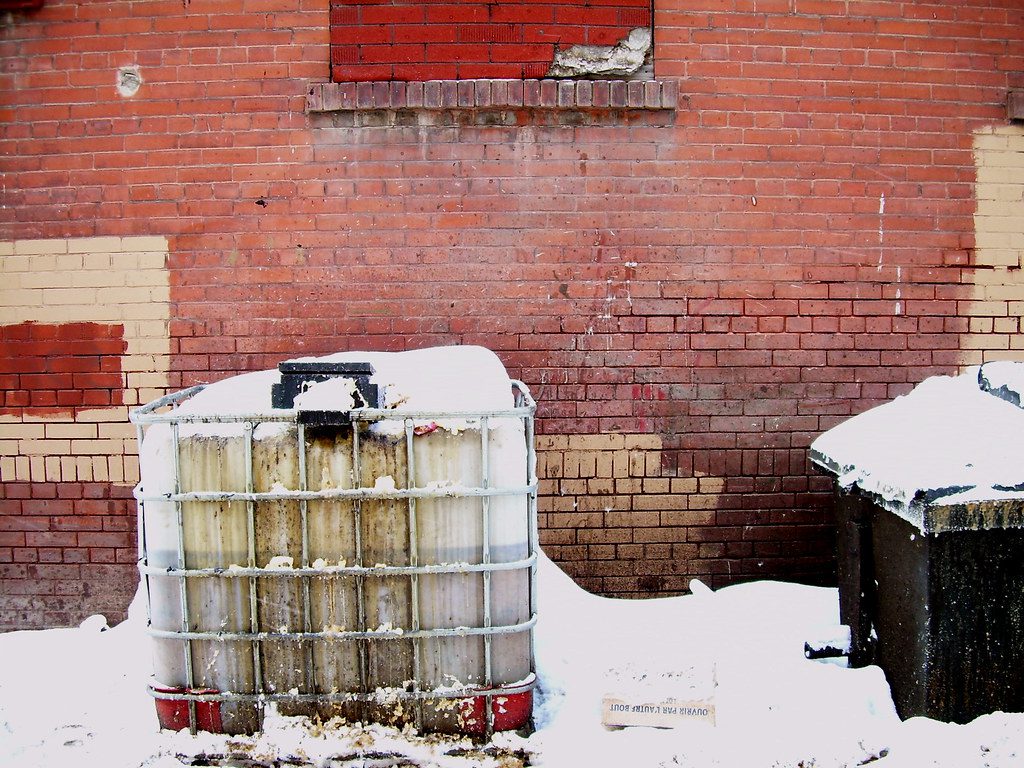
There are situations where some protection is helpful, especially if your unit sits under trees or in a spot that collects falling ice. In those cases, a breathable top cover that shields the fan grille from branches and icicles can reduce physical damage without sealing the cabinet. Some technicians recommend a short, open sided cover that only protects the upper portion of the condenser so air can still circulate around the coils and base.
If you decide to use one, the key is to avoid anything that functions like a tarp. Guidance from Aire Serv notes that Covering is not always necessary and should never involve plastic sheeting that traps condensation against metal surfaces. A better approach is a purpose made, breathable fabric that fits loosely and leaves the bottom open, or a rigid top shield that simply blocks vertical debris.
Start with a thorough fall cleanup
Before the first freeze, the most valuable thing you can do is clean around the condenser. Leaves, grass clippings, seed pods, and trash tend to pile up against the cabinet in late summer and fall, and if you leave that organic mat in place, it holds moisture against the metal and restricts airflow. Clearing a wide perimeter now reduces the risk of corrosion and makes it easier for snow and ice to melt away from the unit later.
Many winter care checklists emphasize this basic step. One guide on How Winter Weather Affects Your Outdoor AC Unit stresses that you should remove any debris, leaves, or dirt from around the base to protect performance. Another resource on How to Winterize Your Home Air Conditioning System recommends you Clean the Outdoor Unit and Make sure the external condenser is free of obstructions before winter sets in. A few minutes with a rake and a hose can prevent months of trapped moisture.
Shut the system down the right way
Once the cooling season is over, you should power down the outdoor unit so it does not accidentally start during a warm spell. If the condenser kicks on while the coils are still encased in ice or snow, the fan and compressor can strain against the blockage, which is unnecessary wear. Turning off the disconnect near the unit and flipping the breaker inside keeps the system safely idle until spring.
One step by step guide describes this as Step 1, labeled Shut Er Down, in a broader process for preparing your system for cold weather. Another checklist on How to Winterize Your AC Unit highlights the need to Power Off the Unit so it does not turn on during brief warm snaps. Taking this simple precaution protects the equipment and also signals to anyone in the home that cooling is off for the season.
Protect against pests and hidden moisture

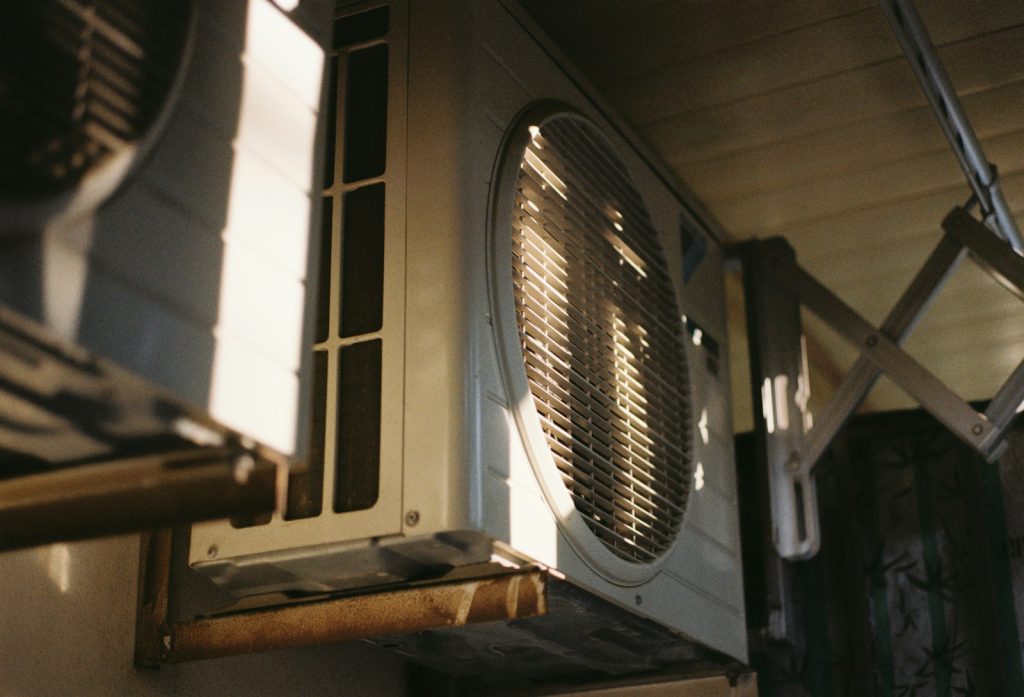
Winter is prime time for small animals to look for shelter, and an idle condenser can seem like a perfect nesting spot. Rodents can chew wiring, shred insulation, and leave behind debris that blocks the fan. To reduce that risk, keep vegetation trimmed back, avoid stacking firewood or storage bins near the unit, and inspect the cabinet openings for signs of gnawing or droppings before the snow piles up.
Moisture is the other hidden threat. Experts who argue you should not wrap the cabinet in plastic point out that Covering Your Air Conditioner Can trap condensation against metal surfaces, which accelerates rust and can damage internal components. That is why some technicians prefer leaving the sides open or using only a top cover, so any moisture that gets in can also get out. The goal is to keep critters and standing water away from the unit, not to turn it into a sealed box.
Use partial covers and shields instead of tarps
If you live in a region with heavy snow or ice falling from a roofline, a targeted shield can be a smart compromise. A rigid awning or a simple plywood deflector mounted above the unit can redirect ice chunks and icicles without wrapping the condenser itself. This kind of overhead protection is especially useful when the unit sits directly below a steep roof or metal gutter where sliding snow is common.
Some homeowners also use short, breathable covers that only protect the top third of the cabinet. Guidance from Do You Need to Cover Your HVAC Unit for Winter notes that Why Covering Your AC Is sometimes a Good Idea comes down to shielding the Air conditioner from falling debris, not wrapping it airtight. The emphasis is always on breathable materials and partial coverage, never on tarps that cling to every surface.
Winterizing beyond the outdoor box
Protecting your AC for winter is not only about the metal cabinet outside. The same ductwork, blower, and filters that serve your air conditioner often support your furnace or heat pump in cold weather. If those components are dirty or neglected, your heating performance suffers and your cooling system starts the next season at a disadvantage. That is why many HVAC pros treat winterizing as a system wide tune up rather than a single outdoor chore.
One guide titled Winterize Your Air Conditioner For Optimal Performance explains that Why Is It Important To Winterize Your Air Conditioner is tied to overall Winterizing steps like changing air filters, checking thermostat settings, and confirming that condensate lines are clear. When you handle those tasks along with the outdoor prep, you set up both your heating and cooling equipment for smoother operation and fewer surprises.
How to tell if your unit needs extra attention
Not every home needs the same level of winter protection. If your condenser sits in a sheltered courtyard with no overhanging trees and mild winters, basic cleaning and power shutoff may be enough. On the other hand, if you live in a region with frequent ice storms, heavy road salt, or strong winds that drive snow into every crevice, you may want to add more frequent inspections and a top cover or shield.
Regional climate is only part of the equation. The age and condition of your system matter too. Older equipment that predates some of the corrosion resistant designs or systems with existing rust may benefit from more careful monitoring. If you are unsure, a preseason inspection from a licensed technician can flag vulnerabilities and help you tailor your winter strategy to your specific setup.
More from Decluttering Mom: