


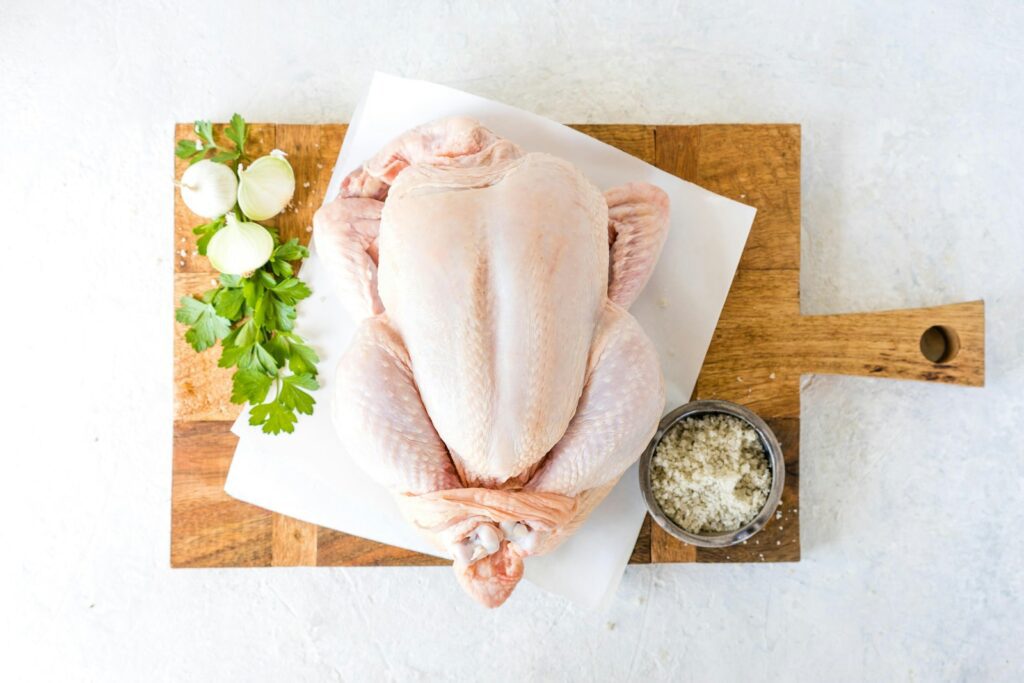
Ah, the age-old question that seems to pop up in kitchens and family gatherings everywhere: “Do you wash chicken before cooking it?” It’s a topic that ignites passionate debates among home cooks, food safety enthusiasts, and, let’s be honest, anyone who’s ever had to prepare a meal. Some folks swear by washing their chicken, believing it makes their dinner cleaner and tastier. Others, however, look at them like they’ve just suggested putting pineapple on pizza. So, what’s the deal? Let’s break it down.
The Argument for Washing Chicken

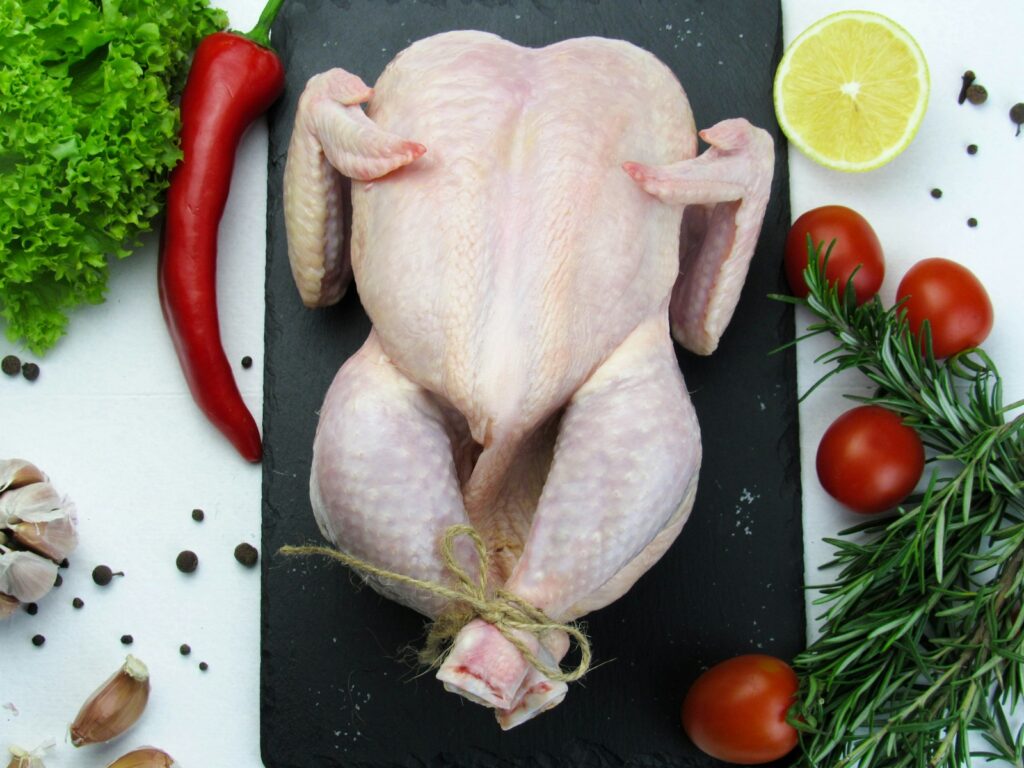
Those who advocate for washing chicken often point to the idea that rinsing it under water helps remove bacteria like Salmonella or Campylobacter. They’ll tell you that a good rinse can wash away any residual gunk left from processing. “It just feels cleaner!” they say, as they hold the chicken aloft like a trophy. Plus, washing chicken can sometimes help remove any pesky feathers or bits that didn’t quite make it off in the packaging.
But here’s where it gets sticky (pun intended)—the experts have something to say about this practice. Many food safety authorities, including the USDA, have come out swinging against washing raw chicken. Their argument? Rinsing it can actually do more harm than good. When you wash chicken, water can splash bacteria onto your sink, countertops, and any nearby food, creating a whole new opportunity for cross-contamination. So, while you might feel like a culinary superhero, you could inadvertently be making things worse.
The Case Against Washing Chicken
Let’s talk about the other side of the coin. The USDA and CDC have made it clear: cooking chicken to the right temperature (165°F, folks!) is the best way to kill any harmful bacteria lurking on your poultry. They recommend skipping the rinse and going straight to the cooking. It’s like they’re saying, “Don’t wash it, just cook it and you’ll be just fine.”
And hey, let’s be real—most of us aren’t in the habit of washing our other meats. You wouldn’t wash a steak or pork chop, right? So why the chicken double standard? It’s a curiosity that’s baffled many, and it just goes to show how ingrained certain food practices can be in our minds. It’s almost like a rite of passage for some cooks, a way to show they care about the cleanliness of their meal.
What Do the Chefs Say?
If you want to spice things up in this debate, just ask a chef. You’ll usually find a mix of opinions. Some chefs will tell you they never wash chicken, claiming that proper cooking is all you need. Others might admit to a quick rinse, but they’re usually the ones who know exactly what they’re doing in the kitchen. They understand the risks and have their own methods for ensuring food safety without compromising flavor.
Interestingly, in culinary schools, students are often taught not to wash chicken. The reasoning? It’s all about creating a safe cooking environment and understanding that the cooking process is your main defense against bacteria. Plus, if you have a solid technique for handling and cooking your chicken, you’ll minimize any risks without the need for a pre-cook rinse.
The Social Media Effect
Now, let’s not overlook the role social media plays in this debate. TikTok, Instagram, and Facebook are flooded with videos showcasing various cooking hacks, and washing chicken is often featured. Some clips show people rinsing chicken and then proclaiming, “Look how clean it is!” while others will respond with a barrage of comments insisting they’re doing it all wrong. It’s like a food safety circus, and everyone’s got a seat in the audience.
These platforms also amplify the debate, bringing in a wave of home cooks who might not have considered the risks before. It’s a bit of a double-edged sword—on one hand, more discussion means more awareness; on the other, it can lead to confusion and misinformation. It’s like the game of telephone, but with chicken instead of whispers.
So, What Should You Do?
At the end of the day, it comes down to personal choice, informed by the science of food safety. If you feel compelled to wash your chicken, just remember to be extra cautious about preventing cross-contamination afterward. Clean your sink, wash your hands, and don’t let any of those splashes linger around. But, if you’re ready to embrace the no-wash philosophy, just focus on cooking your chicken to the right temperature —and you’ll be doing exactly what food safety experts recommend. Proper cooking is what truly eliminates harmful bacteria, not rinsing under the tap. A food thermometer and a bit of attention at the stove or oven go much further than washing ever could. In the end, confidence in the kitchen comes from understanding the “why” behind the advice and choosing the method that keeps your meals both safe and stress-free.