


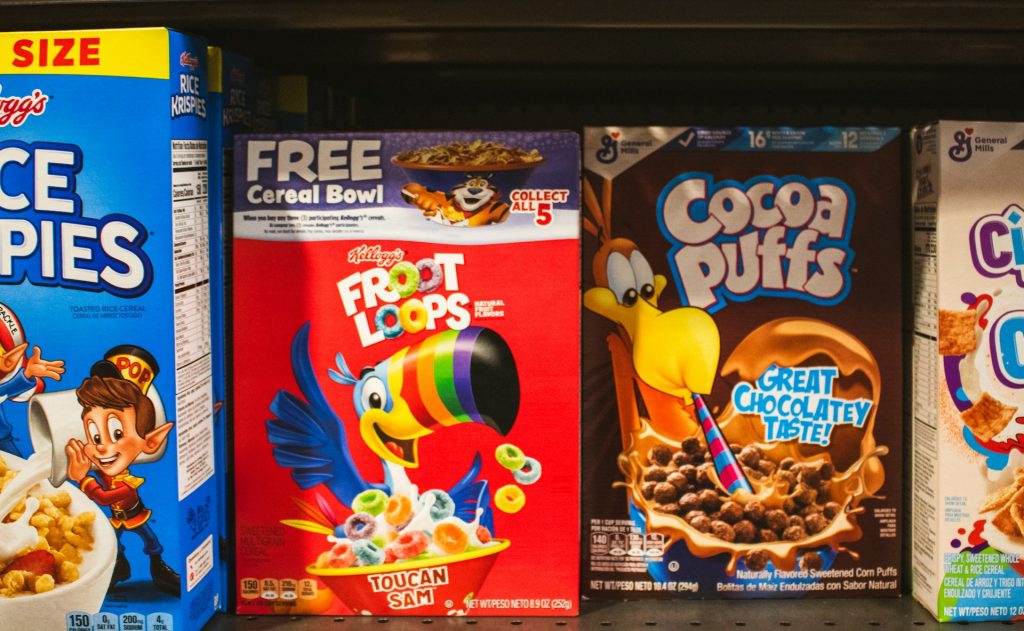
You probably think of cereal boxes as clutter you flatten and toss on autopilot, but that cardboard is basically free raw material you already paid for. When you start treating every empty box as a tiny toolkit for organizing, gifting, and even cutting down on single-use plastics, you keep more cash in your pocket than you expect.
From turning packaging into polished gift boxes to building organizers that would cost real money at the store, you can stretch each box far past breakfast. The trick is to see that printed cardboard and the bag inside as durable supplies, not trash, and to put them to work in ways that quietly replace things you would otherwise buy.
Gift-Ready Boxes That Replace Store-Bought Packaging
The fastest way to realize how valuable cereal boxes are is to use them as ready-made gift boxes. You already have a sturdy container in the perfect size for socks, candles, beauty sets, or kids’ toys, and once you seal the top and lay it flat, it behaves just like any other small box you would pick up in a gift aisle. When you tape the top shut, slice open one side, and fold in the flaps, you can create a neat, lidded package that saves you from buying a separate box every time you wrap a present.
If you want to go beyond basic wrapping paper, you can treat the cardboard itself as your canvas and skip the extra supplies. One clever approach is to paint the outside of the box in a festive pattern, then add a label or tag so it looks like a custom container straight from a boutique, which is exactly how one guide suggests you turn a cereal box into a gift box. Another walkthrough breaks down how to tape the top, use a box cutter to open a side, and then wrap it like any other present, so you get a polished result without paying for specialty packaging.
Desk, Drawer, and Paper Organizers You Don’t Have to Buy
Once you start cutting into cereal boxes, you realize they are basically pre-sized organizers waiting to happen. You can slice off the top flaps and trim the height to fit inside drawers, then line them up as dividers for makeup, office supplies, or kids’ craft gear, which means you skip buying acrylic trays or fabric bins. The cardboard is stiff enough to hold pens, chargers, or even pantry packets, and if you cover the outside with leftover wrapping paper, it looks intentional instead of improvised.
That same structure can stand upright and act like the vertical file holders you see in office catalogs. One frugal tutorial points out that you can cut a diagonal opening and copy the shape of a store-bought paperwork stand, turning a single box into a magazine or bill sorter. When you line up a few of these on a shelf, you suddenly have a full filing system for the cost of your breakfast, instead of dropping money on matching organizers that do the exact same job.
Creative Crafts That Double as Everyday Tools
Beyond storage, cereal boxes are perfect for small, useful projects that keep you from buying little extras. You can cut long strips and punch a hole at the top to make bookmarks, which is exactly the kind of quick project highlighted in a video that shows how to create simple bookmarks by letting you cut fun shapes from the cardboard. Those same scraps can become gift tags, chore charts, or labels for pantry jars, which saves you from buying packs of tags or sticker sheets.
In the kitchen, you can level up from simple crafts to genuinely useful gear. With a bit of trimming and tape, you can turn a box into a magnetic caddy that sticks to your fridge and holds pens, coupons, or grocery lists, or cut it into sections that corral zip top bags so they stop sliding around in a drawer. One short tutorial walks through a DIY magnetic refrigerator caddy and a zip top bag organizer using cereal boxes, both of which replace products you would normally buy in a home goods aisle.
Surprisingly Durable Cardboard for Bigger Projects
When you look past the bright branding, the cardboard itself is a solid material for more ambitious upcycling. It is thin enough to cut with regular scissors but strong enough to hold its shape, which makes it ideal for templates, stencils, and backing for small art prints or photos. People who upcycle regularly use it as a base layer in all kinds of projects, from drawer liners to custom dividers for board games, because it is easy to trim to size and still holds up to daily use.
That durability shows up in community projects where cereal box cardboard stands in for heavier, more expensive supplies. In one upcycling discussion, a commenter talks about reusing this kind of packaging and even jokes about having been eating Wheat Thins wrong before realizing how much material they were throwing away, then adds a lighthearted “Now you know lol” when someone else catches on. That kind of reaction is a reminder that once you see the cardboard as a resource, you start spotting new uses for every flat panel, whether you are reinforcing a shipping envelope or building a quick phone stand.
The Hidden Power of the Inner Bag
The cardboard is only half the story, because the inner bag is one of the most underrated freebies in your kitchen. Those liners are thick, food safe, and usually stronger than the flimsy plastic bags you buy for small trash cans or freezer leftovers. Instead of tossing them, you can shake out the crumbs, give them a quick wipe, and suddenly you have a stash of heavy-duty bags that can line bathroom trash cans, hold marinated meat, or protect baked goods in the freezer without paying for extra boxes of storage bags.
Plenty of frugal home cooks have figured this out and treat cereal bags as a go-to replacement for store-bought liners. In one conversation about stretching household supplies, a commenter points out that reusing these liners works perfectly as a bathroom trash solution and even notes that it “really fits perfectly, like it is designed to fit in a bathroom trashcan,” which is how a user in a Mar thread describes the fit. When you start saving every inner bag, you cut down on the number of plastic trash liners and freezer bags you buy, which chips away at your grocery bill over time.
Seasonal Shortcuts That Make Gifting Cheaper and Easier
Cereal boxes really shine when gift season hits and you are staring down a pile of presents that all need to look pulled together. Instead of buying a stack of decorative boxes, you can flatten and store cereal packaging throughout the year, then pull it out when you need it. With a little tape and trimming, you can transform those boxes into neat containers for holiday cookies, teacher gifts, or Secret Santa surprises, and no one has to know the base started life in the breakfast aisle.
If you want to skip wrapping paper entirely, you can lean into paint, markers, or even collage to dress up the outside. One guide suggests that if you have the time, you can paint the box in a festive design before adding a label, which turns it into a reusable container that looks intentionally crafted, and another version of the same idea notes that you can simply decorate the outside and then seal it up, which is the approach described when you Decide to skip wrapping altogether. When you combine that with the earlier method that shows how to How to Turn a Cereal Box into a Gift Box, you end up with a whole system: save the boxes, decorate them when you need them, and stop paying for single-use packaging that only gets tossed after the party.
More from Decluttering Mom: