


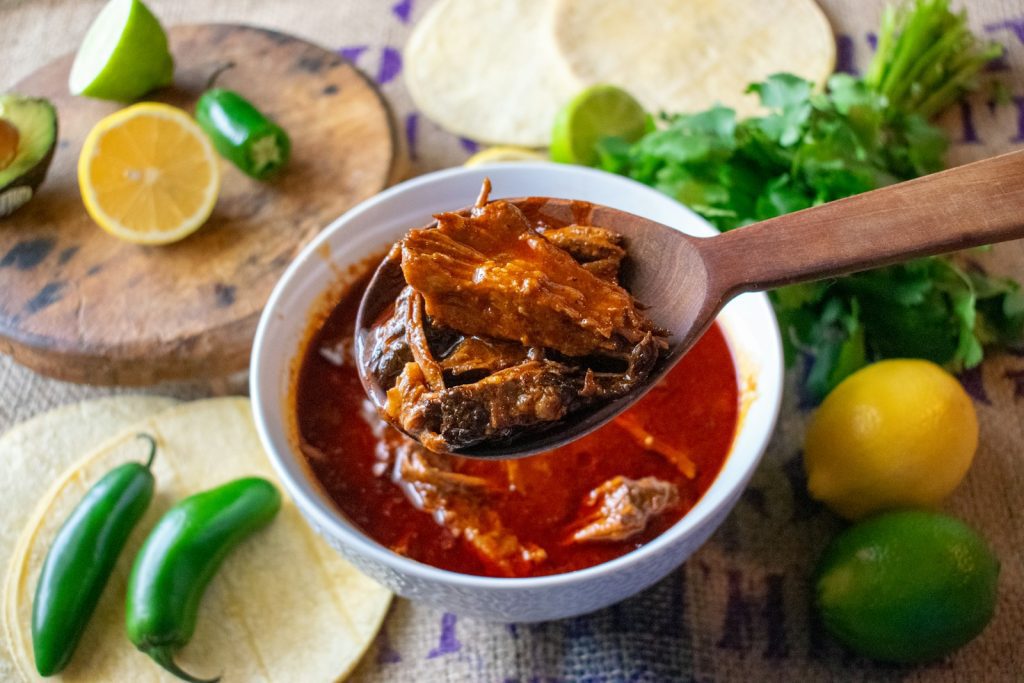
You’ve probably noticed a growing interest in dishes and recipes that seem to have vanished over time. The heritage recipe revival trend is all about bringing these forgotten flavors back to your table, connecting you with food traditions that carry history and culture. This movement isn’t just about nostalgia—it offers a chance to enjoy authentic, often artisanal dishes made with care and stories behind each bite.
By reviving these old recipes, you get to experience unique tastes and techniques that have been lost in modern cooking, helping preserve culinary heritage while adding new life to the food you love. This trend taps into a desire for authenticity and quality, letting you explore dishes that reflect a community’s history and identity, often made with local and natural ingredients.
As you dive into this trend, you’ll find that heritage recipes not only bring delicious variety to your meals but also deepen your connection to culture and tradition. Whether you’re a home cook or a foodie, these revived dishes offer a meaningful way to enjoy food that’s rich in both flavor and story.
What Is the “Heritage Recipe Revival” Trend?
This trend revolves around rediscovering and celebrating old recipes that were once popular but have faded from everyday use. It highlights how these dishes connect to cultural history, personal memories, and craftsmanship, appealing to those who want authenticity and meaningful food experiences.
Origins and Evolution of the Movement
The Heritage Recipe Revival started as a response to the fast-paced modernization of food production. You’ve seen it emerge as people seek to preserve culinary traditions that reflect local ingredients, historical contexts, and family stories. It began with home cooks and small artisans who collected and shared recipes passed down through generations.
As interest grew, more chefs and brands joined in, transforming this into a broader movement. It emphasizes slow cooking, natural ingredients, and techniques that date back decades or even centuries. The revival also traces its roots to historical moments like the Industrial Revolution, which marked a shift toward mass production and the loss of handmade methods—something you can now actively counter by choosing heritage dishes.
Modern Influencers and Key Drivers
The current resurgence is driven by several factors that you might already recognize. Social media platforms amplify storytelling and visual appeal of these revived dishes, making them accessible and trendy among younger audiences. Influencers and food historians share not only recipes but the cultural meanings behind them.
Consumers like you also demand transparency, sustainability, and quality in food, which heritage recipes deliver through local sourcing and traditional methods. Brands tapping into this trend often highlight their authentic origins, creating a niche for artisanal products without sacrificing modern convenience. Your interest in health, heritage, and ethical eating plays a big role in how this revival thrives.
Connection to Nostalgia and Storytelling
Nostalgia is a powerful element you experience when engaging with heritage recipes. These dishes evoke family memories, regional identity, or even personal milestones, making your eating experience more meaningful. It’s not just about flavor but connecting to a shared past.
Storytelling strengthens this bond by explaining the origins of recipes, how they were made, and why they mattered. When you buy or prepare heritage food, you’re participating in a narrative that honors culture, tradition, and craftsmanship. This emotional connection often encourages you to explore more and share these stories with others, keeping the tradition alive.
Significance of Reviving Forgotten Dishes
Bringing back forgotten dishes connects you with history, strengthens community ties, and enriches modern food culture. These recipes offer more than just flavor—they carry stories, traditions, and cultural meaning that deepen your culinary experience.
Cultural Preservation and Identity
When you revisit old recipes, you help preserve the unique flavors and customs of different cultures. These dishes reflect the environment, resources, and values of past generations. By cooking and sharing them, you maintain a link to your heritage—or explore others’ traditions in an authentic way.
Preserving these culinary practices supports cultural identity. It’s not just about food but about honoring the people and histories behind it. You contribute to keeping cultural expressions alive, allowing these dishes to remain relevant rather than disappearing into obscurity.
Community and Family Traditions
Forgotten dishes often hold meaning within families and communities, passed down through generations. By reviving them, you participate in a shared tradition that fosters connection and belonging.
Cooking these recipes allows you to bond with relatives or neighbors around common memories. It also keeps local stories alive, reinforcing community pride. The act of bringing old dishes to the table becomes a way to celebrate heritage collectively, making your meals more meaningful.
Role in Contemporary Food Culture
Revived recipes offer fresh opportunities in today’s culinary landscape. You get to enjoy flavors and techniques that differ from mass-produced or globalized food trends.
Modern chefs and home cooks blend these traditions with current preferences such as health-conscious ingredients or sustainable sourcing. This mix broadens your eating options and encourages innovation rooted in authenticity. Rediscovering forgotten dishes enriches your food choices with diversity and historical depth.
Rediscovered Ingredients and Techniques
Rediscovering heritage recipes means reconnecting with ingredients and methods that have often been overlooked. It involves careful selection of authentic components, mastering timeless cooking techniques, and appreciating how local environments shape flavors.
Authentic Sourcing and Ingredient Selection
You’ll find that authentic ingredients play a crucial role in preserving the original taste and character of heritage dishes. Many classic recipes used heirloom varieties of fruits, grains, and spices that aren’t commonly found in supermarkets today.
Choosing locally sourced, organic, or heirloom ingredients helps maintain the integrity of these recipes. For example, traditional candy-making often called for less refined sweeteners like honey or molasses instead of modern processed sugars. This careful sourcing not only supports smaller farmers but also gives you flavors that modern substitutes can’t replicate.
Pay attention to ingredient origin and quality, as even minor changes can alter the final result significantly. Working with suppliers who specialize in traditional and heritage produce will ensure your dishes stay true to their roots.
Traditional Cooking Methods
You’ll need to embrace old-fashioned techniques that are often more hands-on and require patience. Many heritage recipes depend on precise temperature control or extended preparation times, such as boiling sugar to specific stages in candy-making or slow-fermenting doughs.
These methods might seem labor-intensive compared to modern shortcuts, but they unlock textures and flavors you won’t get otherwise. For instance, hand-pulling taffy or slowly cooking caramel allows for greater flavor development and a unique mouthfeel.
Relearning these skills often means paying more attention to timing, heat, and manual processes. This hands-on approach adds a personal touch and a sense of authenticity to your cooking or baking.
Influence of Local Terroir
The environment where ingredients grow—the soil, climate, and surrounding ecosystem—has a significant impact on flavor profiles. This concept, known as terroir, means that two similar recipes can taste quite different depending on where their components come from.
By sourcing ingredients tied closely to a particular region, you tap into a culinary heritage that extends beyond the recipe itself. For example, almonds grown in one valley might have a sweeter, nuttier profile than those from another, affecting traditional treats like marzipan.
Understanding and using local terroir helps you capture the essence of a dish as it was originally enjoyed, providing a deeper and more genuine connection to its history.
Spotlight on Revived Candies and Sweets
You’ll discover how traditional candy recipes are making a comeback with unique flavors, classic textures, and meticulous handmade techniques. This revival blends old-fashioned ingredients with modern touches to bring historical sweets back to life.
Historical Candy Formulations
Many revived candies trace their roots to recipes from the 19th century or earlier. These include penny candies, rock candy, marzipan, and traditional taffy. Each one offers a glimpse into the past, reflecting not only flavors but also the cooking methods and ingredient choices of the time.
Original recipes often relied on natural sweeteners like honey or molasses before refined sugar became widespread. Techniques such as boiling sugar to precise stages—soft ball, hard crack—are key to achieving the signature textures you expect. These candies once served social and sometimes medicinal roles, adding layers to their history beyond just taste.
Popular Retro Flavors and Styles
You’ll notice distinct flavors that defined old-school sweets: peppermint, root beer, anise, and almond frequently appear in these revivals. Many classic candies like penny candy and licorice whips feature bright, straightforward flavors that are easy to recognize.
Styles such as chewy taffy with its air-filled texture or crystalline rock candy highlight specific historical techniques. These familiar tastes offer a nostalgic experience, connecting you to memories from childhood or stories passed down through generations. Plus, many revivals feature gluten-free or vegan alternatives, updating classics for today’s dietary preferences without losing authenticity.
Artisanal Craftsmanship
Craftsmanship plays a crucial role in bringing these heritage candies back. Small-batch production allows for precise control over ingredients and cooking times, often using techniques handed down through families. This attention to detail ensures a richer taste and texture than mass-produced options.
You’ll see artisans using traditional tools like copper kettles and hand-pulling taffy, preserving the tactile connection to the craft. Packaging also often pays homage to original designs, adding visual nostalgia alongside the sensory experience. Supporting these makers means you’re backing quality, heritage, and sustainability in your sweet treats.
Challenges and Opportunities in Heritage Recipe Revival
Reviving heritage recipes involves careful adjustments to meet today’s tastes while staying true to tradition. You’ll also need to navigate ingredient availability and decide how to blend old methods with new ideas to create something authentic yet appealing.
Adapting Recipes to Modern Palates
Your taste buds and dietary preferences might differ from those of the past, so tweaking heritage recipes can make them more enjoyable today. Many traditional dishes use ingredients like refined sugars or animal fats that some people now avoid.
You can experiment with natural sweeteners, plant-based fats, or spice levels to fit health goals without losing the original flavor. Offering gluten-free or vegan options can open the door to a wider audience while keeping the essence of the dish intact.
At the same time, it’s important not to stray too far from the recipe’s roots. A subtle balance between respecting the original and making it approachable ensures your revival feels genuine and appealing.
Balancing Tradition with Innovation
You might find yourself stuck between preserving authentic techniques and embracing modern convenience. Traditional cooking often involves long preparation times or manual skills that don’t always fit into today’s fast-paced lifestyle.
Incorporating modern equipment or refined processes can improve consistency and scale, but aim to maintain the core characteristics that define the recipe. For example, adapting hand-pulled candy to small-batch mechanical methods can save time yet retain texture.
Packaging and presentation also provide an opportunity to innovate. You could use contemporary designs and storytelling to capture attention, especially for younger consumers while honoring the dish’s history.
Sourcing Rare Ingredients
Many heritage recipes rely on ingredients that are difficult to find or expensive today. You may struggle to source heirloom varieties of grains, specific local herbs, or traditional sweeteners once common but now replaced by mass-produced alternatives.
Working closely with local farmers and specialty suppliers can help overcome these challenges. Collaborations can secure authentic, sustainably grown ingredients that enhance your product’s story and quality.
Sometimes, substitutions are necessary, but thoughtful replacement ensures the flavor profile remains close to the original. Transparency about ingredient origins can also build trust with customers who value authenticity and ethical sourcing.
How to Participate in the Heritage Revival at Home
You can bring the past to life by diving into old recipes, mastering traditional cooking techniques, and keeping your family’s culinary history alive. This hands-on approach helps you appreciate flavors that shaped generations and creates meaningful connections over shared meals.
Researching Ancestral Recipes
Start by gathering recipes from relatives, old cookbooks, or community archives. Ask family members for handwritten notes or memories tied to specific dishes. Sometimes, local libraries or historical societies hold collections of regional recipes you won’t find online.
Look for ingredients and techniques original to the recipe’s time period. This context can deepen your understanding and ensure you honor the authenticity of each dish. If something is unclear, cross-reference versions to spot consistent methods and flavors.
Keep a digital or physical notebook to record your findings and updates. This log becomes your personal recipe archive, making it easier to revisit and share traditional dishes over time.
Tips for Recreating Authentic Dishes
Focus on sourcing ingredients that closely match those used historically. Whenever possible, choose local or heirloom produce, natural sweeteners, and whole spices instead of modern substitutes. This can affect both taste and texture significantly.
Pay attention to cooking methods and timing, as these often dictate the final quality. For example, slow simmering, specific folding techniques, or precise temperature stages in candy-making can be essential. Use tools like candy thermometers or kitchen scales for accuracy.
Don’t shy away from adapting small details for today’s kitchen but keep the heart of the dish intact. Trying a recipe multiple times helps you adjust and discover how flavors and textures evolve, bringing you one step closer to traditional authenticity.
Sharing and Preserving Family Traditions
Cooking heritage recipes is a great way to connect with your family. Host regular meals where stories linked to the dishes are shared. This can be an informal gathering or a special occasion that celebrates your culinary lineage.
Document cooking sessions with photos or videos to preserve techniques visually. Encourage younger family members to get involved—hands-on learning can make the traditions more lasting.
Consider creating family recipe books or digital collections compiling your revived dishes with their histories. Sharing these preserves your heritage and invites others to appreciate and continue the revival of cherished culinary practices.