

You open a new pair of boots, a box of vitamins or a bag of beef jerky, and there it is: a tiny paper packet stamped “Throw away. Do not eat.” Most of us toss it without a second thought. A TikTok creator says that is a mistake, because those little packets can be dried out and used again and again.

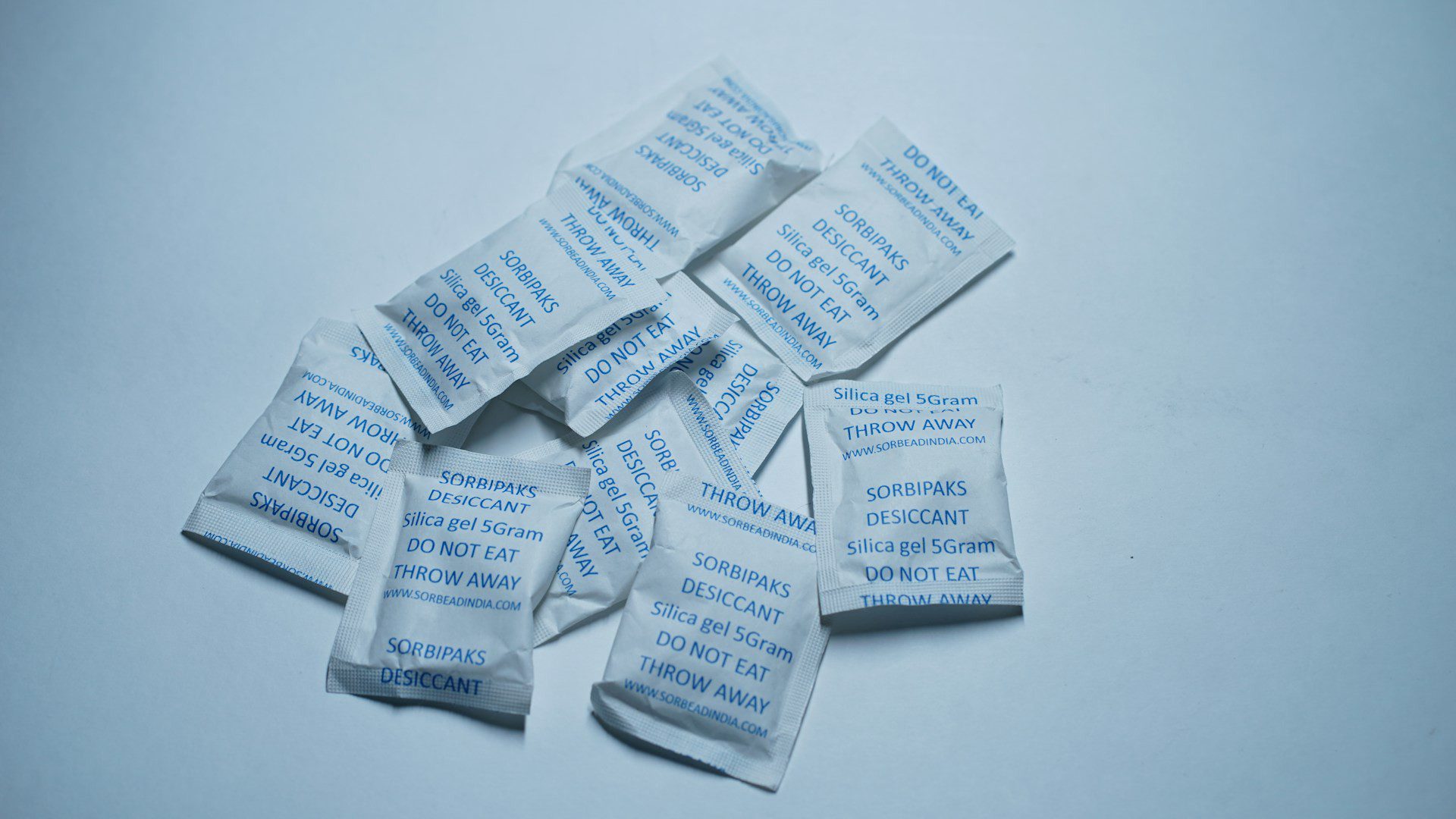
The creator, @trash.dates, posted a series of videos in May and June 2026 showing how silica gel packets can protect your belongings. Upworthy rounded up the best ideas, along with the safety rules you need to know first.
Source: Upworthy.
The Packet You Throw Away Is A Moisture Magnet Worth Keeping
Silica gel is a desiccant, a drying agent that manufacturers tuck into boxes to keep moisture from ruining clothing or electronics in shipping. Some packaged foods include them too.
According to Poison Control, silica gel is considered non-toxic, but the packets are a choking hazard for small children and pets. The drying agent can also irritate the eyes, nose, throat or skin, so do not handle a packet that has broken open.
Orange Means Dry, Green Means Full, And Blue-To-Pink Beads Are A Warning
In the creator’s video, orange beads mean the packet is dry and ready to work, while green beads mean it is full of moisture and needs to be recharged.
One important warning: older packets with beads that change from blue to pink can contain cobalt chloride, which is toxic. Keep those far from food.
The “Do Not Eat” packet in a bag of beef jerky is usually not silica gel at all. It is typically an oxygen absorber containing iron powder, and it cannot be recharged.
11 Places Commenters And The Creator Tuck Them To Stop Mold, Rust And Fog
The article collected tips from the creator and from people in the comments. Here are the best of them:
- In the car. One commenter puts packets in the car to prevent mold and the morning fog from condensation. The same trick can reduce fog on the inside of a windshield in cold weather.
- In a jewelry box. A silversmith suggested packets to cut moisture and slow tarnish, especially on sterling silver. They can also help jewelry resist oxidation.
- Near makeup. In humid climates, packets can sit near makeup powders.
- Behind books. A commenter tosses packets behind the books on a shelf to keep pages from getting moldy.
- With tools and silverware. Packets can keep them from rusting.
- In gym bags. They can freshen gym bags, sports gear, shoes, skates, blades and boots.
- In camping gear. Packets keep sleeping bags and tents dry and mold-free in storage.
- Under sinks and in laundry rooms. They help against mold and mildew in damp spots and storage tote bins.
- With important papers. They can reduce moisture and mildew, though they cannot protect against leaks or floods.
- With seeds and spices. Use only intact, food-grade packets, never the blue-to-pink beads, and keep packets from touching the food.
- For drying flowers. Use just the beads, not the whole packet, to keep color and prevent a crunchy texture.
The Rice Trick For A Wet Phone Is A Myth, According To The Article
One surprising section covers wet electronics. The article says rice is a myth for drying a soaked iPhone, and that Apple warns rice particles can damage the device.
Apple’s advice is to unplug the phone, tap out the extra liquid, and leave it in a dry spot with airflow for up to a day before charging. A few silica packets in a sealed bag with the phone may help. For a laptop with a coffee spill, the article says to power it down and have it checked.
How To Recharge A Packet So It Works Again
Packets need an occasional drying out so they can soak up more moisture. One commenter in the article had been using them in a linen closet and had not realized they needed a recharge in the sun. There are three methods:
- Sunshine. Set the packets in direct sun until they dry.
- Microwave. Place packets between paper towels, cover with a plate and heat in two minute intervals until dry. Paper or fabric packets can melt or scorch, so watch them closely.
- Low oven. The article says to try about 200 degrees F for two hours.
Orange indicator beads should return to orange before you put the packet away. Store recharged packets in a sealed jar or zip bag until they are needed.
Start Saving Them Today
Next time one of those packets lands in your hand, drop it into a jar instead of the trash. Within a few weeks you may have a free stash to protect your documents, your tools and your holiday decorations.
Before you tuck a packet near food, check that it is a food-grade silica packet and not an older indicator type. Keep the jar well out of reach of toddlers and pets, and label it clearly so nobody mistakes it for a snack. A little care turns a piece of packaging trash into one of the cheapest moisture fighters in the house.
More Stories You May Like
- BBB Scam Tracker Logged About 146,000 Scam Reports In 2025 And Online Purchase Scams Rank Third Riskiest, So Be Careful Buying And Selling Secondhand Online
- About One In Four Americans Pays To Rent A Storage Unit And The Top Reason Is Not Enough Room At Home, So Are You Paying Monthly To Keep Stuff You Never Use
- Americans Reported $15.9 Billion Lost To Fraud In 2025, And Imposter Scams Have Been The Most Reported Type Every Year Since 2020, So Know The Signs