

Sleepovers used to feel like a childhood rite, complete with pizza, late night giggles, and bleary eyed pickup the next morning. Now, a growing number of families are quietly, and sometimes loudly, opting out with a simple policy: no overnights at other people’s homes. The return of this “no sleepovers” rule has split parents into camps that are equally certain they are protecting their kids.
Behind the divide is a mix of safety worries, cultural expectations, and a shifting sense of what kids actually need to thrive. Some caregivers see the ban as basic risk management in a world that feels less predictable, while others worry that shutting down slumber parties cuts children off from important social experiences and trust building.
Why some parents are drawing a hard line

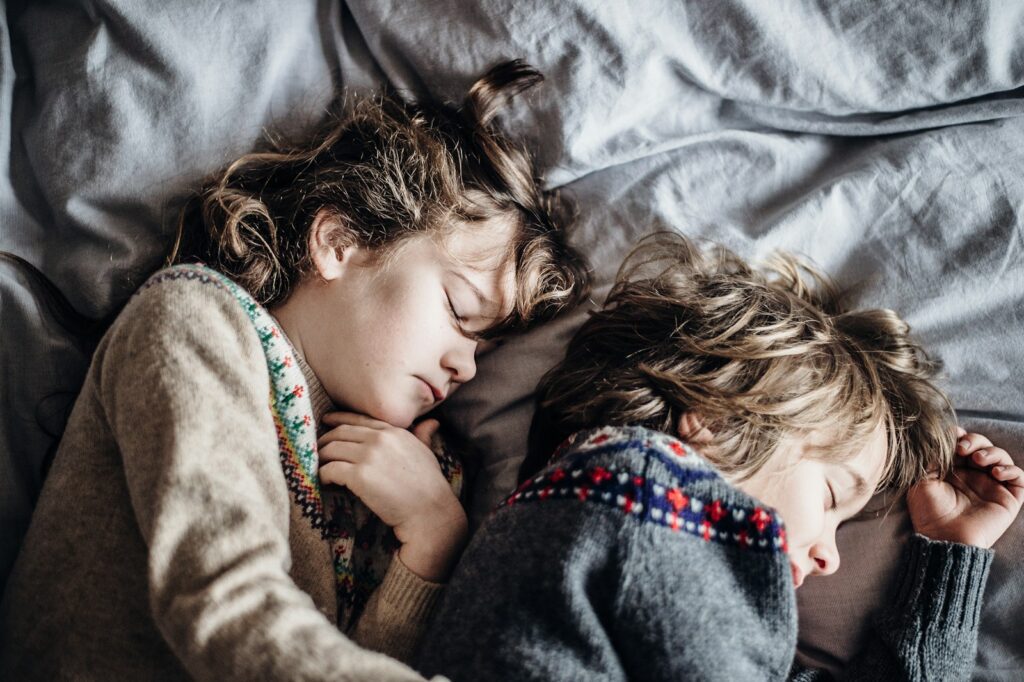
Parents who have embraced a strict no sleepover policy tend to frame it as a boundary, not a judgment on other families. Their starting point is simple: they cannot fully know what happens in another home once the lights go out. Concerns range from unsupervised older siblings and unsecured medications to firearms and internet access that looks very different from their own rules. In detailed accounts of the current debate, caregivers describe weighing those unknowns and deciding that the potential risks of an overnight visit outweigh the fun, even when the host family is part of their regular social circle, a tension that has helped turn sleepovers into a new parenting flashpoint in pieces examining no sleepovers.
Social media has amplified that caution. One mother, identified only as She, has built a sizable audience by explaining why her kids can attend evening events but must come home to sleep. Her TikTok videos about this boundary have attracted exactly 229,900 followers, a figure that signals how strongly the message resonates with parents who feel similarly uneasy about overnight stays. Coverage of her account notes that she is part of a growing #NoSleepover community, where families trade scripts for saying no and swap stories of children who enjoyed the party but were relieved to climb into their own beds.
The emotional stakes on both sides of the debate
For many caregivers, the hesitation is not only about worst case scenarios, it is also about how childhood itself has changed. In-depth reporting on the topic describes parents who remember roaming their neighborhoods until dark but now feel pressure to monitor every interaction, especially when their children are still in elementary school. One analysis of how the argument escalated asks, “How did sleepovers become the latest battleground for parents?” and traces the shift to a mix of viral stories, evolving norms, and families who are choosing the no sleepover rule as a default. That same discussion highlights how images credited to PeopleImages.com, Yuri, and Shutterstock have come to symbolize the tension between nostalgic memories and present day caution, with the phrase While the debate rages capturing how quickly a personal boundary can turn into a public referendum when it hits the internet, a dynamic explored in detail when writers unpack how sleepovers became so fraught.
On the other side are parents who still see slumber parties as a valuable, if imperfect, training ground for independence. They argue that staying overnight with trusted friends teaches kids to navigate different household rules, manage homesickness, and practice speaking up when something feels off. In one overview of The Sleepover Debate, families who allow overnights describe careful vetting, from meeting every adult in the home to asking direct questions about supervision, internet access, and where children will sleep. Those accounts emphasize that Should You Let Your Kids Have Sleepovers is no longer a casual question, but a decision that involves layered conversations about safety and consent, even when the answer is yes, a reality captured in guides that walk parents through the modern sleepover debate.
Culture, community, and finding a middle path
Culture and community norms also shape how families approach the question. Some households come from traditions where children rarely, if ever, sleep outside their own home, and that expectation can be as strong as any written rule. Reporting on the complexity of modern slumber parties notes that There are families for whom slumber parties are simply out of the question, either because of religious beliefs, immigration experiences, or a long standing emphasis on keeping children close at night. In those same accounts, other parents describe limiting overnights to a very small circle of close, trusted friends, effectively creating a hybrid model that honors both safety concerns and kids’ desire for shared experiences, a balance that emerges in nuanced portraits of how sleepovers have gotten more complicated.
More from Decluttering Mom: