


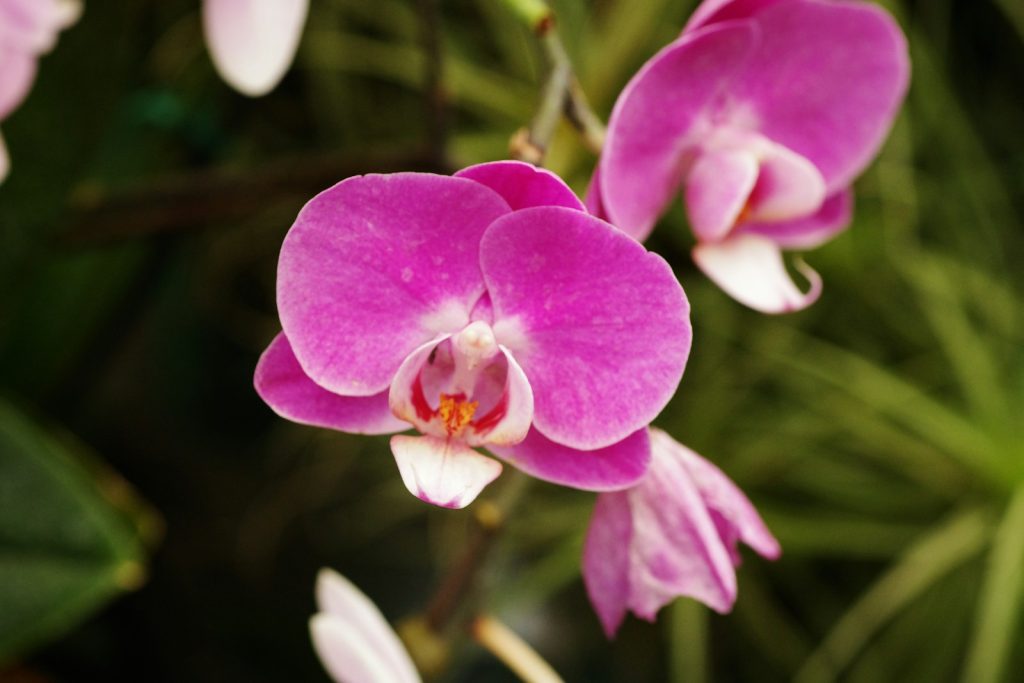
Orchid lovers spend a lot of time chasing miracle fertilizers, but one of the most effective boosters is already sitting in the kitchen: plain rice water. Used thoughtfully, the starchy liquid left after rinsing or boiling rice can nudge stubborn orchids into stronger root growth, lusher leaves, and more reliable blooms. Garden creators across platforms have been quietly turning to this simple ingredient, showing how a teaspoon here and a splash there can help even tired plants bounce back.
Instead of promising instant magic, rice water works like a steady, gentle assist, feeding orchids trace nutrients while also supporting the beneficial microbes around their roots. When growers pair it with good light, proper potting mix, and patient care, the results can be dramatic enough to make traditional fertilizers feel almost optional.
Why rice water gives orchids a quiet supercharge
The appeal of rice water starts with how low effort it is: rinse a cup of uncooked rice, catch the cloudy liquid, and you have a mild tonic that orchids can actually handle. That cloudy look comes from starches and small amounts of nutrients that cling to the grains, which many home growers now treat as a gentle, semi-regular feed for potted orchids. Reporting on home gardening trends has highlighted how this leftover liquid, used in moderation, can help orchids maintain firmer leaves and more active roots without the burn risk that comes with heavy synthetic feeds, a point echoed in coverage of a simple orchid ingredient that is already in most kitchens.
What makes rice water especially interesting for orchids is that it behaves more like a soil conditioner than a classic fertilizer. The starches and trace minerals provide a light snack for the beneficial microorganisms that live in bark-based orchid mixes, which in turn can make nutrients more available to the plant’s roots over time. Several orchid-focused creators walk viewers through this logic, showing how a weak rice water solution can be poured over the potting mix to encourage root activity rather than dousing the leaves directly, a method demonstrated in detailed orchid care tutorials that focus on root health and substrate balance.
How growers actually use rice water on real orchids
In practice, rice water is rarely used straight from the bowl. Most experienced growers dilute it heavily, often mixing roughly one part rice water with three to four parts clean water before applying it to orchids that are already well hydrated. That softer mix is then poured slowly over the potting medium, allowing it to drain fully so the roots are never left sitting in a soggy saucer. Video guides that walk through step-by-step orchid routines show this kind of careful drench, pairing the rice water flush with a quick check of root color and firmness, as seen in long-form repotting and feeding demonstrations that emphasize drainage and airflow.
Frequency is just as important as dilution. Rather than replacing every watering, rice water tends to show up as an occasional boost, often once every few weeks during active growth. Some creators suggest alternating it with plain water and a balanced orchid fertilizer so the plant gets a mix of gentle organic inputs and precise nutrients. That rhythm shows up in instructional clips where growers explain how they rotate between clear water flushes, light feeding, and rice water sessions, a pattern that appears in careful watering schedules built around the orchid’s growth cycle instead of the calendar.
The “one teaspoon” trick and what it really does
Rice water’s reputation has taken off partly because of short, punchy videos that promise big results from tiny amounts. In one widely shared clip, a creator stirs a small spoonful of rice into water, strains it, and then uses that milky liquid to soak the potting mix, claiming that just a teaspoon is enough to keep an orchid blooming for months. The focus is on how a very small quantity of rice can create a surprisingly effective tonic when it is allowed to cloud the water, a method that underpins the claim that with just 1 teaspoon an orchid will grow healthier and flower more often, as shown in a popular orchid teaspoon demonstration that has circulated among home growers.
Other creators lean into the same idea by focusing on the dry ingredient itself, measuring out a teaspoon of rice or finely ground rice powder before diluting it into a larger volume of water. The message is consistent: more is not better, and a tiny amount of rice can be enough to create a mild, root-friendly solution. That approach is reinforced in additional clips where the host sprinkles a teaspoon of powder into a jar, shakes it, and then uses the resulting liquid to water visibly stressed orchids, a sequence that underlines how even the weakest plants are said to respond to this small dose, as seen in a widely shared teaspoon-of-powder routine aimed at reviving limp leaves and bare spikes.
Pairing rice water with smart, modern orchid care
Rice water on its own will not rescue an orchid that is sitting in a dark corner or rotting in compacted soil, which is why many of the most convincing success stories pair this kitchen trick with updated care habits. Long-form guides often start by correcting basics like pot size, bark quality, and light exposure before introducing any kind of rice-based tonic. In one detailed walkthrough, a grower repots a phalaenopsis into fresh bark, trims dead roots, and only then adds a diluted rice water flush, explaining that the liquid is there to support new growth rather than fix old damage, a sequence that mirrors the stepwise approach seen in careful orchid rehabilitation videos that prioritize structure before supplements.
Some creators also combine rice water with other gentle practices, such as occasional foliar misting and strategic pruning of spent flower spikes, to keep the plant’s energy focused on new roots and leaves. They stress that the rice solution should never replace good airflow or appropriate light, but instead act as a quiet background boost. That philosophy shows up in tutorials where rice water is one piece of a broader routine that includes checking root color, rotating plants toward brighter windows, and spacing out waterings, an integrated approach that is echoed in multi-step orchid care sequences designed to keep plants thriving over several seasons rather than just one bloom cycle.
What the before-and-after clips really suggest
The most persuasive case for rice water comes from the steady stream of before-and-after clips that show orchids moving from shriveled to vigorous over a few months. In many of these videos, the “before” plant has wrinkled leaves and a sparse root system, while the “after” version shows plumper foliage and fresh green root tips emerging from the potting mix. Creators usually credit a combination of better light, improved watering habits, and regular rice water treatments for the turnaround, a pattern that is easy to spot in time-lapse style orchid recovery stories where the same plant is filmed repeatedly as it responds to the new routine.
Shorter clips focus less on the long arc and more on the method, zooming in on how the rice water is mixed and applied. Viewers see the cloudy liquid poured slowly over the bark, the pot drained thoroughly, and the plant returned to a bright, indirect light spot, with the creator narrating how often the treatment is repeated. These quick hits are designed to be easy to copy, which helps explain why rice water has spread so quickly among casual growers who want something simpler than a shelf full of specialty fertilizers. That copy-and-paste appeal is clear in concise orchid tip videos that boil the process down to a rinse, a strain, and a careful pour.
Across all of this content, the pattern is consistent: rice water is not a miracle cure, but it is a surprisingly effective, almost free ingredient that slots neatly into modern orchid care. When growers respect its limits, dilute it properly, and pair it with solid basics like bright light and airy bark, this simple kitchen leftover can help orchids do exactly what their owners want most, which is to grow steadily and bloom on cue.
More from Decluttering Mom: