


Have you ever wondered why your small room still feels cluttered despite your best efforts to organize and declutter? It could be because you are making a common mistake that expert designers avoid at all costs.
Understanding this crucial decorating faux pas could be the key to transforming your tiny space into a comfortable, inviting area.
In this article, we will reveal the one thing that designers never do when working with small rooms. We will also provide practical tips to help you avoid this mistake and make the most of your limited space. Let’s dive in and unlock the secrets to effective small space design.
Overloading with Furniture

One mistake people often make when decorating small rooms is cramming too much furniture into the space. Designers know that less is more when it comes to furniture in small rooms. Overloading a room with too many pieces of furniture can make it feel cramped, cluttered, and smaller than it actually is.
Instead, opt for a few key pieces of furniture that are functional and necessary. Consider using multipurpose furniture that serves more than one function, like a coffee table with storage or a bed with built-in drawers. This can help maximize your storage without taking up too much space.
Ignoring Vertical Space

Another common mistake is neglecting to use the vertical space in a room. Designers understand the value of vertical space, especially in small rooms. By using the walls for storage or decoration, you can free up floor space and make the room feel larger and more open.
Consider installing wall-mounted shelves or hanging baskets for storage. You can also hang artwork or mirrors to add interest and depth to the room. Remember, the goal is to draw the eye upward and create the illusion of more space.
Using Dark Colors

Dark colors can make a small room feel even smaller. Designers avoid using dark colors in small spaces because they absorb light rather than reflect it. This can make a room feel dark, closed off, and claustrophobic.
Instead, opt for light, bright colors that reflect light and create a feeling of spaciousness. Whites, creams, and pastels can make a room feel open, airy, and large. If you prefer dark colors, consider using them as accent colors rather than the main color scheme.
Blocking Natural Light

Designers understand the importance of natural light in making a room feel open and spacious. Blocking natural light with heavy curtains or furniture can make a room feel small and claustrophobic. It’s a common mistake that many people make when decorating small rooms.
Aim to let as much natural light into the room as possible. Use sheer curtains or blinds that allow light to filter through. Place furniture away from windows to avoid blocking the light. Natural light can make a room feel brighter, larger, and more inviting.
Using Large-Scale Patterns

Large-scale patterns can overwhelm a small room and make it feel smaller. This is why designers typically avoid using large patterns in small spaces. Instead, they opt for small to medium-sized patterns that add interest without overpowering the room.
If you want to use patterns in your small room, consider using them sparingly and in small doses. For example, you could use a patterned rug or throw pillows. This can add a touch of style and personality without making the room feel crowded or busy.
Ignoring Mirrors

Ignoring the use of mirrors in small rooms is a mistake that designers never make. Mirrors reflect light and create an illusion of space, making a room appear larger and more open. They are a designer’s secret weapon when it comes to small space decorating.
Consider hanging a large mirror on a wall or placing a floor mirror in a corner. This can create a focal point and make the room feel larger. You could also use mirrored furniture or accessories to reflect light and add a touch of glamour to the room.
Filling Every Inch of Space

Designers understand that leaving some empty space in a room is crucial for creating a sense of openness and flow. Many people make the mistake of trying to fill every inch of space in a small room, which can make it feel crowded and claustrophobic.
Resist the urge to fill every corner of your small room. Leave some wall space empty, avoid overcrowding your shelves, and give your furniture some breathing room. This can create a sense of spaciousness and make the room feel larger than it is.
Using Bulky Furniture

Bulky furniture can overwhelm a small room and make it feel cramped. Designers avoid using large, heavy furniture in small rooms and opt for sleek, compact pieces instead. The scale of your furniture can make a big difference in how spacious your room feels.
Choose furniture with clean lines and slim profiles. Avoid heavy, overstuffed sofas and chairs. Opt for pieces that are proportional to the size of the room. This can help create a sense of balance and make the room feel more spacious.
Ignoring Storage Solutions

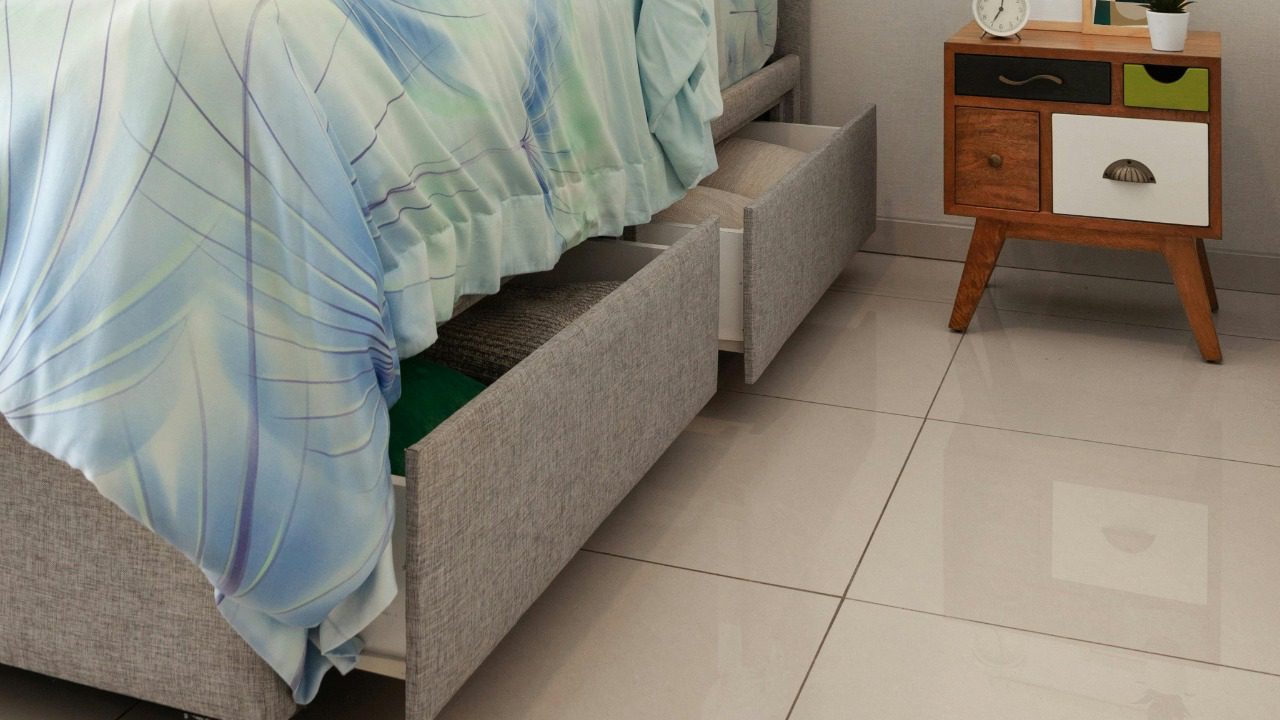
Designers know that storage is key in a small room. Ignoring storage solutions can lead to clutter, which can make a small room feel even smaller. It’s important to consider where you will store your belongings in order to keep the room neat and organized.
Use furniture with built-in storage, like ottomans or beds with drawers. Consider using vertical storage solutions, like shelves or wall-mounted baskets. Make use of under-bed storage or over-the-door organizers. The goal is to maximize your storage without taking up too much space.