


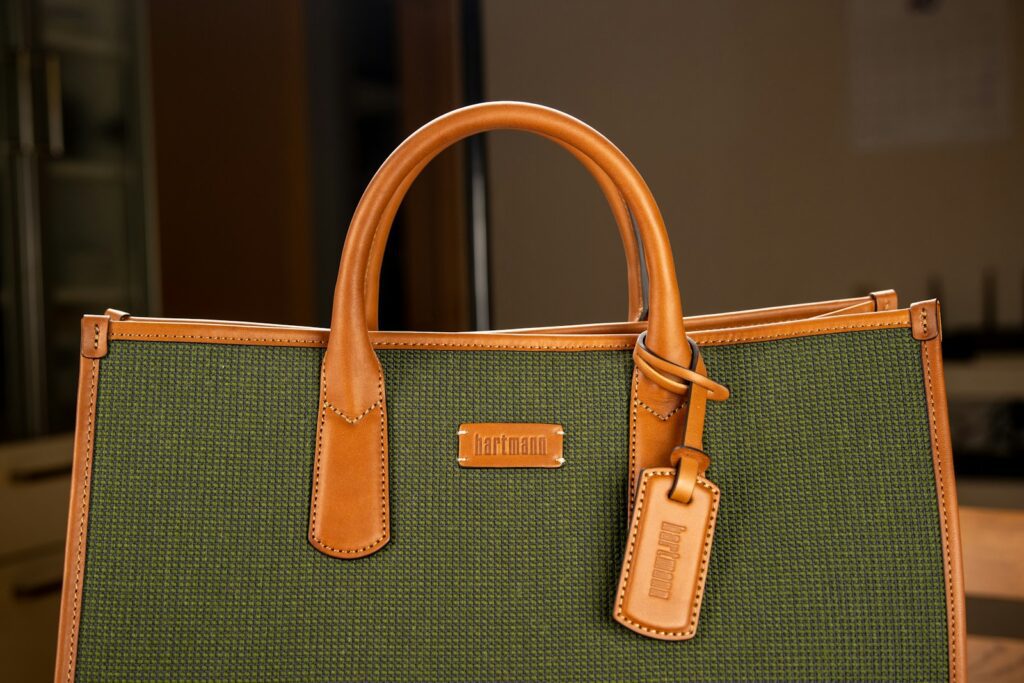
Police auction catalogues read like a mash‑up of a luxury boutique and a lost‑property office: Rolex watches next to muddy trainers, Louis Vuitton beside lawnmowers. The prices, though, rarely look like anything you would see in Bond Street. Designer pieces routinely go for a fraction of their original cost, not because someone has discovered a secret hack, but because the system is built to clear stock, not pamper brands. The real story is less about “steals” and more about how crime, bureaucracy and buyer risk collide to drag those price tags down.
At the heart of it is a simple tension. Police forces are under pressure to turn seized goods into cash quickly, while bidders know they are taking on items with messy histories and limited protections. That imbalance, repeated lot after lot, is what turns a £3,000 handbag into a three‑figure punt and a prestige watch into a nervous bargain.
Why the state is a terrible luxury retailer

Police auctions start long before the gavel hits the lectern. Under laws such as the Proceeds of Crime Act, officers can seize assets that are believed to be the fruits of offending, from designer clothes to high‑end gadgets. Once the courts are done, those goods have to go somewhere, and keeping them in storage is expensive and politically awkward. The incentive is to liquidate quickly, convert “ill‑gotten gains” into public money and move on, not to behave like a patient luxury reseller optimising every last pound of margin.
That institutional mindset filters all the way down to the auction room. Guidance for bargain hunters openly notes that, when the police confiscate the proceeds of crime, they are not especially concerned with turning a profit, they just need the items off their hands, which is why buyers are told they can sometimes get away with. Another explainer spells out that, when these goods are passed to auction houses, most of those firms keep their commission structure simple and focus on throughput, not curation, so bidders are urged to weigh up their options before they bid and accept that the system is built for speed rather than finesse, as set out in advice on auction houses. The result is a kind of forced garage sale for criminal lifestyles, where the state is the reluctant seller and the market senses that reluctance.
Condition, risk and the “abused goods” discount
If the legal backstory explains why police are in a hurry, the physical state of the items explains why bidders are not. Luxury goods that have lived in the shadows rarely enjoy gentle treatment. A Rolex worn daily by someone who never expected to keep it, or a designer handbag dragged through clubs and car boots, will not look like the pristine stock on a department‑store shelf. One viral Oct video of a YouTuber who spent exactly $1,100 on the most expensive items at a police auction captured the reality: plenty of brand names, but also scratches, missing accessories and the nagging doubt about what each piece had been through.
That “abused goods” effect is even clearer in the vehicle world, where buyers swap war stories about ex‑police cars and impounds. In one widely shared Comments Section, a seasoned bidder bluntly warns that the reason auction cars are cheaper is often because they are in terrible condition and, if they were seized from drivers who did not care about maintenance, chances are they were abused. Practical guides echo that point, telling would‑be buyers that they will probably pay significantly less than retail for an impounded vehicle precisely because police departments are not in the business of making money and the cars may have sat unused, which can lead to power issues and other hidden faults, as laid out in advice on how to navigate these sales. Translate that logic back to handbags and watches and the discount starts to look less like a miracle and more like a risk premium.
There is also a psychological layer. Shoppers are used to glossy e‑commerce listings, returns policies and authentication guarantees. Police auctions offer the opposite: grainy photos, sparse descriptions and a firm “sold as seen”. That gap in trust is why some fashion fans talk about the “illicit thrill” of scrolling through page after page of seized contraband, including cut‑price Rolexes and other trophies, on secretive auction platforms, as described in coverage of online shopping aficionados. Thrill is not the same as confidence, though, and that uncertainty has to be compensated somewhere, usually in the hammer price.
Too much stock, too few carefree bidders
Zoom out and the cheap designer lots start to look like a supply‑and‑demand problem. As financial crime and organised fraud cases grow more complex, forces are seizing everything from high‑end streetwear to entire fleets of gadgets. Police auctions have been described as a quirk of the Proceeds of Crime Act that now feeds a steady stream of seized goods into the market, from electronics to luxury clothes, and even helps some buyers stock their own eBay and Vinted stores, according to reporting on how Police auctions work. Video explainers on how these events quietly sell off seized and unclaimed property every year underline the same point: there is a constant pipeline of stock that has to be cleared, as shown in footage on how police auctions turn goods into bargains.
More from Decluttering Mom: