


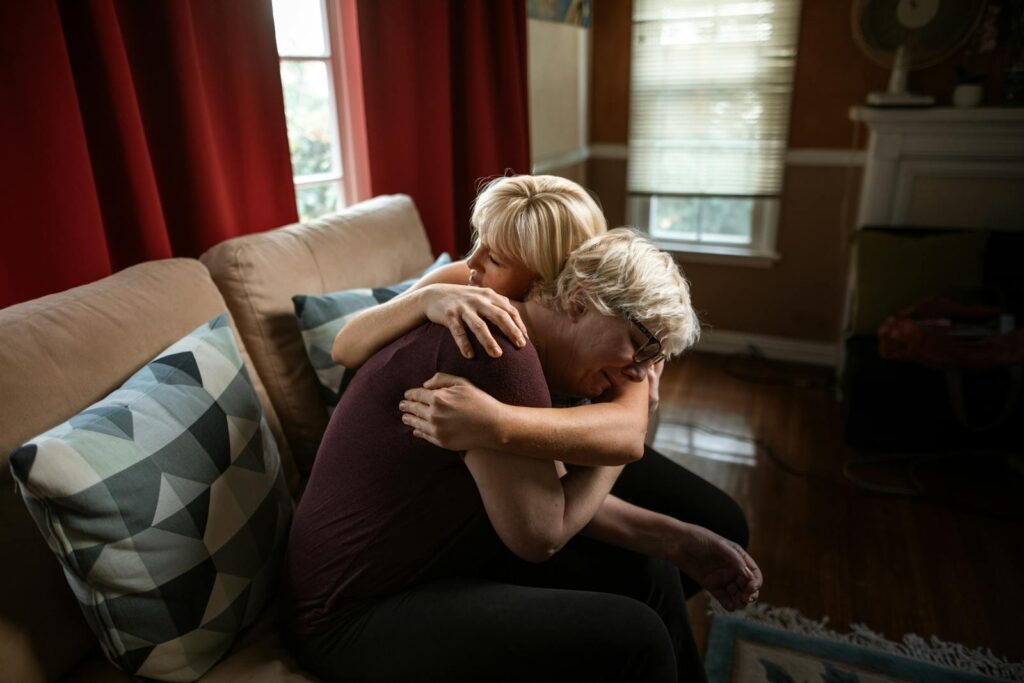
There is a point in some relationships where a mom stops asking, “Is this okay?” and starts asking, “Maybe this is just what a hard season looks like.”
That is what makes this kind of situation so hard to name. Parenting can stretch a relationship to the edge. Everyone is tired. The house is loud. The money may feel tight. The sleep is worse. Tempers get shorter. And when a partner becomes cruel, controlling, or frightening, it can be tempting to fold all of it into the same explanation: we are under pressure. But abuse is not limited to physical harm. The CDC says intimate partner violence also includes stalking and psychological aggression, including coercive acts meant to control a partner.
That is the private parenting moment this piece is really about: the moment a mom starts wondering whether she is looking at normal stress or something more dangerous. The National Domestic Violence Hotline defines relationship abuse as a pattern of behaviors used to maintain power and control over a partner, and its Power and Control Wheel explains that physical or sexual violence may sit alongside a broader pattern of subtler tactics used over time.

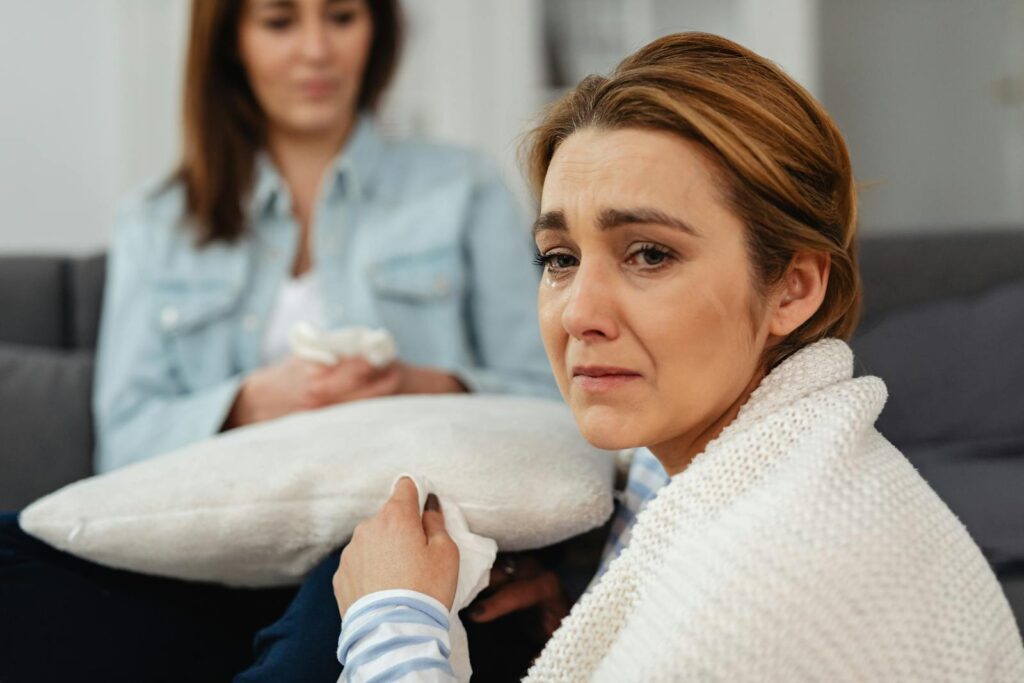
Not every red flag looks dramatic
A lot of women still think they have to see one obvious, undeniable sign before they are “allowed” to worry.
But abuse can look like being constantly monitored, belittled, isolated, threatened, or made to feel that peace in the home depends on keeping one other person calm. It can look like having to explain every errand, every text, every purchase, or every delay. It can look like being worn down until managing your partner’s reactions becomes part of your daily routine. The Hotline’s warning-signs and emotional-abuse resources describe patterns like extreme jealousy, constant criticism, controlling who someone sees, and insults designed to undermine confidence and independence.
That is why one of the clearest warning signs of relationship abuse is not just “we fight a lot.” It is whether one person is steadily shrinking to keep the relationship functioning.
Why motherhood makes it easier to explain away
Motherhood changes the way women read risk.
You are not only thinking about yourself anymore. You are thinking about bedtime, school pickup, groceries, housing, child care, and whether disrupting the relationship will make life harder for the children. That can make it much easier to normalize patterns that would have alarmed you sooner in another stage of life.
A partner who needs to know where you are all the time can get explained away as “worried.” A partner who checks your phone can get explained away as “insecure.” A partner who controls money can get explained away as “stressed.” A partner who uses the children to pressure you can get explained away as “just upset.” But abuse is about power and control, not ordinary conflict. The Hotline notes that abusive partners may isolate survivors, use financial control, and even use children as part of that control.
Coercive control and stalking do not have to look extreme to matter
Some of the most minimized red flags are the ones people do not immediately label as abuse.
Coercive control can show up as pressure, intimidation, surveillance, humiliation, and constant rule-setting inside the relationship. Stalking can look like repeated unwanted contact, surprise appearances, tracking, or behaviors that create fear or safety concerns. The CDC describes stalking as a pattern of harassing or threatening tactics that are unwanted and cause fear or concern for safety.
In a parenting season, those behaviors can get brushed off as stress, attachment, or fear of losing the family. But fear is not the same thing as care, and control is not the same thing as love.
What seeking support safely can look like
If this feels uncomfortably familiar, you do not need to wait for things to get worse before taking your own concern seriously.
You also do not need a perfect label before reaching out. The National Domestic Violence Hotline offers free, confidential support 24/7 at 1-800-799-7233, with chat and text options as well. The Hotline also warns that internet use can be monitored and says that if someone is concerned their device activity may be watched, calling may be safer than browsing. If someone is in immediate danger, they should contact emergency services right away.
That matters because one of the hardest parts of abuse is how often it grows inside ordinary life. A woman can be planning lunchboxes, paying bills, and getting kids ready for school while also quietly trying to decide whether something is deeply wrong.
How to talk to someone you are worried about
If this makes you think of another mom, the most helpful starting point is usually not pressure.
The Hotline recommends keeping communication open, respecting the survivor’s autonomy, and avoiding interventions that can feel disempowering or even increase danger. It also stresses that it is not your job to “fix” the situation on your timeline. A better approach is to say you are concerned, that you believe her, and that you are there to support what feels safest for her.
A hard parenting season can explain tension. It can explain conflict. It can explain exhaustion. It should not explain fear, stalking, intimidation, humiliation, or ongoing control. And if those things have started to feel normal in daily life, that is not something a mom has to keep minimizing as just a rough patch.
More from Decluttering Mom: