


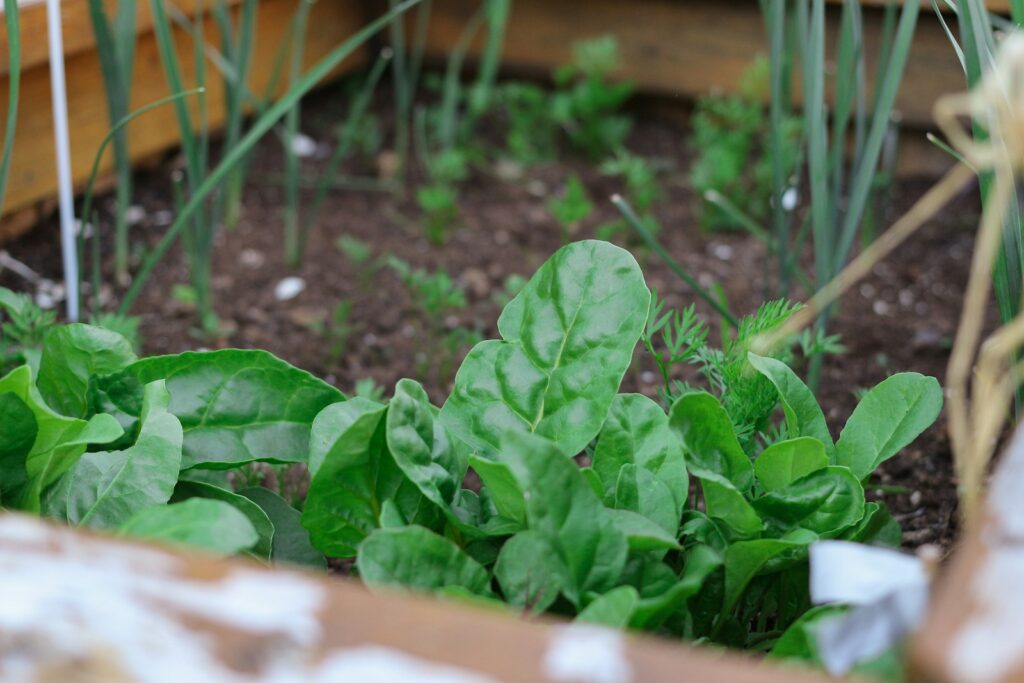
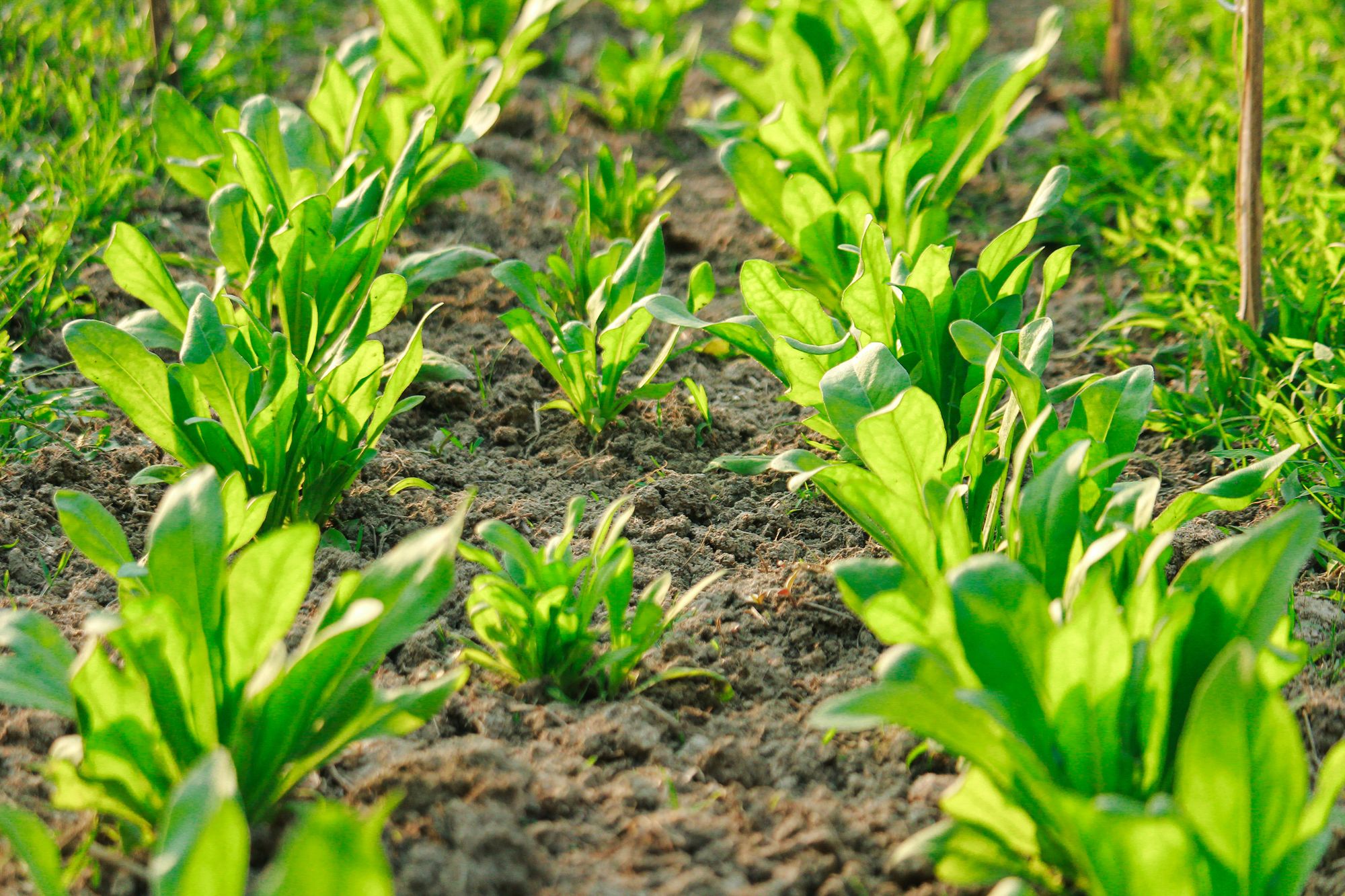

Forty-five days. That’s the low end of how long spinach needs to go from seed to a harvestable leaf, and once you add in the slower growth and shorter daylight of autumn, you’re closer to two full months before a fall crop is ready to cut. If you haven’t gotten seed in the ground yet, you’re not early anymore — you’re on the clock. The USDA Plant Hardiness Zone Map won’t hand you an exact planting date, but combined with your area’s average first frost, it draws a hard line that’s easy to miss and expensive to cross. Extension horticulturists who work this math every year say the miscalculation isn’t about skill. It’s about people assuming they have more September left than they actually do.
How the Countback Actually Works
Gardeners don’t plant fall greens by picking a date off a calendar. They work backward from the first expected frost in their area, using each crop’s days-to-maturity as the starting number. Iowa State University Extension puts both spinach and leaf lettuce at roughly 45 to 60 days from seed to harvest, but that number alone undersells what fall planting actually demands. Extension guidance from both Virginia Tech and the University of Maryland instructs gardeners to tack on an additional two weeks or so — sometimes called a “fall factor” — to account for the fact that shrinking daylight and cooling soil slow everything down compared with a spring-planted crop. Put the two together and you’re looking at something closer to 60 to 75 days of real time between the seed going in and a full harvest coming out. Count backward from your local first-frost date, and the window narrows fast.
What the Zone Map Actually Tells You
It helps to be precise about what the USDA map measures, because it’s frequently misapplied. The map sorts the country into zones based on the average annual extreme minimum winter temperature, broken into 10-degree bands with 5-degree half-steps in between. It was built to tell you which perennial plants can survive winter where you live, not when your first fall frost typically arrives. The two are related but not identical, which is why serious planting guides pair your hardiness zone with a separate frost-date lookup rather than using zone alone. Once you know both, spinach and lettuce become fairly forgiving: both are frost-tolerant crops, and spinach in particular can shrug off a light freeze once it’s established. The real constraint isn’t surviving cold. It’s getting big enough before the short, dim days of late fall stall growth almost entirely.

The Window Shifts by Region, But It’s Always Closing
How much runway you actually have depends heavily on where you garden. Texas A&M AgriLife Extension breaks its state into five planting regions and shows just how wide that spread gets: in the state’s northernmost zone, the recommended spinach planting date is mid-August, while in the mildest southern zone it stretches to mid-December, a four-month gap driven entirely by when frost and heat arrive. Leaf lettuce shows the same pattern, with recommended sowing running from early September in cooler zones to early December farther south. The guide is explicit that gardeners should cross-reference their USDA hardiness zone against these regional charts rather than guess. In a colder zone like 5 or 6, where Iowa State notes first frost typically lands between September 30 and October 15, that math already points to planting in mid-August through early September for a fall crop — meaning by the second week of September, gardeners in those zones are pushing the edge of what the season can finish.
Why One Week Matters More Than It Should
The math isn’t forgiving because plant growth isn’t linear. A spinach seedling planted with 60 days of favorable growing weather ahead of it will size up into full leaves. The same seedling planted a week later might only get 50 of those days before growth slows to a crawl under short daylight and cooling soil, and it can stall out half-grown, vulnerable to a hard freeze it hasn’t matured enough to handle. There’s also a germination hurdle on the front end: Maryland Extension notes spinach and lettuce seed struggles to germinate at all when soil temperature sits above 70 degrees, which is exactly the condition many gardeners face if they wait for the first cool snap to feel motivated. By the time soil finally cools enough to germinate reliably, the maturity clock may no longer leave enough days before frost.
The Bottom Line
None of this requires precision gardening. It requires knowing two numbers — your zone-informed frost date and your crop’s days to maturity, plus a couple of weeks’ cushion — and doing the subtraction before, not after, the seed packet goes back in the drawer. Waiting for perfect conditions is usually how gardeners end up with neither the harvest nor the season they were counting on.