


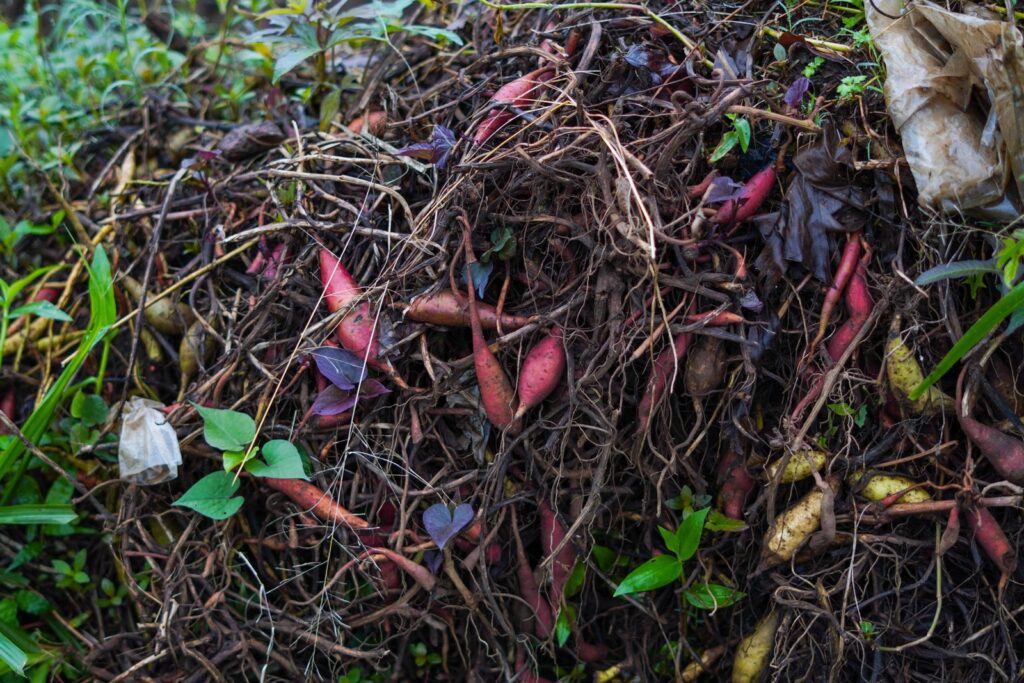
A backyard compost bin is supposed to turn banana peels and grass clippings into free garden soil. For a lot of homeowners, it’s quietly doing something else: running a 24-hour buffet for rats, mice, and whatever else wanders through the yard after dark. University extension programs that field these complaints every season say the problem almost never comes down to bad luck. It comes down to a short list of habits — what goes in the bin, and how often it gets covered — that most people never think twice about.
Rodents aren’t drawn to compost because it’s compost. They’re drawn to it because, done wrong, it offers exactly what they’re looking for. University of Vermont Extension puts it plainly: rats treat a compost pile as “a source of food and a warm place to nest,” which means a bin can function as both a pantry and a home if it’s left unmanaged. Fixing that doesn’t require giving up composting. It requires knowing which specific mistakes are doing the damage.
The ingredients extension experts say to keep out entirely
The single biggest mistake, according to multiple university programs, is what homeowners choose to toss in. Iowa State University Extension and Outreach warns against adding “meat scraps, bones, grease, whole eggs, or dairy products,” noting that these items decompose slowly, generate odor, and specifically invite rodents into the pile. Cornell Cooperative Extension’s guidance is nearly identical: its list of foods to avoid includes meat, chicken, fish, oils, cheese, and any leftovers heavy in oil or seasoning, since the fat and protein content is exactly what draws animals in from a distance.
Pet waste belongs on that same do-not-compost list. Iowa State flags “pet feces or spent cat litter” as a combined pest and health risk, not just an odor problem. If your bin has become a magnet for visitors, the first thing worth auditing isn’t the bin itself — it’s what’s actually inside it.

The “dump and run” habit that undoes everything else
Even a bin with the right ingredients can still attract rodents if scraps sit exposed on top of the pile. Cornell’s extension office calls this the “dump and run” approach — tossing food scraps in and walking away without covering them — and identifies it as a core driver of animal problems, separate from what’s actually being composted. Left uncovered, food scraps sit in plain view and within smell of anything passing through the yard overnight.
The fix both Cornell and UVM extension programs recommend is the same: bury new scraps in the center of the pile and immediately layer them with “browns” — dry leaves, straw, wood chips, or shredded paper. UVM Extension’s guidance is specific about the ratio, recommending as much as three times more brown material than green material in areas with heavier wildlife pressure. That layer of cover does double duty — it masks odor and it physically blocks easy access to the food underneath.
What’s happening below and around the bin matters just as much
Rodent problems aren’t only about what’s inside the compost. Both UVM and Cornell extension resources point to the physical setup of the bin itself as a common blind spot. Rats and mice can burrow underneath an open-bottom bin, so UVM recommends lining the base with “a sheet of 1/4-inch hardware cloth” to block tunneling before it starts. Cornell’s guidance goes further, suggesting bins be wrapped in wire mesh, fitted with tight lids, and set on wire-lined pallets or a gravel foundation rather than placed directly on bare soil.
Location matters too. Cornell’s extension notes that woodpiles, sheds, and brush piles near a bin give rodents daytime cover that makes nighttime raids on the compost more likely, and that other food sources nearby — bird feeders, pet food left outdoors, uncovered garbage cans — can pull animals into the yard in the first place, with the compost bin becoming a secondary target once they’re already there.
Moisture and neglect are the quiet enablers
A pile that’s too wet creates its own problem. UVM Extension describes an overly saturated pile as becoming “a smelly, slimy mess that attracts flies and unwanted four-legged visitors,” which means moisture management isn’t just about decomposition speed — it’s pest control. Turning the pile roughly every two weeks, as both extension programs advise, keeps it aerated, helps it heat up enough to break down food scraps faster, and disrupts the kind of undisturbed, sheltered conditions rodents look for when choosing a place to nest.
None of this requires special equipment or a bigger investment than most home composters already have. It requires treating the bin the way extension experts describe it: an actively managed system, not a pile you can load up and ignore. Keep meat, dairy, and grease out, bury what you add, secure the structure below and around it, and the same pile that was drawing rodents becomes what it was supposed to be in the first place — a source of usable soil rather than a food source for something you didn’t invite into the yard.