


Shoppers are walking into 2026 with a very different retail map than they had even a year ago. Big chains are trimming locations, specialty brands are rethinking how many storefronts they really need, and entire categories are quietly shrinking their physical footprint. Nearly 300 U.S. retail stores are already on the chopping block through the end of the year, and the list keeps growing as companies reassess what still works in person and what belongs online.
For customers, that means favorite stores disappearing from local malls and shopping centers, sometimes with little warning. For workers and communities, it means job losses, empty anchors, and a scramble to figure out what fills the gap. Here is a closer look at which major names are closing locations in 2026, why it is happening, and what it signals about the next phase of American shopping.

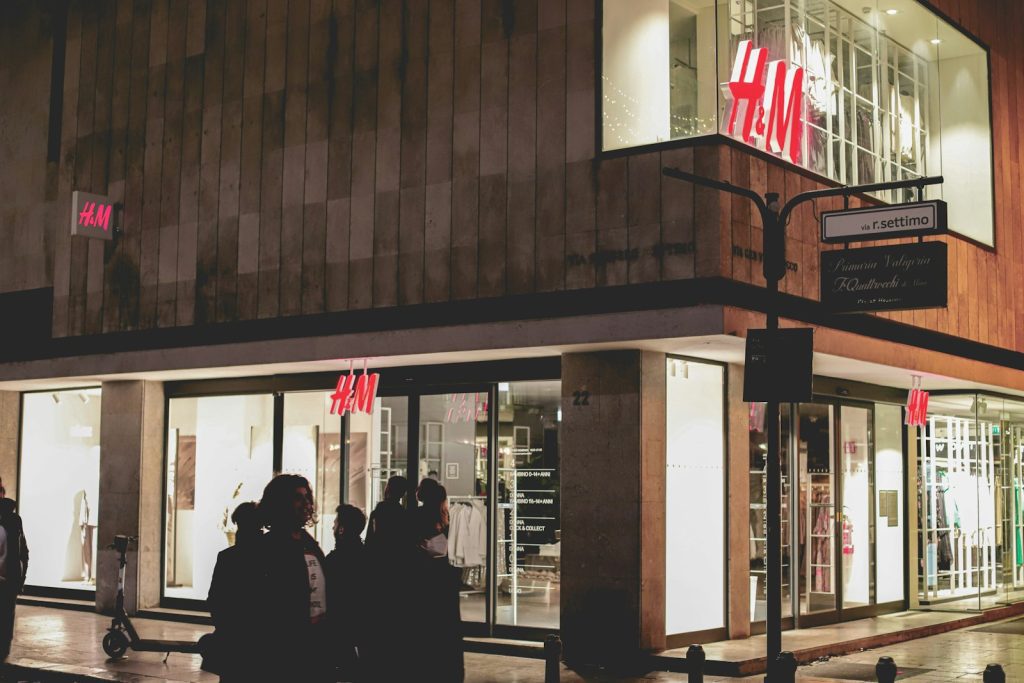
Department stores pull back from sprawling footprints
Traditional department stores are still the bellwether for how much in-person shopping power is left in the mall. Chains that once raced to plant a flag in every regional center are now quietly reversing course, closing underperforming sites and leaning harder on e-commerce and smaller formats. The shift is especially visible at legacy names that built their reputations on big-box glamour and endless in-aisle choice.
Macy, one of the most recognizable department store brands in the country, is part of the group trimming locations as part of the nearly 300 stores set to close by the end of 2026. The company is still investing heavily in its digital storefront at macys.com, a clear sign that leadership sees more growth potential in online carts than in cavernous suburban boxes. As these big anchors exit, malls are left to decide whether to carve up the space for smaller tenants, bring in entertainment, or simply shutter entire wings.
Discount and off-price chains rethink “more is more”
Off-price and discount retailers spent the last decade convincing shoppers that treasure-hunt aisles and deep markdowns were worth a special trip. Now even that model is getting a reality check. Some chains are still opening new doors, but others are quietly pruning locations that no longer justify the rent, especially in markets where online competitors have trained customers to wait for a delivery instead of digging through racks.
Several of the Stores and Restaurants in 2026 fall into this value-focused category, including discount fashion and outlet-style concepts that once thrived on overflow inventory from full-price brands. As landlords look for stable tenants and chains look for higher-margin sales, the old assumption that “more locations equals more profit” is fading. Instead, companies are concentrating on a smaller set of high-traffic stores and using those as showrooms that feed their websites and apps.
Specialty retailers and children’s brands feel the squeeze
Specialty chains that built their businesses around narrow niches are being forced to confront how much of that niche has moved online. Children’s apparel is a prime example. Parents who once relied on mall trips for seasonal wardrobes now mix big-box basics with online hauls, leaving dedicated kids’ stores fighting for every sale. That pressure is translating directly into store closures.
Carter, a long-standing name in children’s clothing, has already laid out plans to shutter 150 locations over the next few years after a challenging holiday season, with closures continuing into 2026. That same figure of 150 stores is echoed in broader rundowns of retailers cutting back, underscoring how aggressive the retrenchment is for a single brand. For parents, it means fewer chances to touch fabrics and check sizing in person before clicking “buy,” and for shopping centers, it removes a key draw for family traffic.
Craft, fabric, and hobby chains confront a changed customer
Hobby and craft retailers were once considered relatively insulated, since a big part of the appeal was browsing aisles of fabric, yarn, and seasonal décor in person. That cushion is thinning. Rising costs, shifting tastes, and the growth of online marketplaces for supplies have pushed some of the biggest names in the category to rethink how many stores they can support.
Joann, a familiar stop for fabric and craft fans, is a stark example of how quickly the math can change. The chain operates about 850 locations, but plans to close roughly 500 of them, leaving a much leaner network out of its 790-plus footprint. That kind of contraction does not just affect crafters looking for last-minute supplies. It also hits the small businesses that rely on these stores for materials, from Etsy sellers to local costume designers, who may now have to order more inventory online and plan further ahead.
Restaurants and service chains trim underperforming spots
It is not just retailers closing doors in 2026. Restaurant and service chains are also reassessing where it still makes sense to operate a full brick-and-mortar location. Rising labor costs, changing dining habits, and the growth of delivery apps have all chipped away at the logic of maintaining a dense network of sit-down or counter-service spots, especially in secondary markets.
Roundups of Major Chain Stores and Restaurants Closing Locations over the next 12 months highlight how widespread the trend has become, with casual dining, fast-casual, and even some quick-service brands pruning weaker units. Coverage by Rob Carroll notes that Rob Carroll Published lists of closures now read like a cross-section of the American strip mall. All of that means fewer familiar logos at highway exits and more empty dining rooms waiting for the next concept to take a swing.
Supporting sources: businesses are closing, 12 US businesses.
More from Decluttering Mom: