Philadelphia is once again sitting at the top of a list nobody wants to top. New data pulled straight from actual pest-control service visits — not opinion surveys, not guesswork — shows exactly where bed bug treatments spiked hardest across the country last year, and the pattern is worth paying attention to whether you live in one of these cities or you’re just planning a trip through one. Terminix built this ranking from the number of bed bug service calls its own branches responded to in 2025, which makes it a genuinely useful snapshot of where infestations are actually happening rather than where people merely think they’re happening. That distinction matters more than it sounds like it should. Once you see which cities rise to the top and understand why, the whole conversation around bed bugs starts to make a lot more sense, and the myths around them get a lot easier to let go of.
The Cities Where Bed Bugs Are Busiest Right Now
Philadelphia holds the number one spot, with Cincinnati close behind at number two and New York City rounding out the top three. Detroit and Cleveland follow at four and five, then Chicago, Atlanta, Washington D.C., Nashville, and Charleston, West Virginia fill out the rest of the top ten. The full ranking runs fifty cities deep, and if you scan the whole list, a regional pattern jumps out fast: Ohio and Pennsylvania each land multiple metro areas in the top twenty, from Columbus and Toledo and Dayton to Pittsburgh, Harrisburg, and Wilkes-Barre. Dallas, Little Rock, Indianapolis, Baltimore, Boston, Houston, and Memphis round out the rest of the upper half, with cities like Tampa, Denver, Los Angeles, and Kansas City following close behind.
What makes this particular ranking feel more trustworthy than the survey-based lists that circulate every so often is exactly what it’s built on. This isn’t a poll asking people to guess or recall whether they’ve seen a bug. It’s a count of real technicians showing up to real homes and apartments to treat a confirmed problem, which strips out a lot of the noise that comes with self-reported data.
Why These Particular Cities Keep Showing Up
It isn’t bad luck, and it certainly isn’t a reflection of how clean or careless a city’s residents happen to be. Bed bug prevalence runs roughly three times higher in urban areas than in rural ones, according to pest management industry data from the National Pest Management Association, and that gap comes down to density, not hygiene. Dense cities pack more people into shared hallways, elevators, laundry rooms, and public transit seats, and every one of those shared spaces is a potential handoff point. Terminix’s own analysis of the rankings points to the same conclusion, noting that dense urban environments see more activity because of the sheer volume of travel, housing turnover, and shared living arrangements moving through them.
There’s also a seasonal and behavioral piece to this. Pest control professionals report that complaints tend to climb during the busiest travel months, when vacations, business trips, and college move-ins send people (and their luggage) crisscrossing the country and back again. A city with a major airport, a busy convention calendar, or a large renter population is simply going to see more of that traffic than a small town with little transient population turnover.
The Myth Worth Retiring: Bed Bugs Have Nothing to Do With Being Dirty
If there’s one thing worth taking away from all of this, it’s permission to stop feeling embarrassed. A lingering and stubborn misconception is that bed bugs show up because a home is messy or unclean, and it simply isn’t true. The National Pest Management Association is direct about this, stating plainly that bed bugs do not discriminate in regard to household income and are found in both sanitary and unsanitary conditions. Yet the myth persists widely enough that more than a third of people surveyed still associate bed bugs with dirty homes.
Bed bugs aren’t drawn to crumbs or clutter the way ants or roaches are. They’re drawn to warmth, carbon dioxide, and a steady blood meal, which means a five-star hotel suite is just as appealing to them as a studio apartment. If you find yourself dealing with them, the honest truth is that it says nothing about your housekeeping and everything about where you’ve traveled, what’s come through your door secondhand, or who shares a wall with you.
How Bed Bugs Actually Get Around
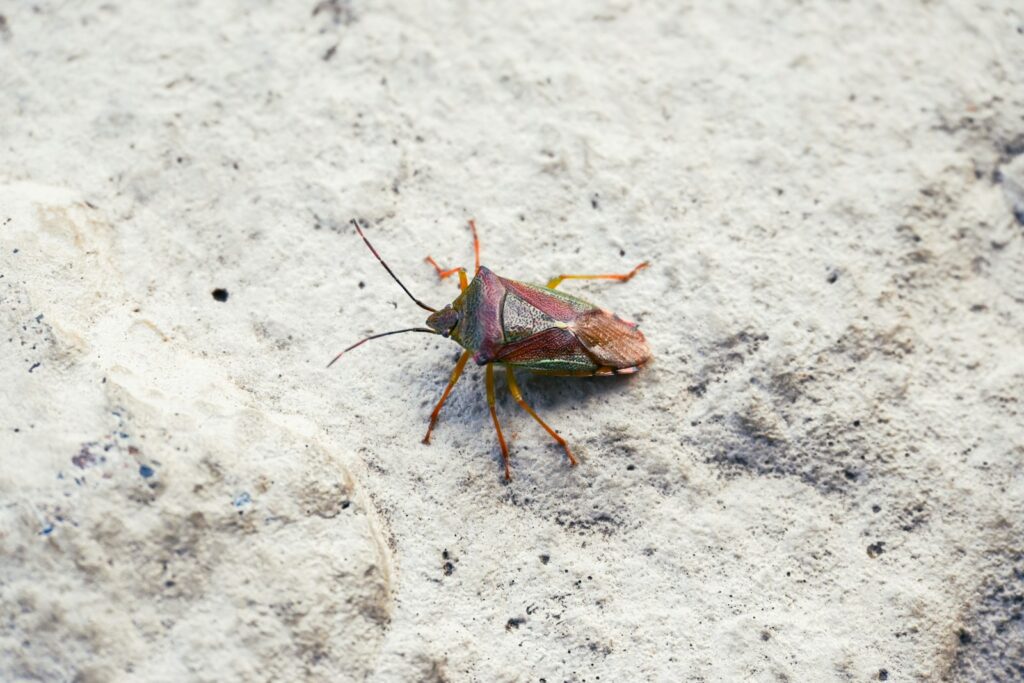
Understanding the real transmission routes is what turns anxiety into something you can actually manage. The Environmental Protection Agency describes bed bugs as remarkably good hitchhikers, explaining that they move from an infested site to a new home by traveling on furniture, bedding, luggage, boxes, and clothing. They don’t fly and they don’t jump; they simply climb into something you’re carrying and wait. That’s why the three biggest culprits behind a new infestation tend to be travel, secondhand furniture, and multi-unit buildings, and each works a little differently.
Travel is the most obvious vector, since a single hotel stay, overnight visit, or even a rideshare with an infested passenger can be enough to bring a hitchhiker home in a seam of your bag. Secondhand furniture is a quieter but equally common route; bed bugs can survive for months without feeding, so a mattress, couch, or upholstered chair sitting in storage or at a resale shop can still be carrying live insects long after its last owner moved out. And in apartment buildings, condos, and other multi-unit housing, bed bugs can travel through wall voids, along shared pipes, and under doorways between units, which is part of why apartments and condominiums rank among the most common places pest professionals find infestations, right alongside single-family homes and hotels.
How to Check a Hotel Room Before You Ever Unpack
A quick inspection when you first walk into a hotel room takes maybe five minutes and can save you weeks of trouble later. The EPA recommends starting with the obvious landing spot: check the luggage rack itself for signs of bed bugs before you ever set a bag down on it. From there, pull back the sheets and use your phone’s flashlight to examine the mattress seams, the headboard, and the piping along the edges of the mattress for small rust-colored stains or live bugs hiding in the folds. Keep your suitcase zipped and off the bed and the floor whenever possible, resting it instead on a hard surface like a luggage rack or bathroom counter, and avoid draping clothing over upholstered chairs where a hitchhiker could climb aboard unnoticed. If anything looks off, ask for a different room, ideally one that isn’t directly adjacent to or above the room you were originally assigned.
How to Check Secondhand Furniture Before It Comes Home With You
That vintage dresser or well-loved sofa deserves a real inspection before it crosses your threshold, not after. The EPA’s guidance is straightforward on this point, advising shoppers to check secondhand furniture, beds, and couches for any signs of bed bug infestation before bringing them home. In practice, that means peeling back the edges of upholstery fabric and looking underneath cushions for dark spotting or shed skins, since both are telltale traces bed bugs leave behind. For a mattress or wooden furniture piece, run a flashlight along every screw hole, joint, and seam, since those tight, dark crevices are exactly where bed bugs like to hide during the day. If you can’t fully inspect a piece before purchase, it’s worth treating it with caution: keep it isolated from the rest of your home for a while, or have it professionally treated, before it joins the rest of your furniture.
Early Warning Signs Worth Knowing
Catching an infestation early makes an enormous difference in how easy it is to resolve. Small rust-colored or reddish-brown stains on sheets and mattress seams are one of the earliest tells, since they come from crushed bugs or digested blood. Tiny dark spots that look like ink or pepper flecks are another clue, often bed bug droppings clustered near seams and corners. Waking up with new, itchy, red bite marks in a line or cluster, especially after a hotel stay or after bringing in a used item, is frequently the first sign people actually notice, even though bites alone aren’t definitive since not everyone reacts to them the same way. Shed skins and a faint, musty, sweetish odor in a heavily infested space round out the list of things worth investigating rather than ignoring.
What to Do If You Suspect an Infestation
If you spot any of those signs, resist the urge to immediately start moving furniture between rooms, since that’s one of the fastest ways to spread bed bugs to parts of your home that were previously clear. It’s also worth resisting the temptation to reach for a store-bought spray as a first line of defense. As Terminix’s guidance on the subject puts it, DIY sprays and home solutions for bed bugs are typically ineffective and can often scatter the bugs into hard-to-reach areas instead of eliminating them, which tends to make the problem harder to solve, not easier. The more reliable path is to isolate what you can, wash and heat-dry bedding and clothing on the highest safe setting, and bring in a licensed pest control professional who can confirm what you’re dealing with and treat it properly the first time.
None of this is meant to make you paranoid every time you check into a hotel or eye a great deal on a secondhand sofa. It’s meant to do the opposite: once you understand that bed bugs travel because of density, movement, and shared spaces rather than anything to do with cleanliness, a five-minute mattress-seam check starts to feel less like anxiety and more like the same reflexive habit as locking your front door. The cities topping this year’s list simply have more people, more travel, and more shared walls passing through them, and knowing that is enough to keep you a step ahead no matter which city you happen to call home.