


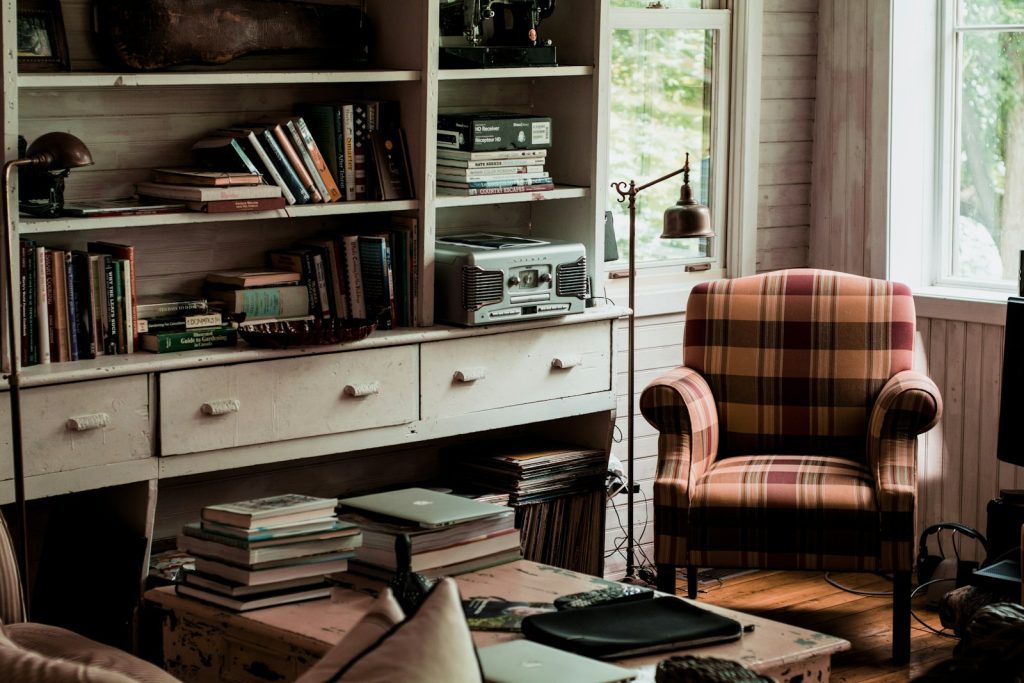
Boomers love to point out that a lot of what they bought in the 1970s still works better than the sleek, fragile stuff sold today, and recent reporting backs them up. From sturdy home gear to everyday basics that shrug off decades of use, their shopping habits in the 70s and 80s created a kind of accidental stress test for modern consumer culture. Looking at what survived helps explain why younger people are so fascinated, and sometimes baffled, when a parent or grandparent casually fires up some old item that just refuses to die.
1) Durable 1970s Purchases Outlasting Modern Equivalents

Durable 1970s purchases outlasting modern equivalents show up clearly in coverage of 7 things Boomers bought in the 70s and 80s that they are still using today. That reporting leans on the idea that these items were built for long-term daily use, not quick replacement, which is why younger people are stunned when a decades-old appliance or tool still runs smoothly. The contrast with fast fashion and flimsy electronics highlights how design priorities shifted from longevity to constant upgrades.
Those older purchases matter because they quietly challenge the assumption that everything has to be disposable. When a blender, stereo, or piece of furniture from the 1970s keeps doing its job, it undercuts the logic of planned obsolescence and subscription-style consumption. It also shapes family habits: Boomers who still rely on these survivors often model repair, maintenance, and patience, while younger relatives see firsthand that “new” is not always the same thing as “better” in everyday life.
2) Long-Lasting Boomer Home Staples
Long-lasting Boomer home staples show up in reporting on 11 things Baby Boomers still have in their homes that Gen Z would never buy. Those pieces, from old-school decor to analog gadgets, are framed as holdovers that clash with current tastes but keep doing their jobs without complaint. The coverage emphasizes that these items were bought once, often in the 1970s, and then simply stayed put, surviving trend cycles that would have sent newer versions to the curb.
That kind of staying power has real implications for how different generations think about value. For Boomers, a heavy, slightly dated object can represent money well spent and years of reliability, while Gen Z might see only clutter or inefficiency. The tension between those views reflects a broader shift toward minimalism and digital solutions, yet the fact that the older gear still works complicates any easy argument that newer is automatically smarter or more sustainable.
3) 1970s Innovations Credited to Earlier Generations
1970s innovations credited to earlier generations are highlighted in a piece listing 11 things that are Gen X’s gift to the world, which notes how certain cultural and technological shifts from that era still shape daily life. Even when the focus is on Gen X, the timeline overlaps with late-70s and early-80s products that bridged analog and digital habits. Those innovations, from entertainment formats to lifestyle tweaks, often proved more durable in concept than many of today’s quickly replaced apps and gadgets.
Seeing those contributions as “gifts” underscores how long-lasting ideas can outlive the hardware they first appeared on. When a format, interface, or cultural norm born around the 1970s keeps influencing how people work and relax, it suggests that some design choices were fundamentally sound. That endurance also complicates stereotypes about older generations resisting change, since many of the tools and habits younger people rely on grew out of experiments that started in the same households now filled with vintage gear.
4) Vintage 70s Cookware Still in Use
Vintage 70s cookware still in use fits neatly into the broader pattern of sturdy 1970s purchases that refuse to quit, echoing coverage of 10 nostalgic things from the 70s that boomers still swear were better than today’s versions. That reporting specifically calls out Music and Movies as examples of experiences that felt more substantial, and the same mindset often applies in the kitchen, where heavy pans and simple tools from that decade still deliver consistent results. The nostalgia is not just about aesthetics, it is about performance that has held up over time.
Those old pots and skillets matter because they show how quality materials can outlast entire waves of nonstick trends and gadget fads. When a Boomer reaches for a scratched but solid pan that predates most of their streaming subscriptions, it highlights a different relationship to stuff, one rooted in familiarity and trust. Younger cooks who inherit or borrow that cookware get a crash course in how well-made gear can reduce waste, save money, and make everyday routines feel a little more grounded.
5) Boomer Household Items Gen Z Rejects
Boomer household items Gen Z rejects are central to the list of 10 things boomers bought in the 1970s that they still use today, which contrasts those survivors with a modern market defined by fast fashion and planned obsolescence. The summary notes that While fast fashion and planned obsolescence dominate now, Boomers invested in items built to survive decades of daily use. That framing helps explain why younger people, used to frequent upgrades, often see those same objects as outdated or overly bulky.
The generational divide is not just about taste, it is about expectations for how long something should last. When a Boomer proudly points to a 1970s purchase still doing its job, it challenges the idea that constant replacement is normal or necessary. For Gen Z, who grew up with rapid tech cycles and subscription everything, those relics can feel like artifacts from another economic model, one where durability and repair were default settings rather than niche values.
More from Decluttering Mom: