


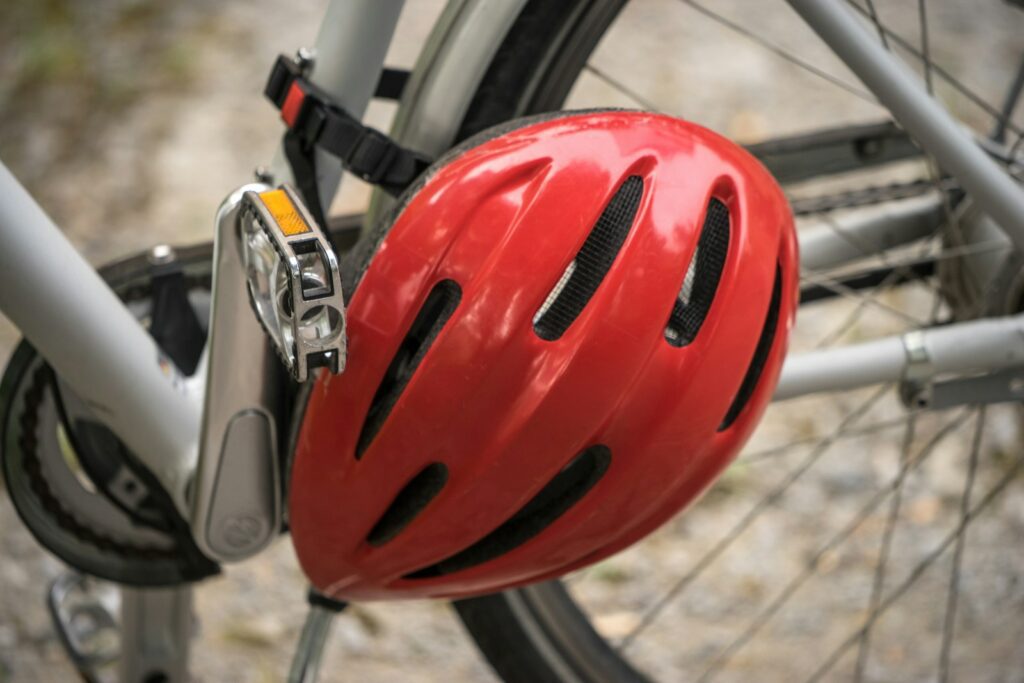
At least three bicycle helmet brands have been pulled from Amazon in 2026 for violating the same federal safety standard, and every single one of them was sold exclusively through the same online marketplace rather than a bike shop or sporting goods chain. Federal regulators say the pattern is becoming familiar: a low-cost helmet appears on Amazon under an unfamiliar name, sells a few hundred units, and turns out to have never actually been certified against the impact test that’s supposed to keep a rider’s skull intact in a crash.
Two Recalls, Same Defect, Same Marketplace
The Consumer Product Safety Commission recalled roughly 520 adult bicycle helmets sold by Gudook Outdoor Sports because they “do not comply with the impact attenuation and certification requirements” of the mandatory federal bicycle helmet standard, according to the agency’s recall notice. The $23 helmets were sold on Amazon between May 2025 and February 2026. No injuries have been reported yet, but the defect means the foam liner may not actually absorb impact energy the way a certified helmet is required to in independent testing.

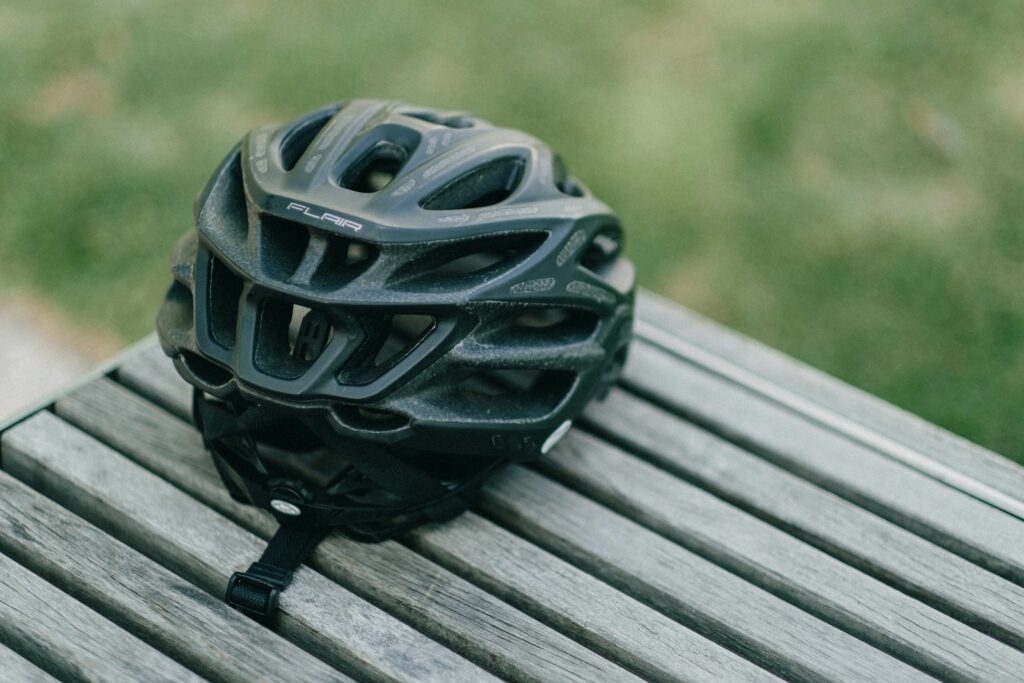
A separate recall covering roughly 170 helmets sold under the brand R.X.Y turned up the identical problem. The CPSC’s recall notice for the R.X.Y helmets cites failures in “impact attenuation, positional stability, labeling and certification requirements,” the same core safety test Gudook’s helmets failed. Those helmets, also priced around $23 and sold exclusively on Amazon, were on the market from September through November 2025 before regulators caught the violation.
A Third Brand, and a Pattern Regulators Are Watching
Bicycle helmet recalls tied to the same certification failure have continued to surface throughout 2026, with a third brand, ProRider, also pulled from the market this year after regulators found comparable safety-standard violations, according to reporting from The Washington Times. Each case follows a near-identical script: a helmet brand with little public track record lists a cheap adult helmet on Amazon, undercuts name-brand pricing by 60% or more, and skips the third-party lab certification that legitimate manufacturers pay for before a helmet ever reaches a shelf.
None of the recalls to date have been tied to a confirmed injury, which is arguably the more unsettling part. A helmet that fails a lab impact test doesn’t announce itself as defective in normal use. It looks, fits, and rides exactly like a certified one right up until the moment it’s actually needed in a crash, and by then it’s too late to check the label.
Why the Federal Standard Exists in the First Place
The bicycle helmet standard these companies violated isn’t a voluntary industry guideline. It’s a mandatory federal safety regulation, which means any helmet sold in the U.S. is legally required to pass it before going on sale, not just before a recall gets issued after the fact. That’s a meaningful distinction from most product categories, where safety testing is optional until something goes wrong. For helmets specifically, Congress decided decades ago that the stakes of a defective one were high enough to make certification mandatory rather than voluntary, precisely because a parent buying a cheap helmet for a kid has no realistic way to verify impact performance themselves.
Why These Keep Slipping Through
Legitimate helmet manufacturers send their designs to an independent testing lab before a single unit ships, a process that typically costs tens of thousands of dollars per model once lab fees, sample units, and re-testing after design tweaks are factored in. That cost gets built into retail pricing, which is part of why a certified adult helmet from an established brand rarely sells for less than $30 to $40. A helmet priced at $23 with no recognizable brand history has effectively skipped that entire step, betting that regulators won’t catch the shortcut before enough units sell to make it worthwhile. Marketplaces like Amazon allow third-party sellers to list products directly, and while Amazon does require safety certifications for certain product categories, enforcement happens largely after the fact, through complaints and recalls, rather than before a listing ever goes live.
What to Actually Check on a Helmet You Already Own
Every legitimately certified bicycle helmet sold in the U.S. carries a CPSC certification sticker on the inside of the shell, along with the manufacturer’s name and a model number. If a helmet in your garage was purchased on Amazon from a brand name you don’t recognize, doesn’t have that sticker, or was priced dramatically below what a comparable name-brand model costs, it’s worth checking the CPSC’s own bicycle helmet recall list before the next ride rather than after an accident. Given how quickly new brands with the same defect keep surfacing on the same marketplace, this almost certainly won’t be the last recall in this pattern before the year is out.