


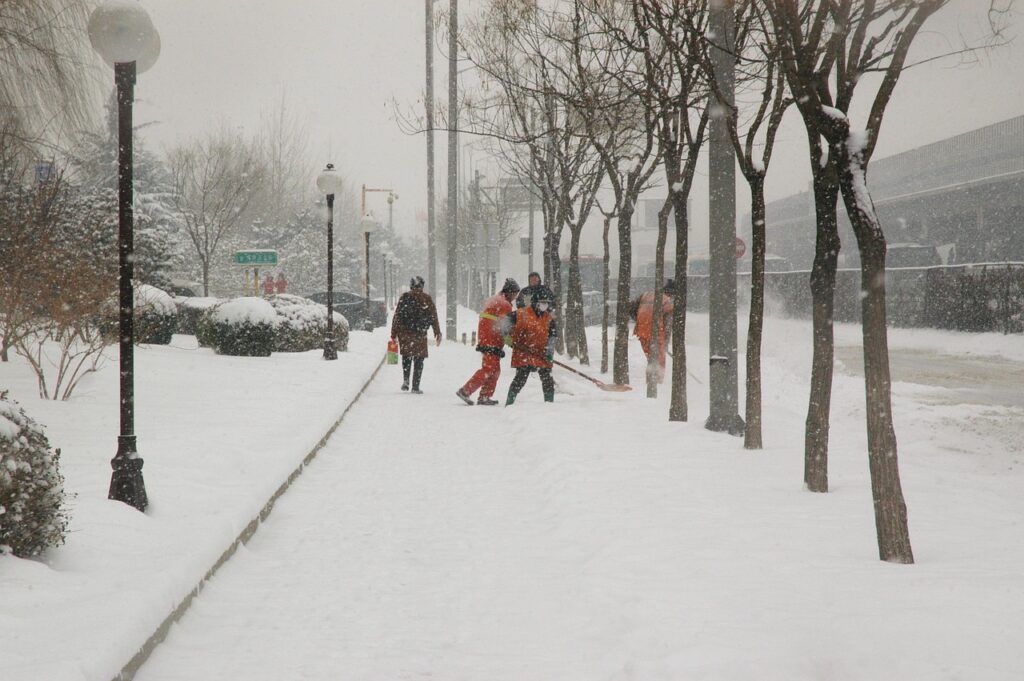
Snow is supposed to be the harmless part of a winter storm, the quiet aftermath when people dig out, swap stories, and get back to normal. In Lehigh County, Pennsylvania, that routine turned deadly when three residents collapsed and died while clearing their driveways and sidewalks. Their deaths, tied directly to snow shoveling and other removal work, have turned a familiar chore into a sobering warning about what heavy storms can do to the human body.
Officials say the victims all suffered medical emergencies while dealing with deep snow, and investigators later ruled each case a natural death linked to underlying health problems. Even so, the cluster of fatalities in one county during a single storm has rattled neighbors and underscored how quickly a winter clean‑up can become a life‑threatening situation, especially for older adults and anyone with heart issues.
The storm that buried Lehigh County

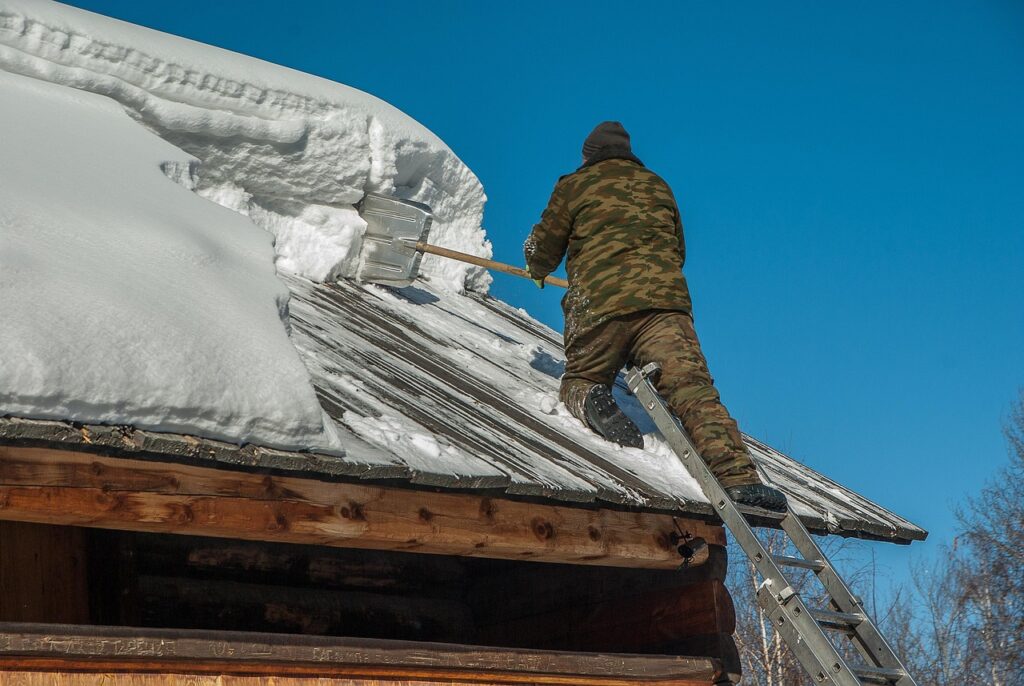
The snow that set the stage for these deaths was not a light dusting. It was the kind of system that shuts things down, piles drifts against front doors, and forces entire communities into dig‑out mode. Local measurements showed that parts of the Lehigh Valley picked up well over a foot of accumulation, with places like Emmaus logging 13.3 inches as the storm pushed through and lingered into the evening, a total that turned every driveway into a serious workout zone for anyone grabbing a shovel.
That depth matters, because it translates directly into how hard people have to work to clear their property. Wet, compacted snow can weigh more than 20 pounds per shovelful, and when residents in Lehigh County stepped outside after the storm, they were facing hours of repetitive lifting in cold air that constricts blood vessels and raises blood pressure. Local reporting tied the three fatal medical emergencies to that exact window of time when people were out in force trying to move the heavy snow that had just blanketed the region, with officials noting that the storm was one of the Lehigh Valley’s biggest in years and that the cleanup stretched from Sunday afternoon into the night, according to local coverage.
Three lives lost doing a routine chore
Against that backdrop, three separate residents of Lehigh County suffered medical crises while they were out in the snow, either shoveling or using equipment to clear it. Authorities have described them collectively as Three people who died in connection with snow removal activity, each case unfolding as the storm cleanup was underway. In every instance, the person was engaged in what most neighbors would see as a normal, even mundane task, right up until the moment their body could not keep up with the strain.
Investigators later confirmed that all three were pronounced dead after being taken to nearby hospitals, where doctors could not reverse the damage that had already been done. The Lehigh County Coroner’s Office publicly linked each fatality to snow shoveling or similar work, and officials emphasized that these were not traffic crashes or exposure cases but medical emergencies that struck in driveways and yards. Reporting on the cluster of Three deaths has stressed how quickly a familiar winter ritual turned into a tragedy for each family involved.
The Lehigh County Coroner, whose Office handled all three cases, has been clear about the medical picture that emerged once the immediate chaos of the storm passed. After reviewing the circumstances and conducting examinations, the office ruled the manner of death in each case as natural, pointing to underlying cardiac conditions that were pushed past their limits by the intense physical effort of snow removal. In other words, the storm did not cause these health problems out of nowhere, but the combination of cold air and heavy exertion appears to have triggered fatal events in people whose hearts were already vulnerable.
Officials have described the deaths as weather related, even though they were not caused by direct trauma like a crash or a falling tree. The key link, they say, is the timing and the activity: all three people were engaged in clearing snow when they collapsed, and all three were older adults with known or suspected cardiovascular issues. A separate regional coroner has echoed that pattern in other parts of Pennsylvania, tying multiple Snow removal fatalities to cardiac conditions in older adults and urging residents to take safety precautions when they head outside to dig out, according to guidance shared in coroner advisories.
How the emergencies unfolded on the ground
On the day the storm hit, emergency dispatchers in Lehigh County were already busy with the usual winter chaos, from stuck vehicles to downed lines. Layered on top of that, police and medics started getting calls about people collapsing while shoveling or using snow blowers. In each of the three fatal cases, first responders arrived to find someone in severe distress after a period of strenuous activity outside, and despite rapid transport to hospitals, the victims were later pronounced dead, a sequence that local police confirmed when they discussed the snow shoveling incidents with reporters.
Those details have been fleshed out in follow up reporting that tracks how the calls came in over the course of Sunday, Jan. 26, as the storm was still affecting travel and visibility. Multiple agencies in Pennsylvania were dealing with similar medical emergencies tied to the same system, and the Lehigh County Coroner’s Office ultimately connected the dots on its own cluster of three. Regional outlets have noted that these were among Multiple weather related deaths in Pennsylvania on Sunday, with the Lehigh County Coroner specifically flagging them as Snow Shoveling Deaths Reported During Winter Storm in internal summaries that were later shared publicly, according to accounts compiled by the Daily Voice.
Why shoveling is so risky for the heart
Cardiologists have been warning for years that snow shoveling is essentially an unplanned stress test, especially for people who are older or who have a history of heart disease. The motion of lifting and throwing heavy, wet snow spikes heart rate and blood pressure, while cold air causes blood vessels to constrict and can reduce the oxygen supply to the heart muscle. For someone with narrowed coronary arteries or other cardiac problems, that combination can be enough to trigger a heart attack or a fatal arrhythmia within minutes of starting the chore.
The pattern seen in Lehigh County fits that medical playbook almost exactly, with older adults stepping outside after a major storm and pushing themselves hard to clear deep drifts. Coroners in Pennsylvania and neighboring states have specifically cited Cardiac conditions in their explanations of why snow removal can be deadly, grouping these cases under broader categories like Snow, Winter and Deaths in their internal tracking. Public health officials often point to clusters like this as a reminder that people with known heart issues should talk to their doctors before tackling heavy shoveling, or better yet, hand the job off to younger neighbors or hire a plow service, a message that has been reinforced in regional health guidance.
Lehigh County’s losses in a national storm toll
As devastating as these three deaths are for Lehigh County, they are part of a much larger national picture from the same winter system. Across the United States, at least 18 people have died in connection with the storm, a tally that includes everything from traffic crashes to exposure and recreational accidents. In Frisco, Texas, near Dallas, a 16 year old girl died in a sledding accident after colliding with a vehicle, a case that local police have cited as one of the most heartbreaking examples of how quickly winter fun can turn tragic during this outbreak of severe weather, according to national storm coverage.
Other states have reported their own grim numbers tied to the same system, which has been identified as Winter Storm Fern in some forecasts. A 17 year old boy in Arkansas was killed in another sledding crash when he hit a tree while being pulled by an ATV, and separate reports have counted two people dead from hypothermia in Louisiana, three dead from weather related incidents in Tennessee, and additional fatalities in places like Massachusetts as the storm swept across the country. Those scattered tragedies, detailed in national tallies of the Winter Storm Fern Death Toll, put Lehigh County’s three snow removal deaths in context as part of a broader wave of at least 18 storm related fatalities, according to compilations that include the Arkansas ATV crash and the wider Winter Storm Fern.
How local officials framed the deaths
Back in Pennsylvania, local leaders have tried to strike a balance between acknowledging the shock of losing three residents to snow removal and explaining the medical realities behind those losses. The Lehigh County Coroner’s Office has repeatedly stressed that the victims died of natural causes, even as it labeled the cases weather related because the exertion of shoveling in deep snow was the clear trigger. That framing is meant to help families understand that their loved ones were not taken by some mysterious new threat, but by a dangerous mix of preexisting conditions and extreme physical stress.
In a separate statement, officials noted that these three cases represent the county’s first major weather related fatality cluster of 2026, and they urged residents to take future storm warnings seriously, not just in terms of staying off the roads but also in pacing themselves during cleanup. Follow up reporting has highlighted how the coroner’s Monday news release used careful language, explaining that Following investigation, the manner of death in all three cases was ruled natural while still tying them directly to the winter storm. That nuance has been picked up by regional outlets that track weather related deaths as part of a broader public safety picture.
What we know about the victims and their communities
Authorities have not released extensive personal details about the three people who died while clearing snow in Lehigh County, in part to protect the privacy of their families. What has emerged is a general profile that lines up with what doctors have long warned about: older adults, some with known heart issues, who were determined to keep up with the demands of homeownership even in the middle of a major storm. Neighbors described similar residents across the region as the kind of people who insist on doing things themselves, even when relatives offer to help or suggest waiting for a plow.
Local reporting has focused less on names and more on the shared circumstances that connect these cases, painting a picture of quiet residential streets where the sound of shovels scraping pavement is part of the soundtrack every time a big system rolls through. In that sense, the three victims could be almost anyone in the county who stepped outside that Sunday to dig out. Coverage from regional outlets, including a detailed breakdown of how the Lehigh County Coroner handled the three snow shoveling deaths, has emphasized that the victims were part of a broader group of residents who experienced medical emergencies while shoveling on Sunday, Jan. 26, with some surviving and others not, according to summaries of 3 snow shoveling and related incidents.
Safety lessons residents are taking from the storm
In the days since the storm, the conversation in Lehigh County has shifted from raw shock to practical questions about how to keep this from happening again. Health officials and coroners have been blunt in their advice: if someone is older, has a history of heart disease, or has been told to avoid strenuous activity, they should not be out lifting heavy snow for long stretches. Instead, they are urging people to break the work into short sessions, use snow blowers when possible, stay hydrated, and listen for warning signs like chest pain, shortness of breath, or sudden fatigue.
Why this storm will stick in local memory
More from Decluttering Mom: