


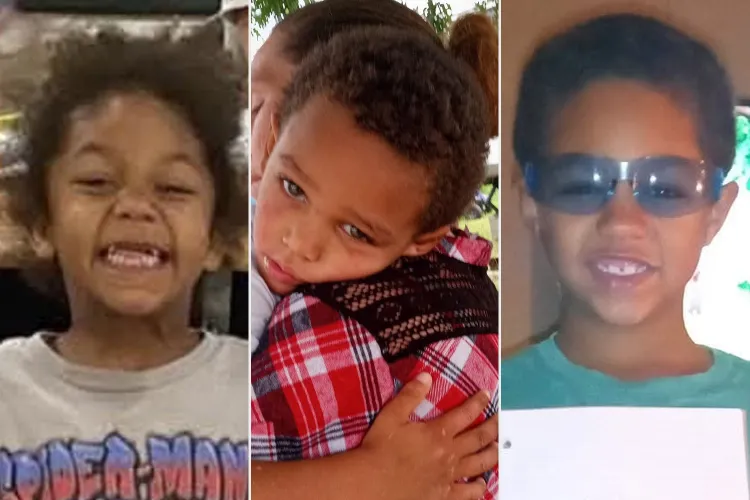
The deaths of three young brothers who plunged through the ice on a rural Texas pond have turned a freak winter moment into a family’s worst nightmare. In a state far more used to scorching summers than frozen water, the boys’ drowning during a brutal cold snap has shaken neighbors and resonated far beyond their small community. Their story is at once unbearably specific and part of a larger pattern of deadly winter weather sweeping across the country.
What happened on that pond outside Bonham is the kind of split second chain of events every parent fears: one child in trouble, siblings rushing in to help, a parent sprinting toward the screams. By the time rescuers arrived, the ice, the distance and the cold had already done their damage, leaving a mother replaying every step and a town trying to figure out how to support her.

The chain of moments on a frozen pond
The three brothers, ages 6, 8 and 9, were staying with family near a private pond along Recreational Road north of Bonham when the cold snap turned the water into a tempting sheet of ice. According to local investigators, the children ventured onto the frozen surface and the ice gave way beneath them, dropping all three into the frigid pond. What followed, witnesses say, unfolded in seconds, with one boy falling in and his brothers trying to reach him before they too disappeared under the surface.
Their mother, Cheyenne Hangaman, later described how her youngest daughter ran to alert her that her brothers were in the water, sending her sprinting across the property toward the pond. She said she ran across as much ice as she could before it broke under her as well, leaving her fighting the same freezing water that had trapped her sons while she tried to pull them out. A neighbor, a football coach at the school the boys attended, heard her screams and managed to pull her from the pond, but by the time emergency crews arrived, the boys could not be revived, according to authorities and neighbors.
A mother’s grief in her own words
In the days since, Cheyenne Hangaman has tried to put words to something that barely feels survivable. She has said her sons “were just screaming” as they struggled in the water and that she “couldn’t save them,” a sentence that now sits heavy over every detail of that afternoon. Speaking through tears, she has described how she knew, even as she fought to reach them, that the odds were slipping away in the icy water and bitter air, a reality echoed in interviews shared with reporters.
Her account has been picked up across national coverage, with Cheyenne Ha, as she is also identified, telling one outlet that she replayed the scene again and again, wondering what else she could have done. She has urged other parents to “make sure that you hold your kids tight” and “always tell them that you love them,” a plea that has resonated far beyond Bonham as people read or watch her describe the frantic rescue attempt and the silence that followed, as detailed in interviews highlighted by broadcast segments.
A tight-knit town and a school in mourning
Bonham is the kind of place where a frozen pond is more likely to be a backdrop for family photos than a serious safety concern, and the loss of three brothers has hit the community like a physical blow. Neighbors have described the boys as energetic and close, saying they often played together near the property where the family had been staying, a picture that lines up with accounts gathered by international coverage. The neighbor who pulled their mother from the water is not just a bystander but a football coach at the school the boys attended, which means the tragedy is woven directly into the daily life of students and staff.
The Bonham Independent School District has moved quickly to bring in counselors and support for classmates and teachers who suddenly have three empty desks in their classrooms. Administrators have acknowledged that the loss of children ages 6, 8 and 9 is not something a campus simply “moves past,” and they have encouraged families to talk openly with their kids about grief and fear. That response has been described in detail in regional reports that also note how the district is coordinating with local churches and community groups to offer memorials and practical help, as outlined in coverage shared through school updates.
Deadly cold far beyond Texas
As personal as this story is, it is also part of a broader winter pattern that has turned deadly across large parts of the United States. The same Arctic air mass that froze that pond in Fannin County has been blamed for a rising number of winter storm deaths and lingering power outages as bitter cold grips wide swaths of the country, according to national tallies of storm impacts. In northern Texas alone, five children 16 and under have been killed this week in weather related incidents, a grim figure that includes the three brothers and two 16 year old girls who died when a tree fell on a car, as documented in a broader review of storm fatalities.
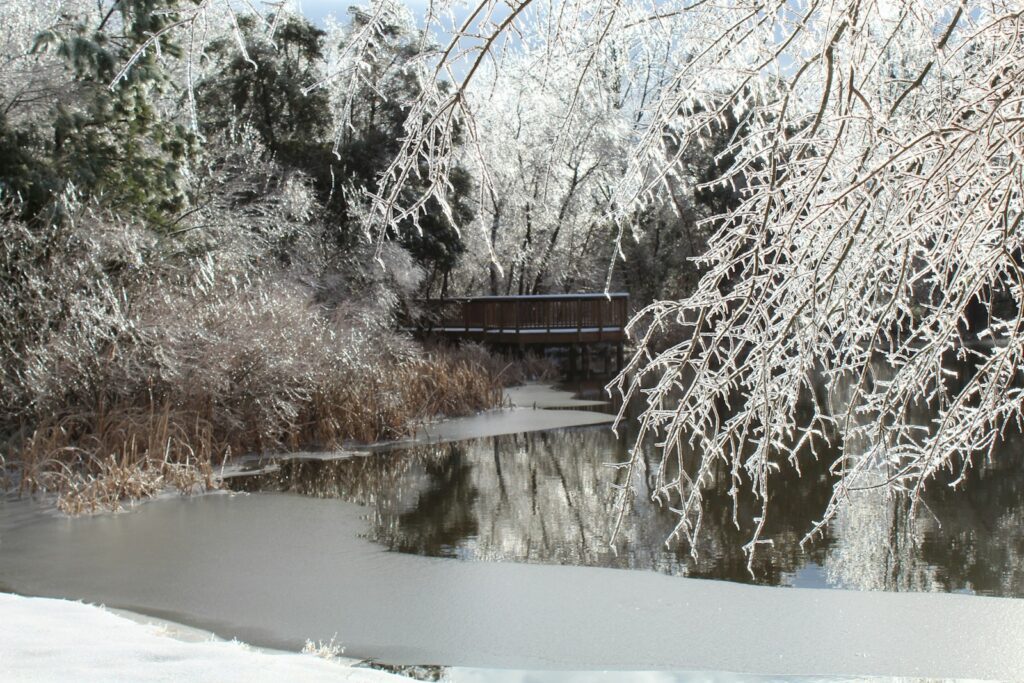
For a region that often treats ice as a rare novelty, the combination of freezing temperatures, icy roads and unfamiliar hazards like frozen ponds has been especially dangerous. Law enforcement in Fannin County has stressed that the pond where the boys died is on private land and that there were no formal signs warning about thin ice, a detail that has fueled conversations about how communities in warmer states should prepare for more frequent extreme cold snaps. Those questions are surfacing alongside images of the pond itself, a small body of water outside Bonham, Texas, that neighbors now see as both a familiar landmark and the site of an unthinkable loss, as shown in photos credited to Julio Cort.
Warnings, rescue realities and what comes next
Local officials have been blunt that no amount of training can fully erase the risks when someone falls through ice, especially in a place without a culture of frozen lake safety. The Fannin County sheriff’s office has said that by the time first responders reached the scene, the boys had been in the water too long, a point echoed in accounts that describe how quickly hypothermia can set in for children in near freezing conditions, as noted in national reporting. Rescue crews had to navigate icy roads and freezing temperatures just to reach the property, another reminder that winter emergencies rarely happen in isolation.
In the aftermath, safety officials are urging families to treat any frozen pond or stock tank in Texas as suspect, no matter how solid it looks. They are also pointing to the way the brothers tried to save one another as a heartbreaking example of why children need clear guidance to stay off ice entirely instead of attempting rescues themselves, a theme that runs through detailed timelines compiled by regional stations. For Cheyenne Hangaman, those warnings come too late, but her decision to speak publicly, alongside voices like Sofia Ferreira Santos who has helped share her story, has turned one family’s nightmare into a wider call for awareness, as reflected in interviews cited by Sofia Ferreira Santos.
More from Decluttering Mom: